Summary of Last Three Weeks
I’m just home from a three week Western America road trip. I spent a week driving out to the coast, a week visiting my brother in Oregon, and a week driving back to Kansas.
On the trip I was up close to Canada and down to within several miles of Mexico. I drove through nearly every weather condition from hot and sunny to cold and snowy to booming thunderstorms to fog to ice.
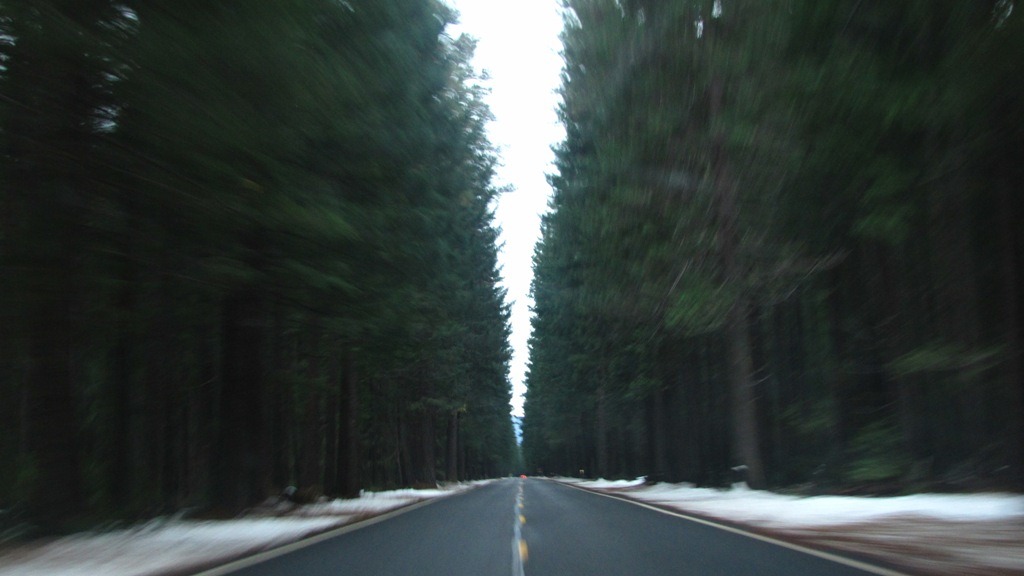
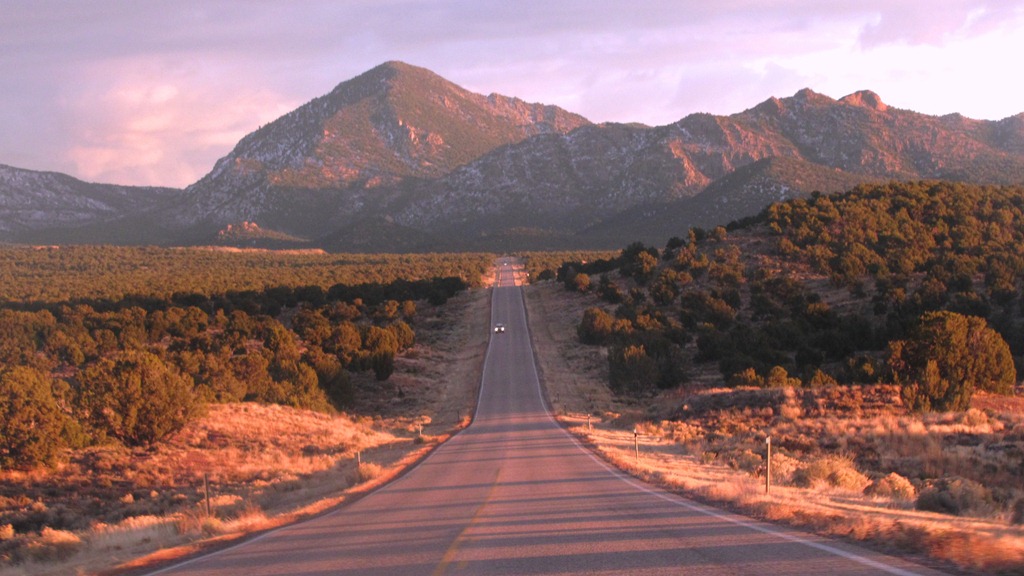
I’ve been over mountains, down through valleys, in giant redwood forests, hugged dirt tracks by the Pacific ocean, and zipped through cactus-lined desert.
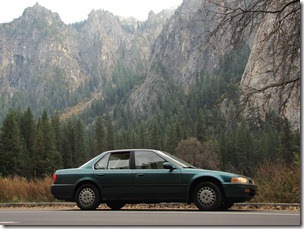
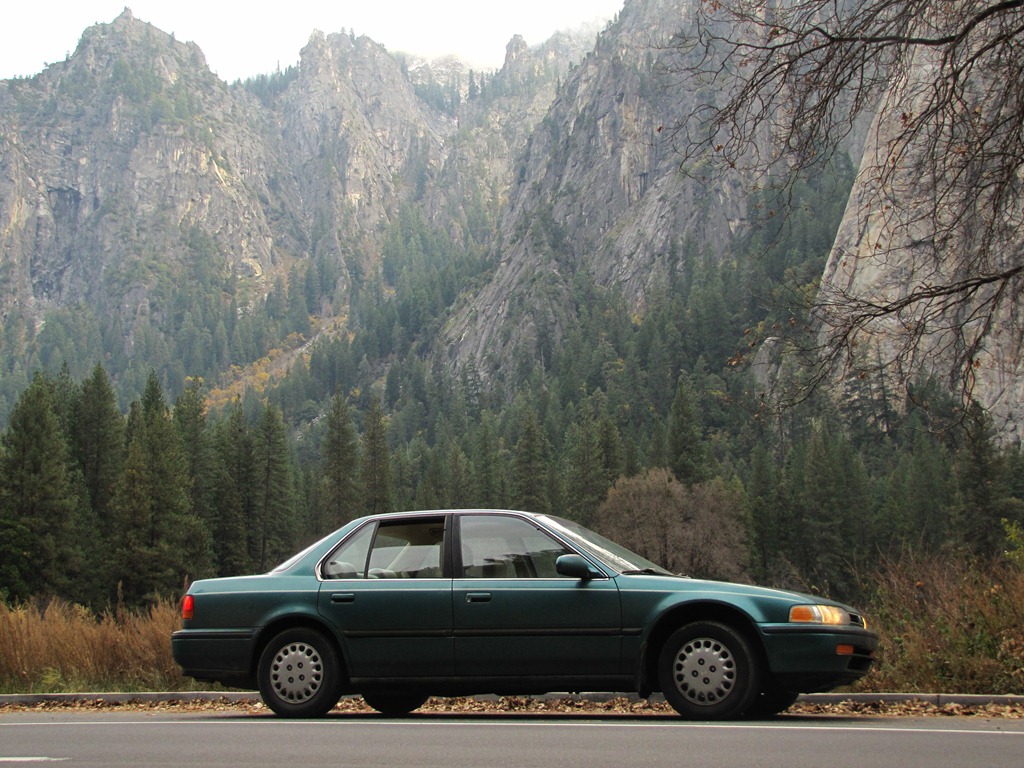
From sea level to a 9,500 foot mountain pass in Wyoming, my trusty Accord has crossed the Rockies, the Sierra-Nevada’s, the Cascades, and on this trip… the 300,00 mile mark!
 Stats
Stats
- Total Trip Length: 6,500+ miles
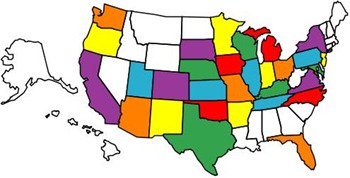
- Number of States Visited: 14
- Average MPG: 33
- Total Time Spent Driving: 125+ hours
- Total Cost of Gasoline: $700
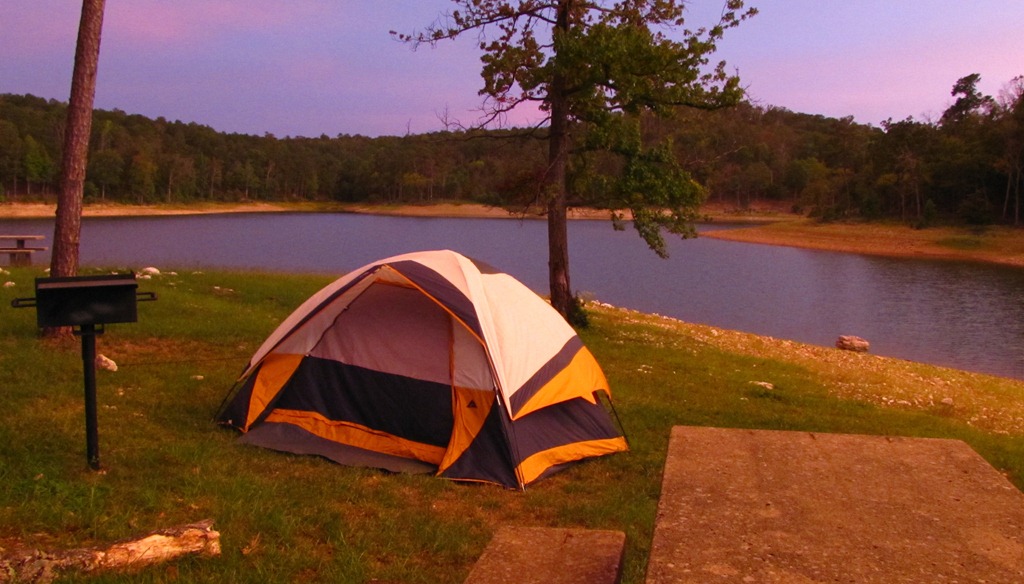
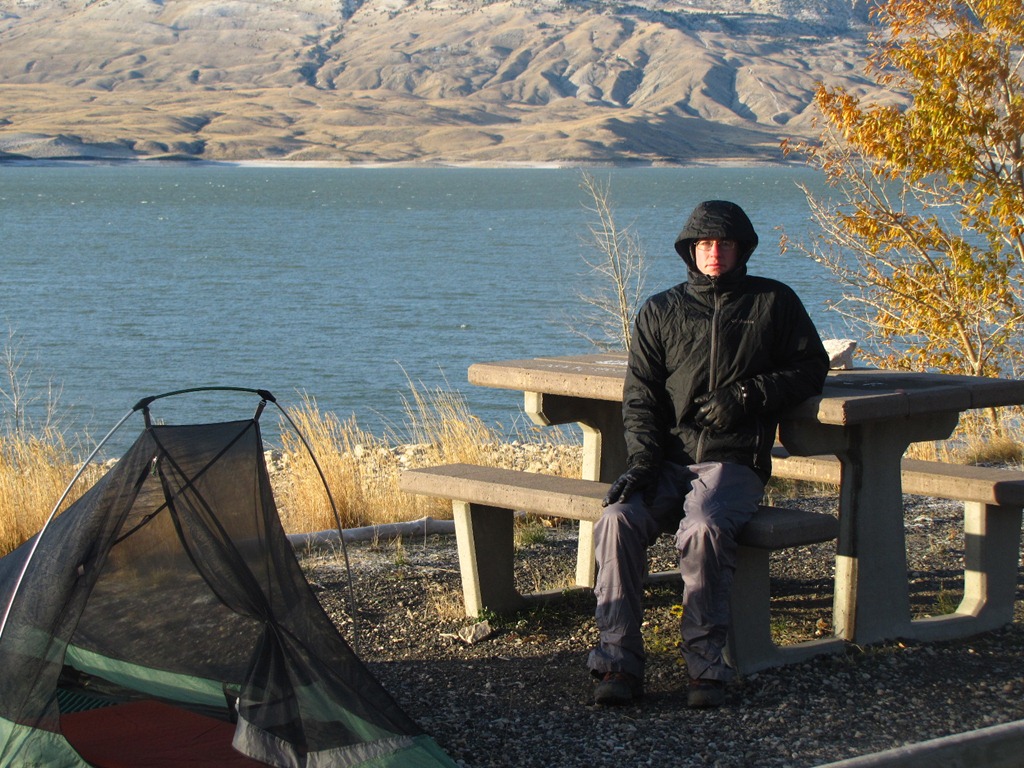
- Total Nights Spent Camping: 8
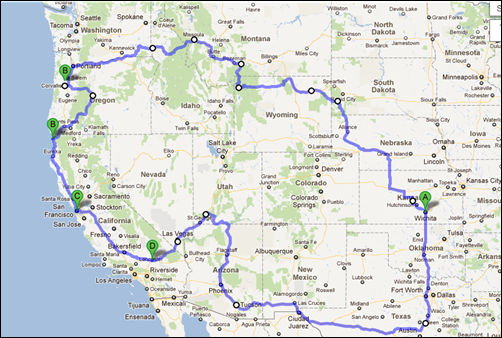
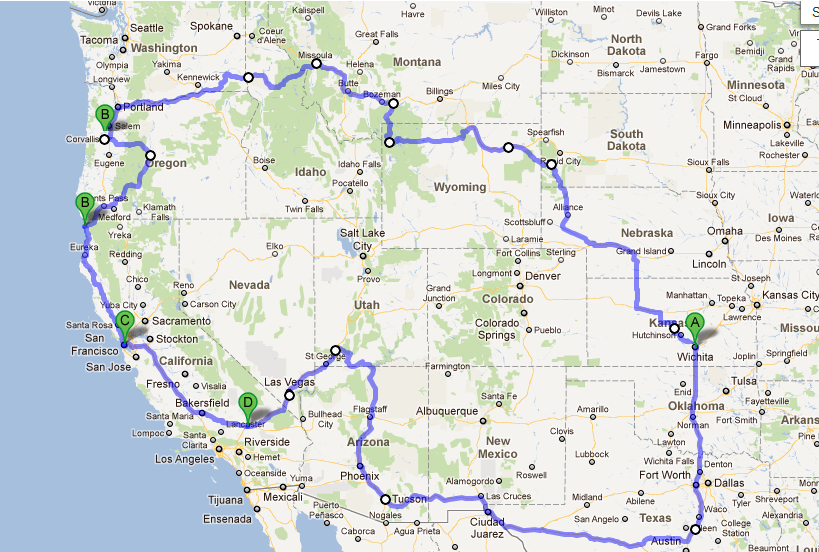
General Route
This map shows the general route I took but it’s missing the paths through the Badlands in South Dakota, Yosemite in California, and extra driving I did in Utah. GoogleMaps kept crashing every time I put in too fine detail.
Theme Song for the Trip
Sorry, not very religous, but fun!
One of the highlights of the last three weeks was watching The Lion King with my little neices, singing along with the songs :-)[audio:http://simplefollower.com/wp-content/uploads/2011/11/Lion_King_Instrumental.mp3]
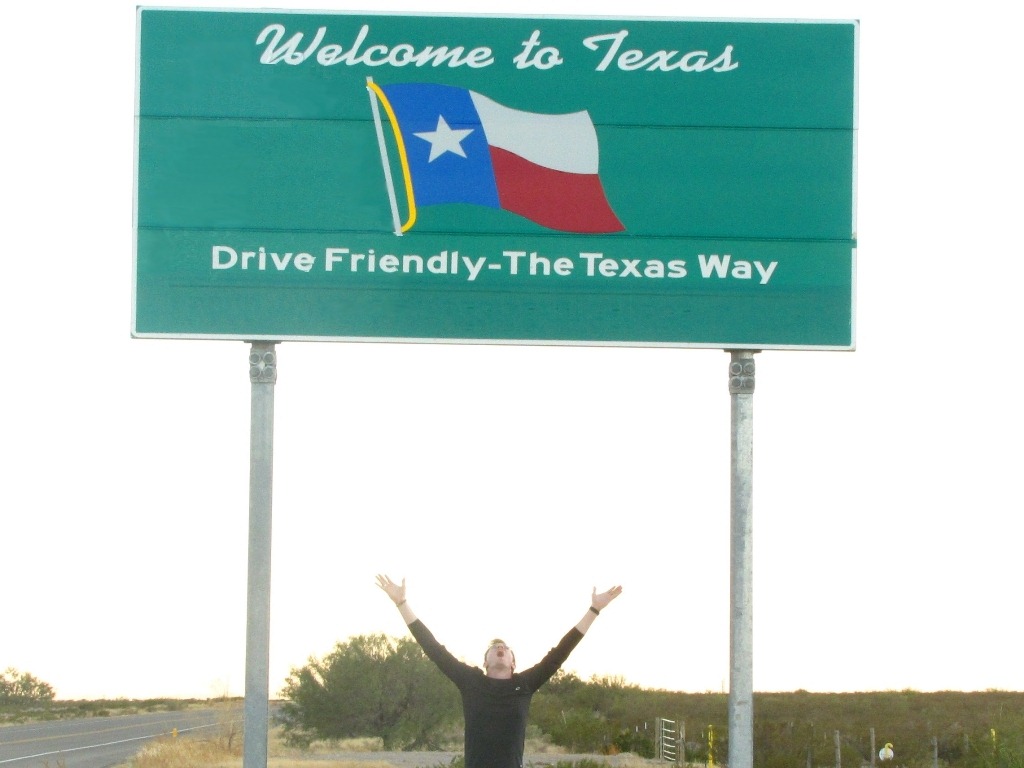
Texas, New Mexico, and Speed Limits
Most recently I’ve been in Texas. In fact, I saw a genuine Texan at McDonald’s: big moustache, worn out jeans, heavy duty cowboy boots, western style vest, and a cowboy hat with (I kid you not) a giant feather sticking out.
There was no horse, so I think he’d just emerged from the cactus-lined sagebrush on foot.
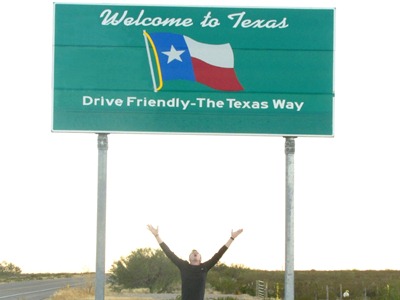
So you can make good time across Texas because their speed limit is 80 mph. They aren’t messing around! That’s the fastest posted I’ve seen in any state so far.
It’s funny about speed limits. Through Phoenix the speed limit was 55mph but not a single person followed it. Everyone was going about 72. No one wanted to go a hair slower or a hair faster, I guessed the idea was police couldn’t pull everyone over.
Then in San Francisco I couldn’t believe how FAST everyone drove. 80+ was the norm. Not sure what the hurry was…?
The most notable thing I saw in New Mexico was this beautiful stucco gas station about an acre in size with some five different stores inside: a country western store, a Native American crafts store, a regular gas station store, a giant fireworks store, and a full-sized Dairy Queen store. One stop shop, that.
While there I bought a Blizzard from the Dairy Queen, marveling to the cashier how this station was surely one of the 7 wonders of New Mexico.
In subdued tones she secretly confessed to me how she’d prefer to be working on the other side of the store since, as she put it, “They don’t work near so hard over there.”
I could imagine fitting customers for cowboy boots at a filling station was slower employment than filling ice-cream ‘n burger orders.
That same cashier had to re-swipe my credit card multiple times because, as she explained, “Our internet here in the boonies hardly works.”
Didja See any Wildlife?
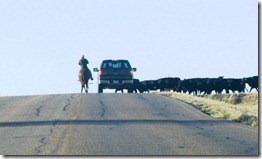
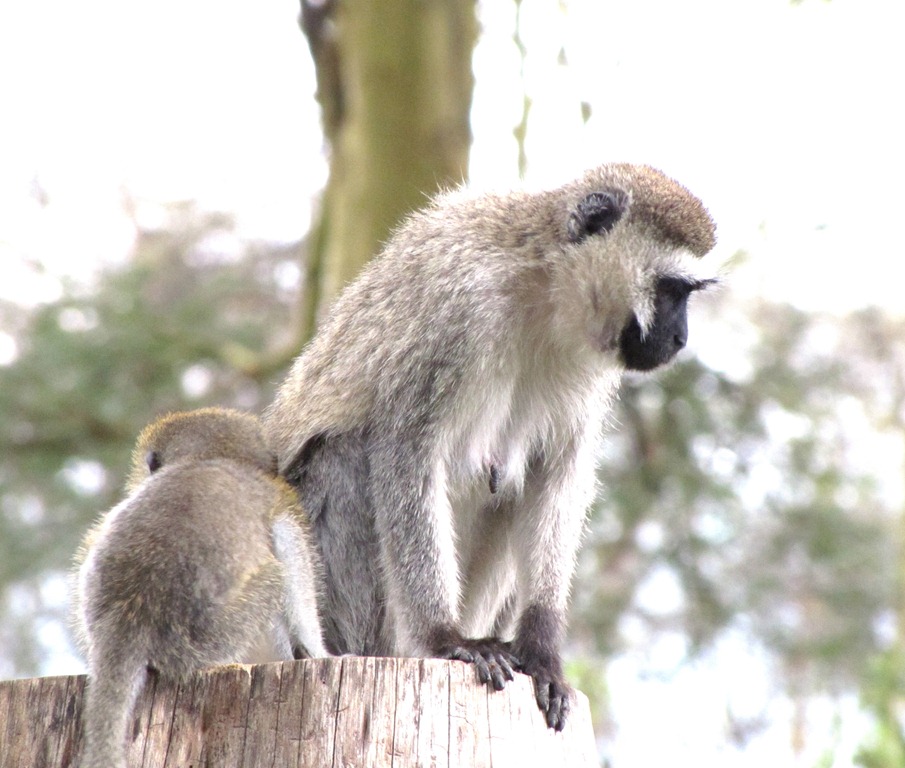
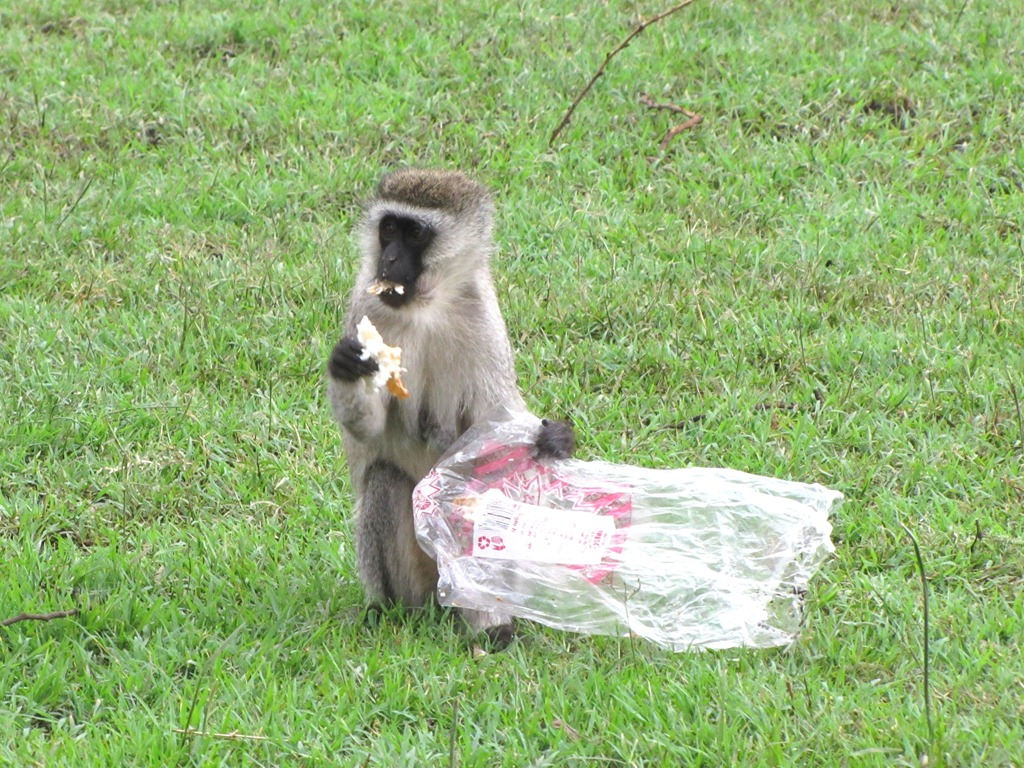
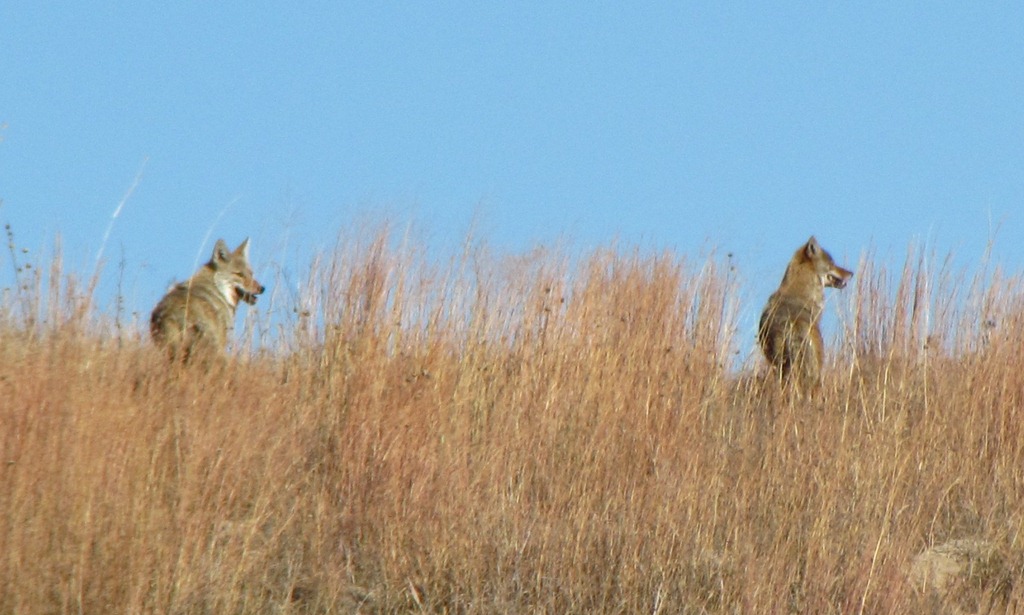
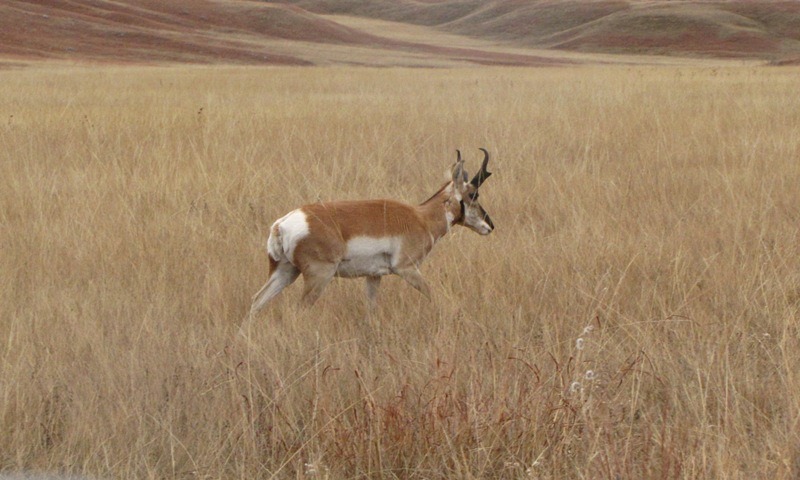
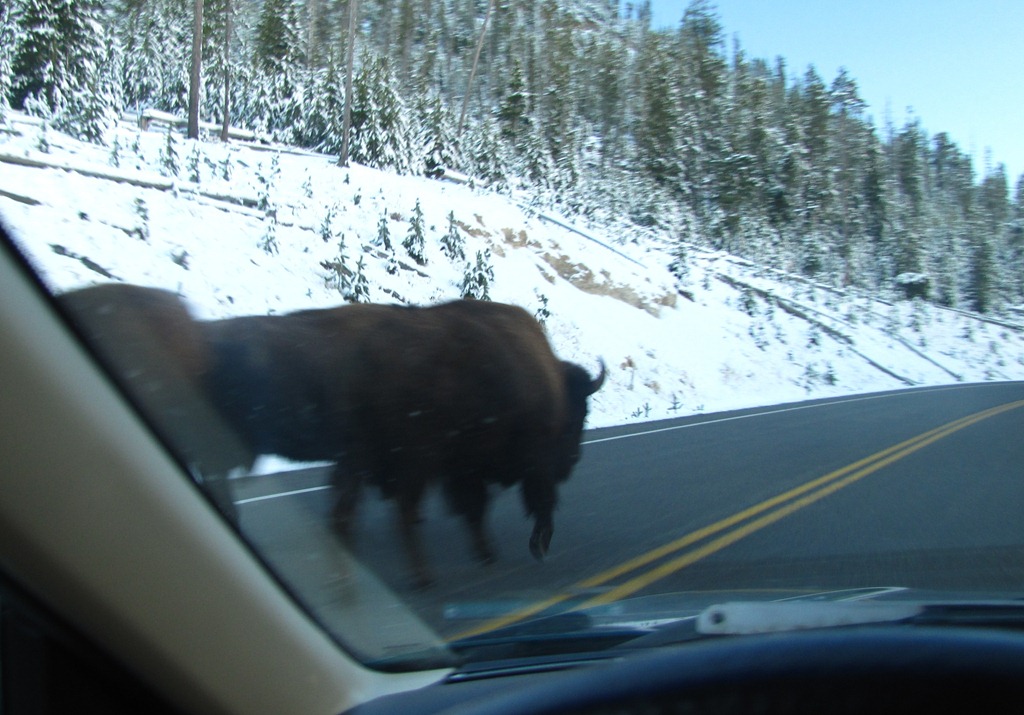
I saw some: Cattle, Deer, Coyotes, Antelope, Elk, Bison, Banana Slugs, a Jack-Rabbit, and some Hitch-Hikers.
Police Run-in Stories
 I was pulled over by law enforcement twice this trip.
The first was at the very beginning while still in Wichita!
It was about 4am and I was stopped because my brights were on.
“Why are you driving with your brights on?” he asked.
Still groggy, I responded, “I don’t know.”
The more thoughtful answer would have been, “Because it’s dark out and I’m the only one on the road except for you and you were parked back in those creepy shadows with your lights off.”
He continued the questioning, “Where are you headed.”
Looking up to him bleary-eyed, I answered, “Oregon, but I just left my apartment a few minutes ago… and it’s crazy I’m already pulled over, just my luck.”
His eyebrows went up, but he waved me on with only a warning.
He added, “Watch out for deer.”
Indeed, a number of deer did jump out in front of me on this trip. But I didn’t hit any of them.
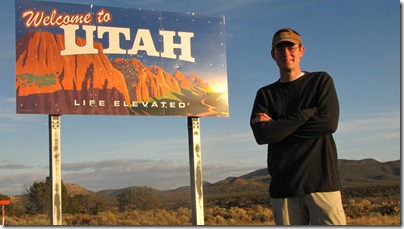
So the next time I was pulled over by a policeman was some 4,000 miles later in Utah at a speed trap.
“You were going 66 in a 50 mph zone back there, Boss,” he said.
I blinked twice. Why did he call me boss?
“What, how’s that? I thought the speed limit was 65?”
“Well, it was, but it just switched down to 50.”
Oh.
Fortunately, after running my tags and detaining me for a coons age he came back and reported, “Well Boss, I’m giving you a huge break tonight and letting you off with just a warning.”
I heaved a sigh of relief, “Thanks for that, and believe me I’ll really be watching my speed from now on.”
He looked up from his paperwork in surprise and waved his hand absently, “Don’t worry about that, the speed limit goes back up to 65 just ahead.”
Oh.
I guess there was one other somewhat humorous incident I had with the law, this time in California.
I had parked at a bank to pick up some cash (the honest way of course, I wasn’t robbing the bank). Later I discovered a police SUV had parked right behind me such that I couldn’t back out of my parking stall. Believe me, I tried.
After muchos efforts to squeeze out I finally gave up in frustration.
Exiting my vehicle I noticed there were now several more police cars, and a knot of officers milling about. It didn’t look to me like they were doing anything too exciting, mainly filling out forms and such so I went over and asked one of them if they could please move their squad car so I could continue my Western Adventure.
So that didn’t go over very well. Not the most friendly chap, that one.
I went back and examined the situation. Maybe a 30 point turn would do the trick to squeeze out? Back and forth, back and forth, back and forth.
Finally, with much perseverance I grazed out with inches to spare. Like Seth always says, “An inch is as good as a mile.” I wondered what the policeman would have thought if I’d accidentaly taken his rear bumper off? Glad I didn’t have to find out.
Arizona and Navajo Indians
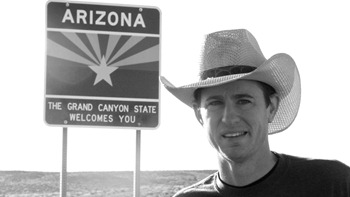
Driving through a remote section of the Navajo Indian Reservation in Arizona I was surprised to catch only three radio stations. One of them was an Indian talk show. Folks like Sitting Rock and Sunshine called in.
They were discussing the plight of native cultures. One man lamented the fact many Indians couldn’t speak their native tongue: “Everywhere else people speak their native language, in Europe they speak their mother tongue, and in Australia they speak their native language, but here we are losing our spoken heritage.” Australia?
Another fellow had this to say, “I just can’t hardly watch any TV anymore. I can’t watch it because nearly all the shows depict Indians in such bad light – as savage, ignorant, and always the bad guys.”
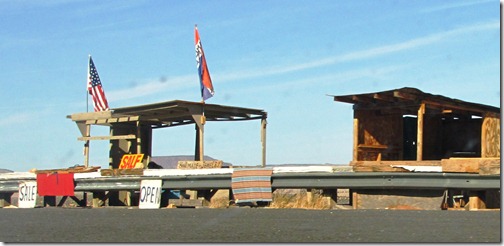
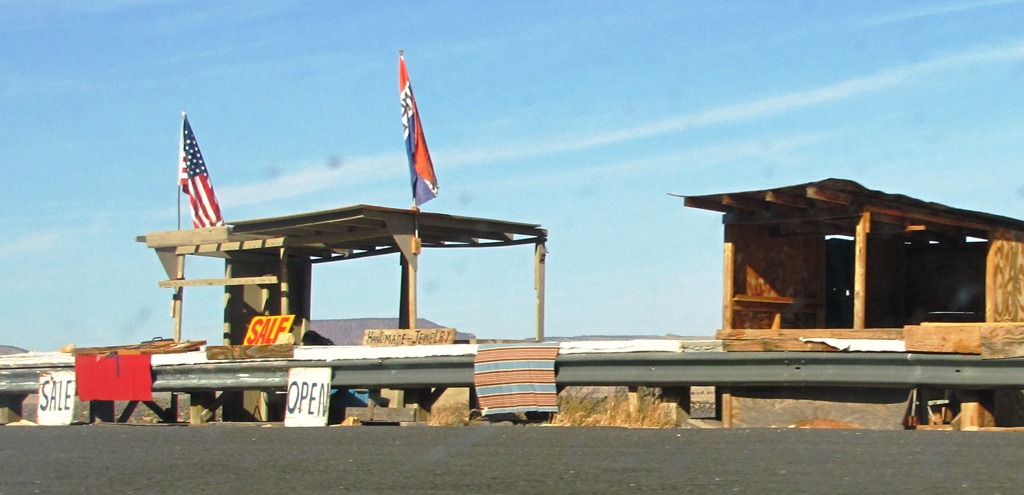
It was interesting hearing them air their grievances. I felt bad for their plight. Honestly wished their situation was better than selling souvenirs in booths along the highway (which I saw a lot of). They got a bum deal a couple hundred years ago.
Talk radio aside, I did buy a turquoise bead bracelet from a local Navajo woman who was quite friendly, helpful and pleasant. I asked her if she could speak much Navajo and she said no.
Progressive California
California does many things weird. For instance, they stop you at the border as if you were crossing into another country instead of another state.
They asked me such probing questions as, “Are you transporting any fruit or vegetables?”
I thought about this for a bit, then pointed to the sandwich I was eating and said, “Well, this has tomatoes in it.”
She thought about that, then responded, “That should be ok, do you have any other fruit or vegetables?”
I thought some more, then added, “There are two more sandwiches in the trunk of my car, and they have tomatoes on them too…?”
She waved me through.
California does other weird things. At the gas stations all the nozzles have a special anti-vapor rubber boot which seals up against your car. Not sure what that does exactly. Maybe so you can still smoke while filling and not blow up your car?
But that’s better than Oregon where you’re not even allowed to pump your own gasoline. Not to mention once an Oregonian Filling Attendant gave me incorrect directions to Subway.
California is big on recycling. I could hardly find a trash can for all my leaking lead acid batteries and spare cell phones.

The worse thing about California is their McDonald’s aren’t partaking in the Free Coffee Promotional deal.
So I walked into a McDonalds in California and told them I wanted some free coffee. The lady looked at me strange and was like, “What are you talking about?”
“Yeah, you know, the deal where you give everyone free coffee until November 21st?”
She looked even more perplexed, then went back and got her manager. He came out with an icy step and said coldly, “We’re not participating in that nationwide promotional deal, sorry.”
Was it that same McDonald’s with the bathroom sign that read, “Only paying patrons can use this bathroom”?
Though sometimes I did feel a little bad stopping at McDonald’s and just using their free wi-fi, free bathrooms, and free coffee.
Speaking of signs, I’ve seen some unusual ones……
Signs Signs Signs
Out on the coast you see Evacuation signs everywhere. I mean Tsunami Evacuation signs. According to my brother who lives out on the West Coast they don’t have any sirens though. So the locals know where to evacuate to, but not when a Tsunami is going to hit.
The Tsunami Sign shows a picture of a man fleeing with a blue wave curling behind him. Violent, that.
I ate at a restaurant called The Big Wave. While there, my sister-in-law ordered a Tsunami Burger. It lived up to its name, literally the largest I’ve seen, bar none.
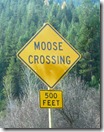
But back to signs, I’ve seen tons of different wildlife crossing signs. In Kansas I’m used to seeing Deer Crossing signs, but on this trip I’ve seen many more. Such as:
- Cattle Crossing
- Elk Crossing
- Buffalo Crossing
- Mountain Lion Crossing
- and Moose Crossing
I really wanted to see a moose so slowed down after that one in Idaho and kept my eyes peeled in the forest. Alas, all to no avail. No moose.
After the Mountain Lion sign (my niece calls these “pantlers”) I saw some road kill of a small animal. I was just sure someone had hit a baby mountain lion while their attention was distracted by the sign… but after checking… no, unfortunately it was just a rabbit.
There have been variations on the Deer Crossing sign too. One read, “Major Deer Crossing.” Wow. But my favorite was, “Deer migration crossing.” Hey, I didn’t know deer migrated!
Ironically, of the deer that jumped in front of my car or were standing by the side of the road I don’t believe any of them were at a designated crossing location. Just goes to prove deer can’t read signs which is what I‘ve always suspected.
Where in America Is Most Beautiful?
Each place has a beauty of it’s own and it would be hard (for me) to say which part was prettiest of the country I saw.
There were some gems, including the following:
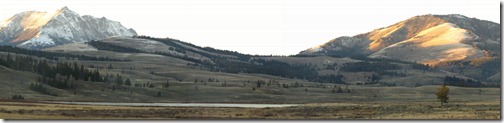
Yellowstone National Park:
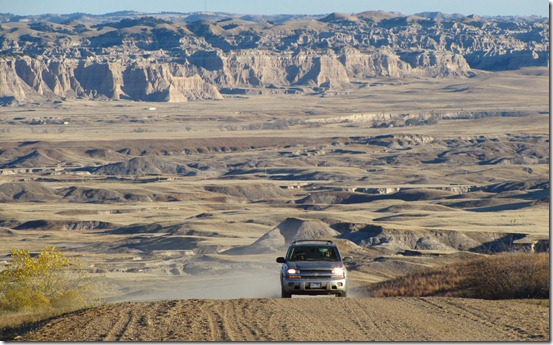
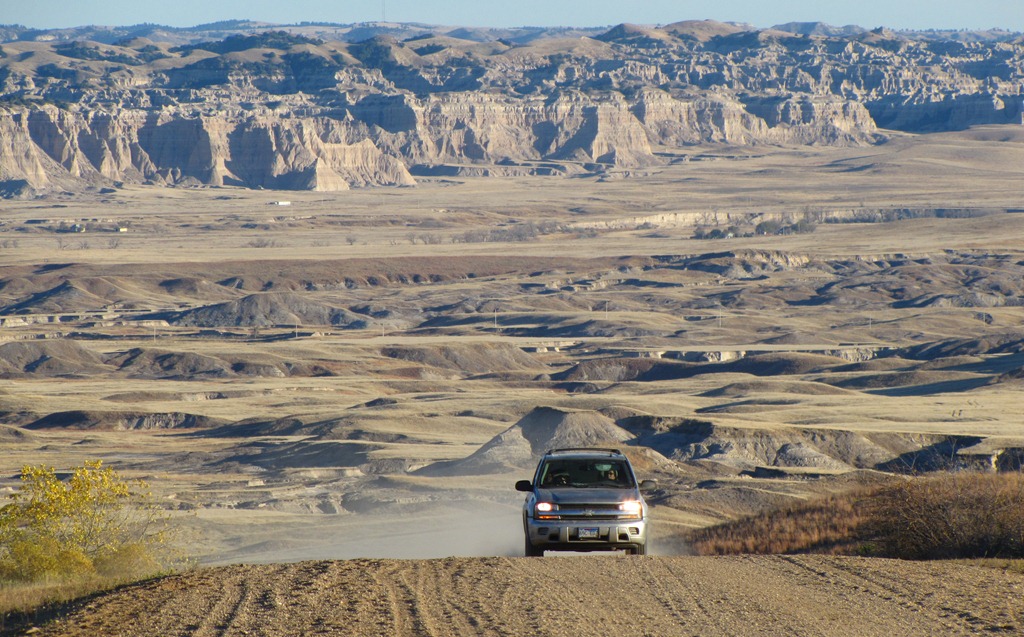
Badlands of South Dakota:
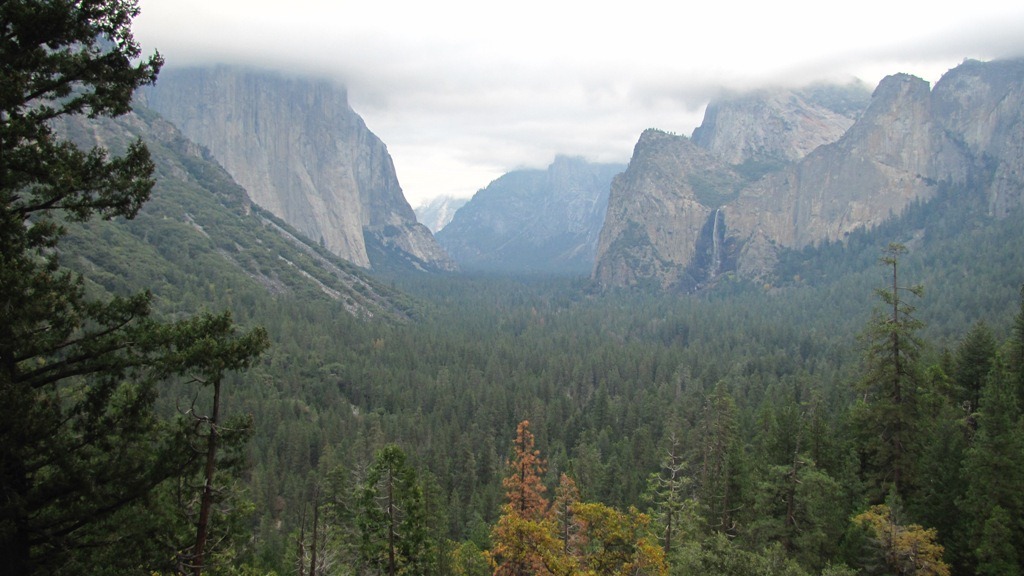
Yosemite National Park:
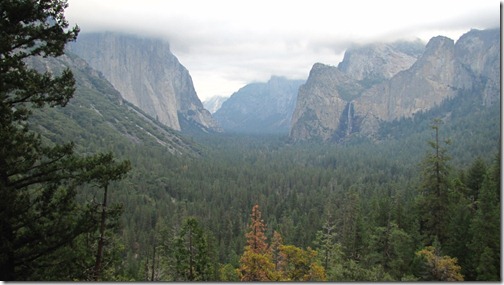
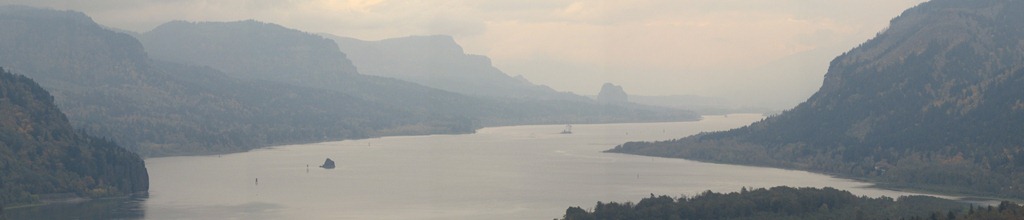
Columbian River Gorge:
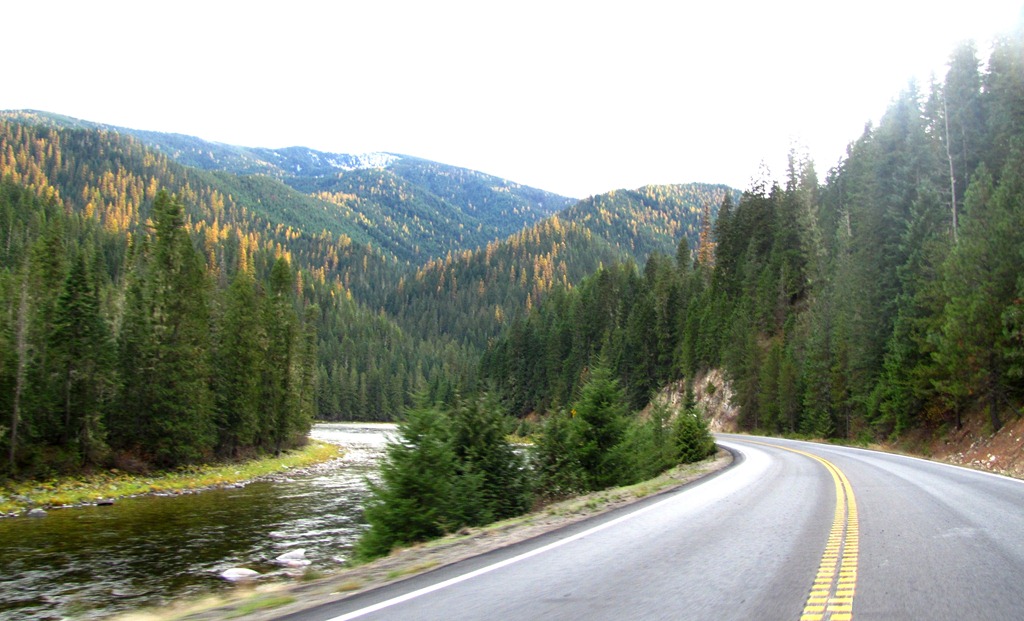
The Boonies of Idaho (East of Lewiston):
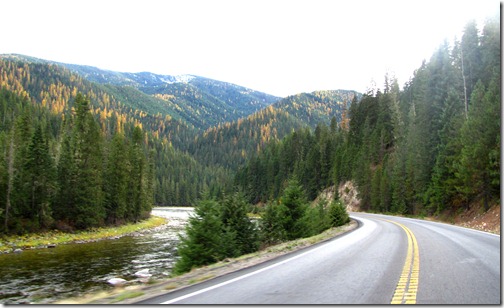
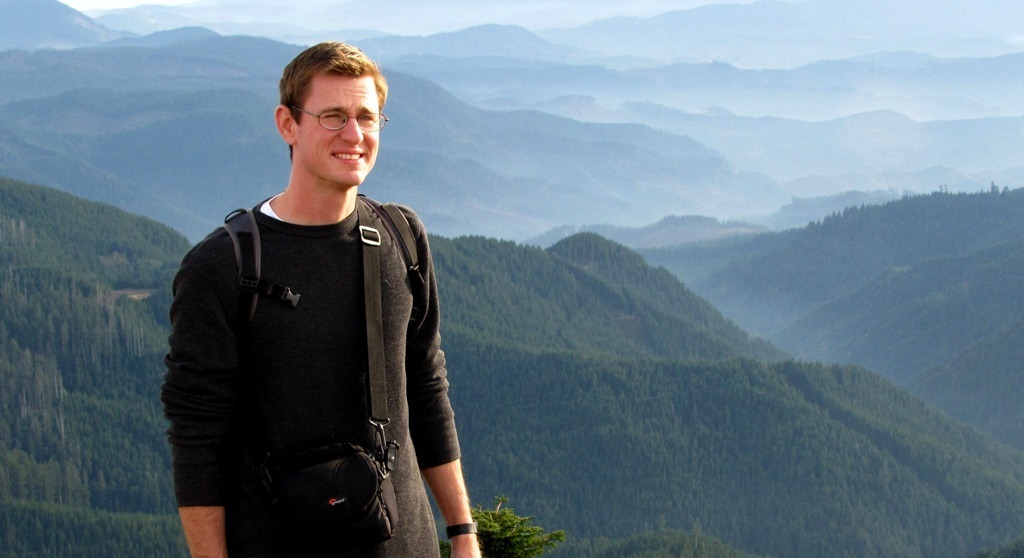
Cascade Mountain Range (Marys Peak):
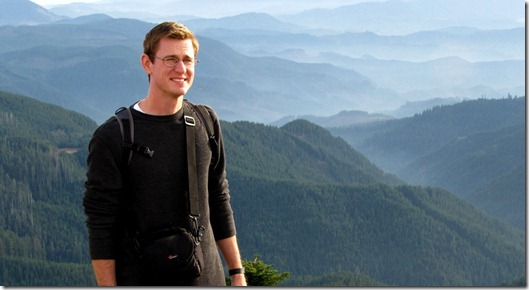
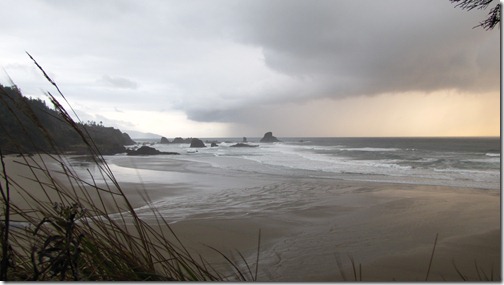
Pacific Coast (Indian Beach):
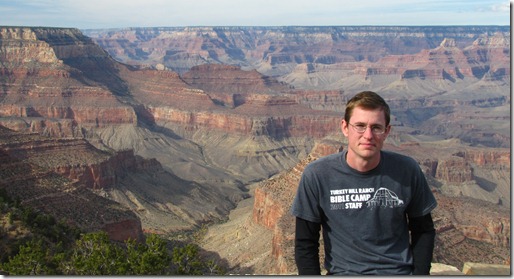
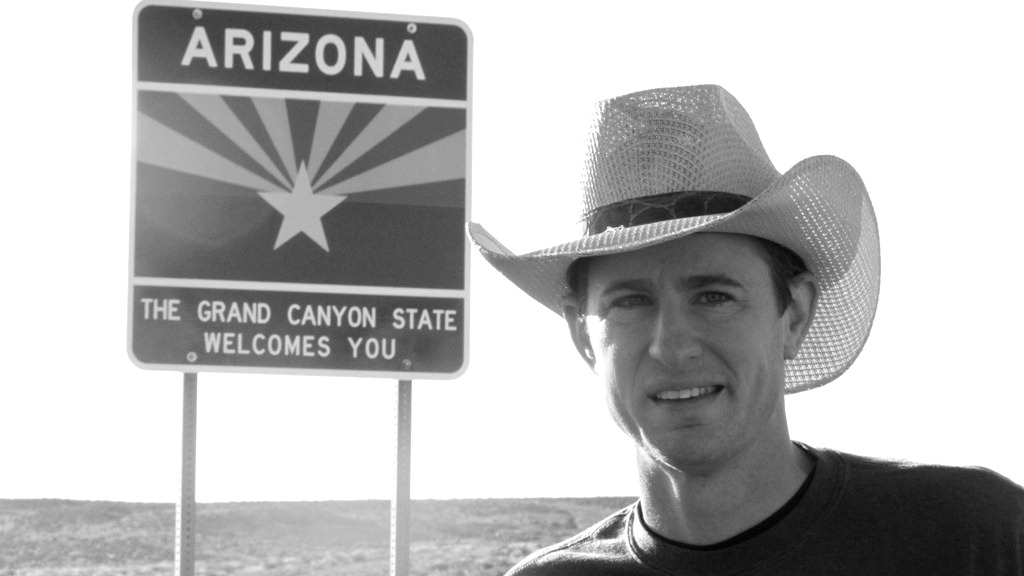
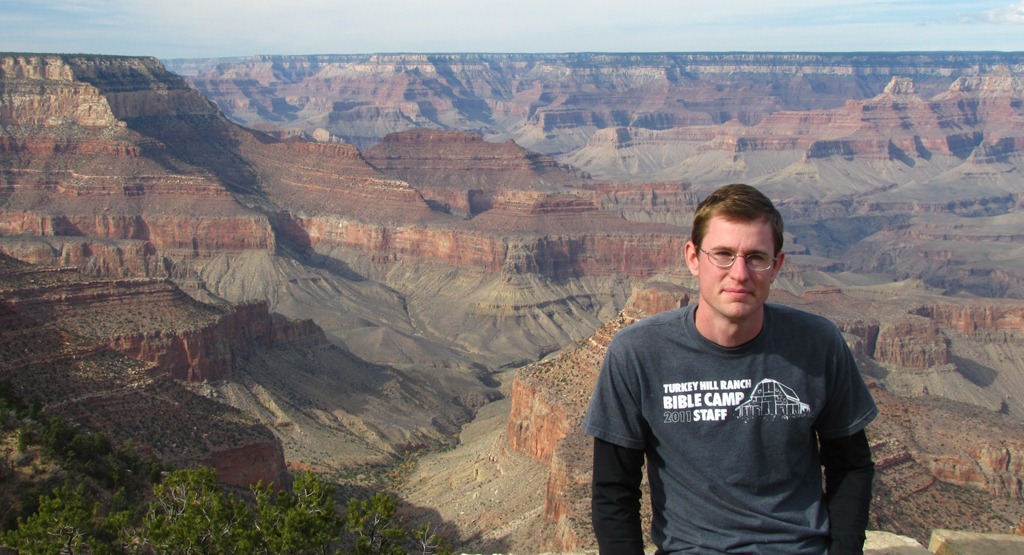
Grand Canyon in Arizona (Grandview Overlook):
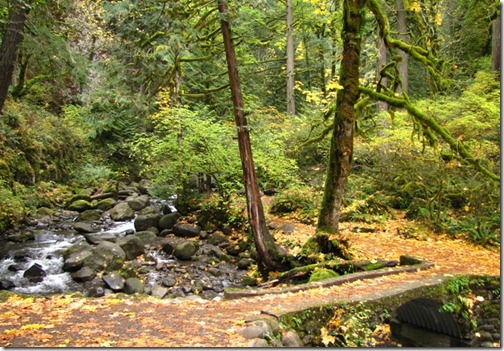
Colors of the Pacific Northwest (At the Top of Multnomah Falls):
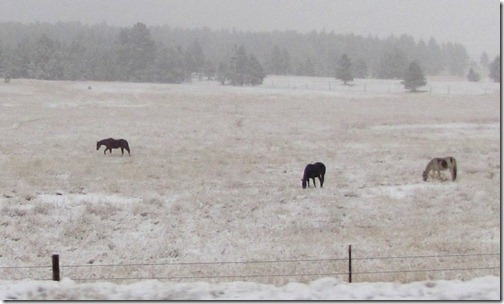
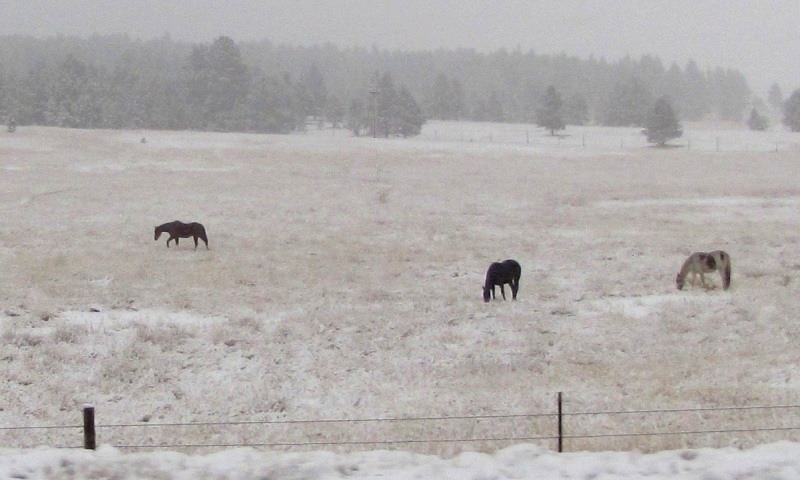
Wintery Wyoming:
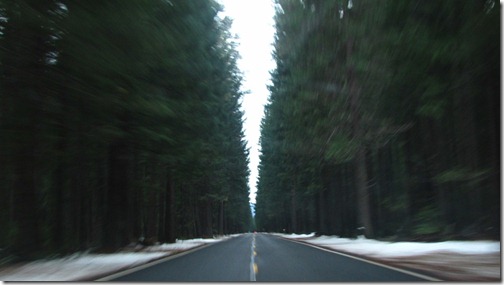
Redwood Forests of California:
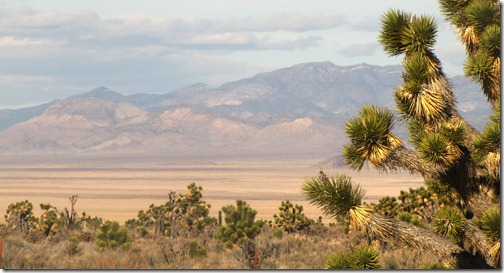
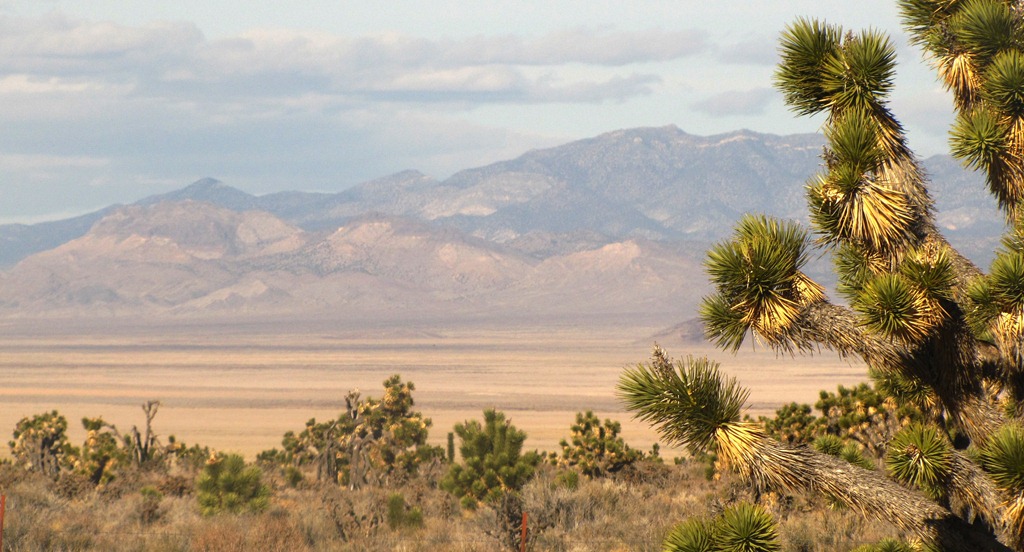
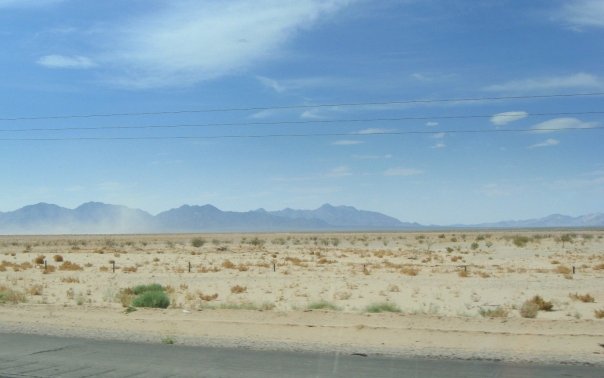
The Mojave Desert:
But The Winner Is…
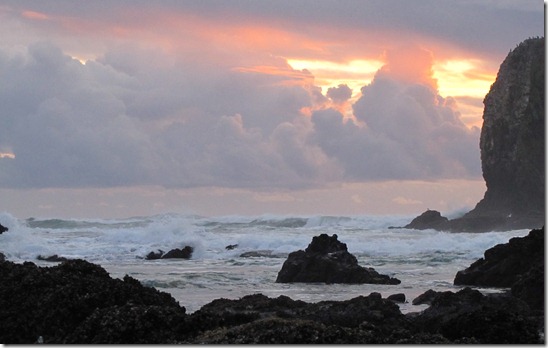
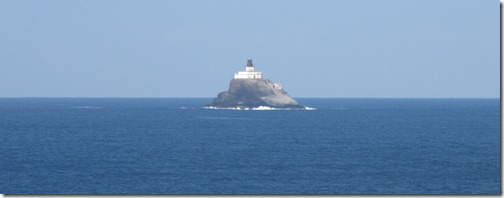
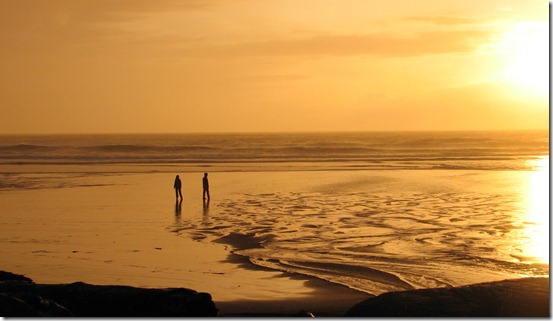
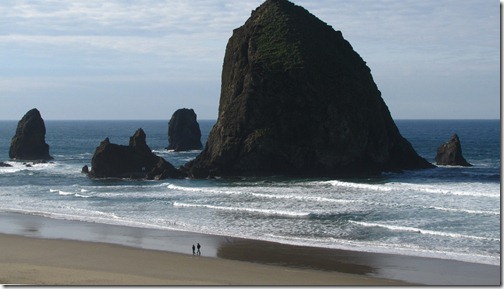
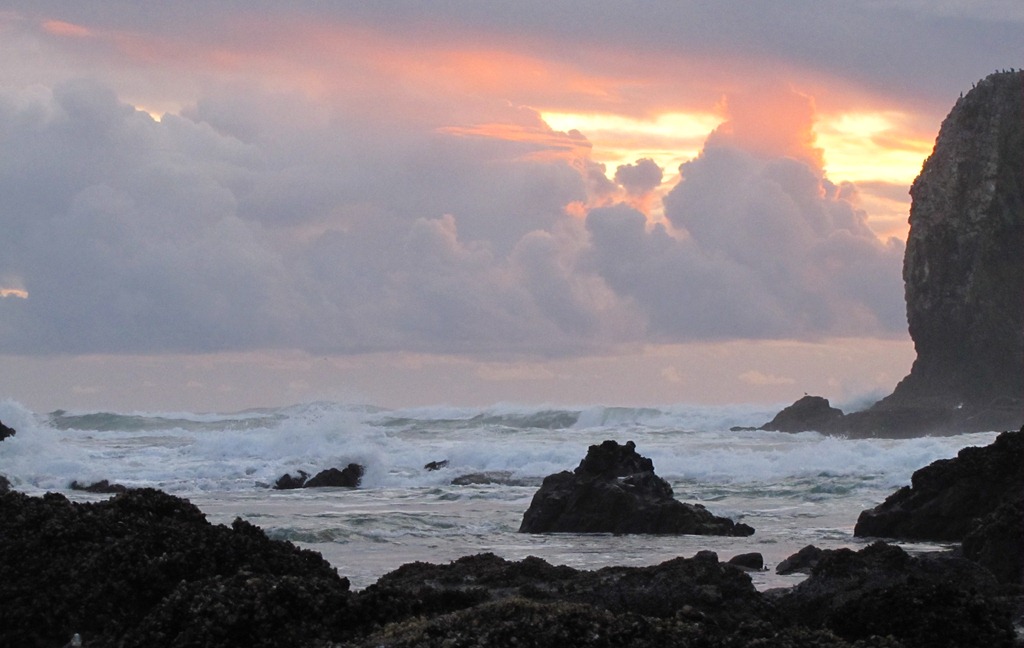
In the final analysis, I don’t think anything can beat the ocean in terms of sheer beauty.
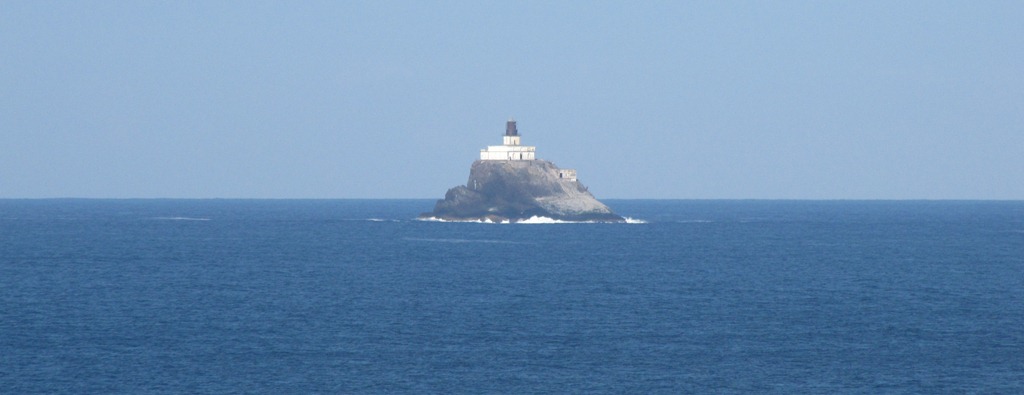
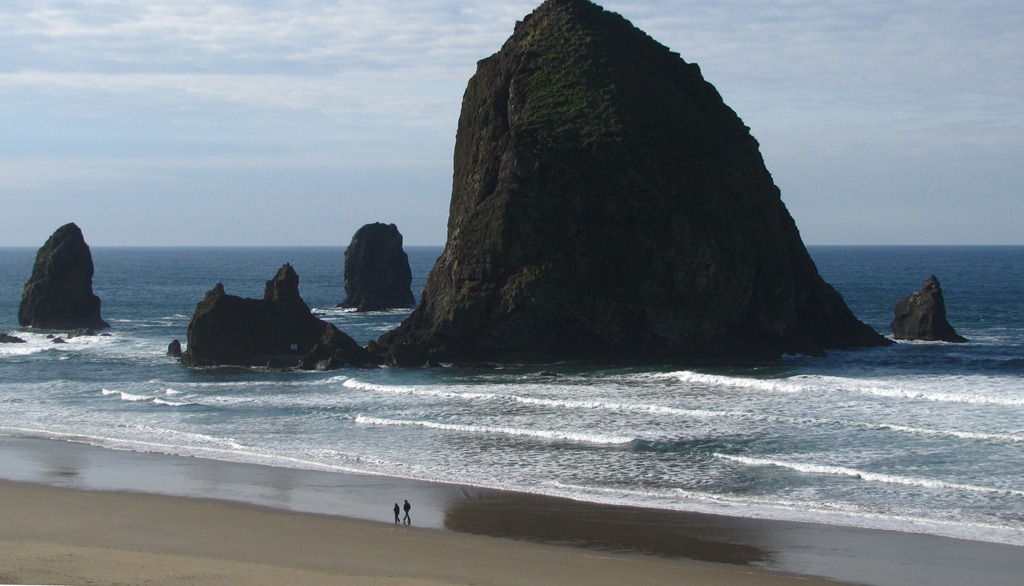
The rocky coasts, beaches, and panoramas of northern California and Oregon were stunning:
After the ocean, I guess Kansas comes in a close second. Though the Grand Canyon was cool too.
I wanted to go on a helicopter ride at the Grand Canyon but they were like $200-$500 dollars so I opted for the Imax instead. Even that was a little expensive: $12.50 plus 9% Arizona sales tax.
But they gave me a free Oats ‘N Honey granola bar with the show so it was all good.
Where in America Felt Most Remote?
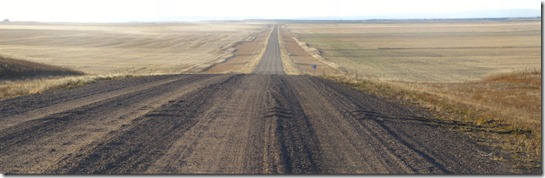
The loneliest stretch of country I went through was, surprisingly, the hills of Northwest Nebraska. Who’d have thunk?
At one point I remember travelling about an hour there without seeing a single tree or car!
It was eerie and I hoped for no car trouble.
What Have I Learned?
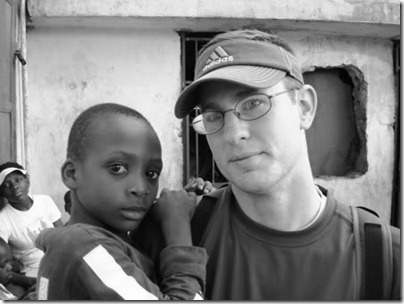
One observation I made is that, compared to Haiti, America is pretty much like Heaven. And I’ve travelled across both Haiti and America.
But I wonder, when we get to Heaven will we look back and say America was pretty dumpy in comparison? Probably.
Has this trip had any special spiritual significance? I’m not sure yet. But probably.
After spending so much time driving you’d think there would have been plenty of time to think. But truthfully, most the time I was too busy negotiating windy back roads, taking in the scenery, juggling between my handheld GPS, shifting gears, and poring over my jumbo-sized Rand McNally’s road atlas.
Not to mention all the picture taking from the windows, eating snacks, listening to local radio stations, and recording gas mileage stats.
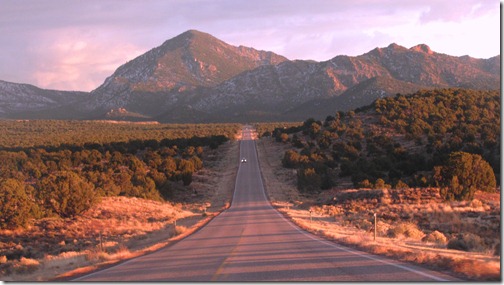
I’ve decided someone has to be a little crazy (and young at heart?) to attempt a solo road trip like this. It was daunting at times… I never knew where the next night would be spent, and sometimes navigation was tricky as I stayed on two-lane back roads to experience more remote America.
Thankfully my brother Luke doubled as my personal 411 roadside navigation assistant (when my cell phone had signal). Thanks Luke!
Here are at least 10 things I learned:
-
It’s a good idea to carry tire chains when crossing the mountains in winter
-
Driving 15 hours in one day is possible
-
McDonald’s has pretty good coffee for $1
-
America is a big place
-
Brothers are nice (I visited 2 of mine on this trip)
-
Brethren Californian’s are nice too (they put me up free one night)
-
Honda Accord’s are workhorses (I’ve decided to name mine, “Old Faithful”)
-
Mount Rushmore is probably the most touristy location in America
-
It took Lewis & Clark two years to travel as far as I did in five days
-
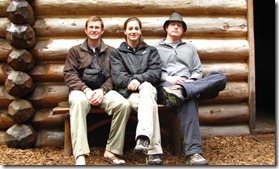
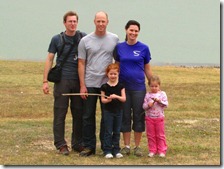
As interesting as scenery is, relationships are more so. The best parts of my trip were time spent with family.
Keeping a Childlike Wonder
I like the following quote by General MacArthur:
“Whether 70 or 16, there is, in every being’s heart the love of
wonder, the sweet amazement of the stars, and the star-like
things and thoughts, the undaunted challenge of events,
the unfailing childlike appetite for ‘What Next?’
You are as young as your faith, as old as your doubt,
as young as your self-confidence, as old as your fear,
as young as your hope, as old as your despair.”
~General Douglas MacArthur
One late night around 1 AM I pulled into this place called Afton Canyon in Southeast California. I was tired, and it was chilly. But when I stepped from my car into this dry desert I was greeted with one of the clearest nights I’ve ever seen.
The stars were brilliant like a fairytale, so I stayed up another hour watching them and enjoying the solitude. I’m glad there is still a little wonder in me yet, a little “sweet amazement at the stars…”



 by George W. Bush. The discussion over 9/11 revolved around how that event forced our nation to craft new decisions regarding our attitude towards terrorists. Antagonists have a way of forcing the issues.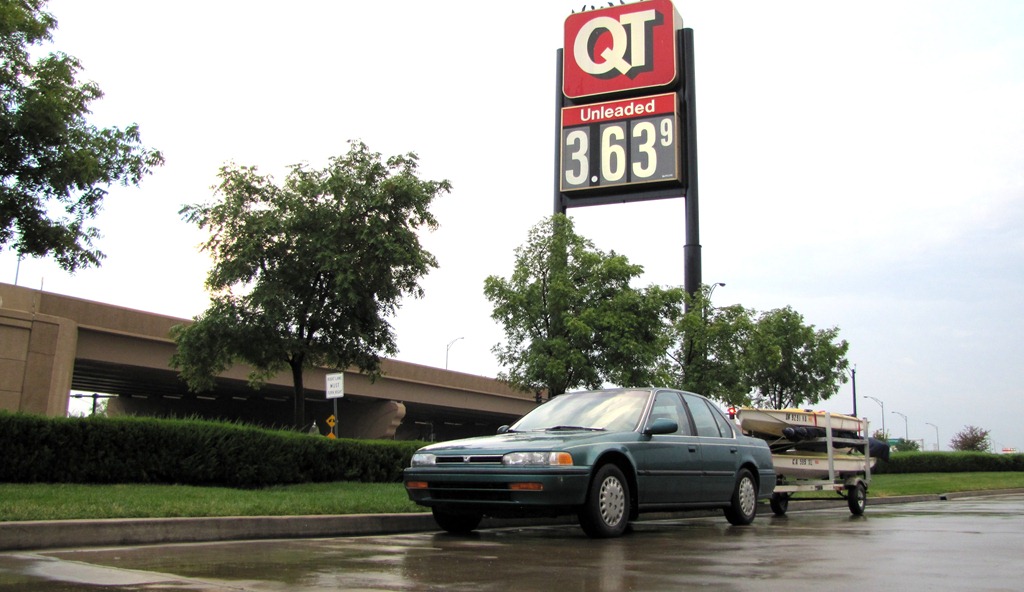



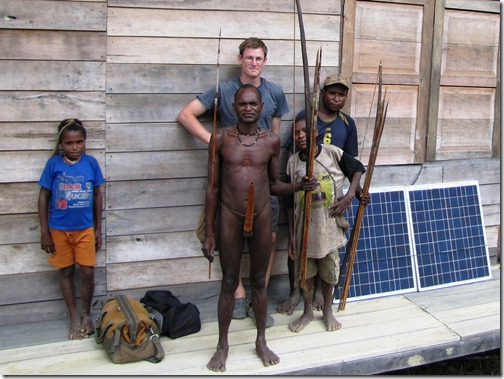
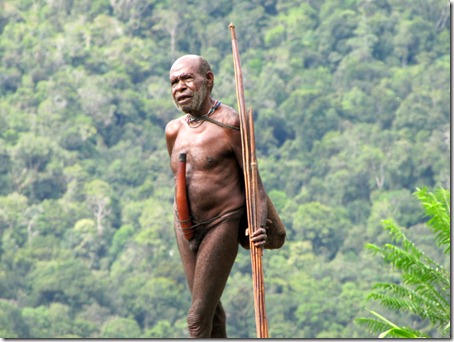
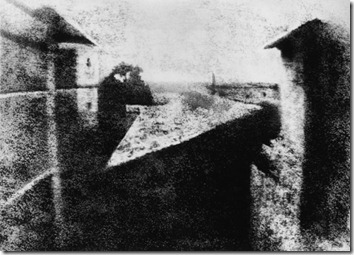
 and found it quite enlightening. The basic premise the author attempts to prove is the differences in the rise of technology on different continents being due more to geographic and environmental variables than inherit differences between the people groups themselves. In other words, people living primitively are not doing so because they’re less smart, but because their native environment won’t support a higher civilization. The book paid particular attention to the natural animals and food crops each continent had.
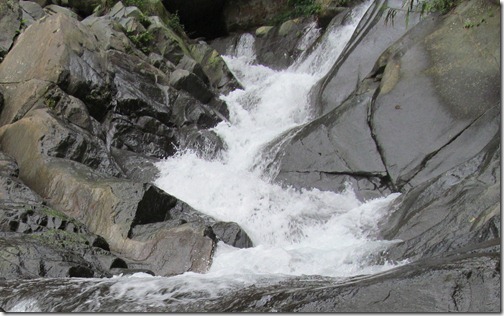
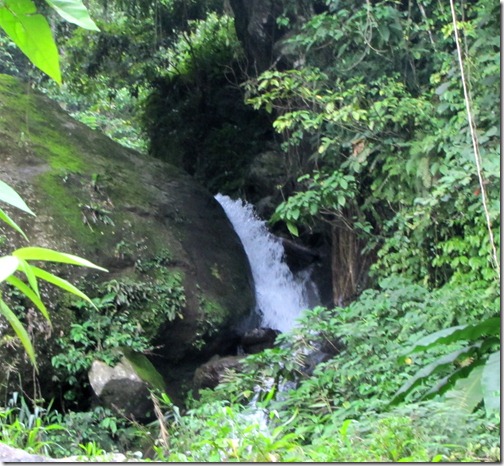
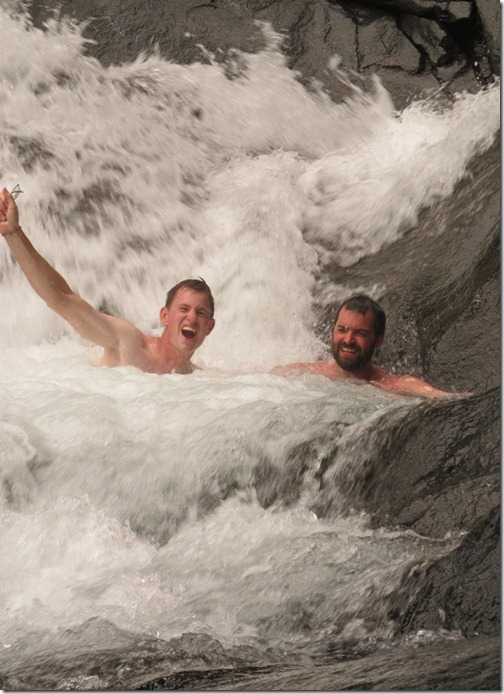
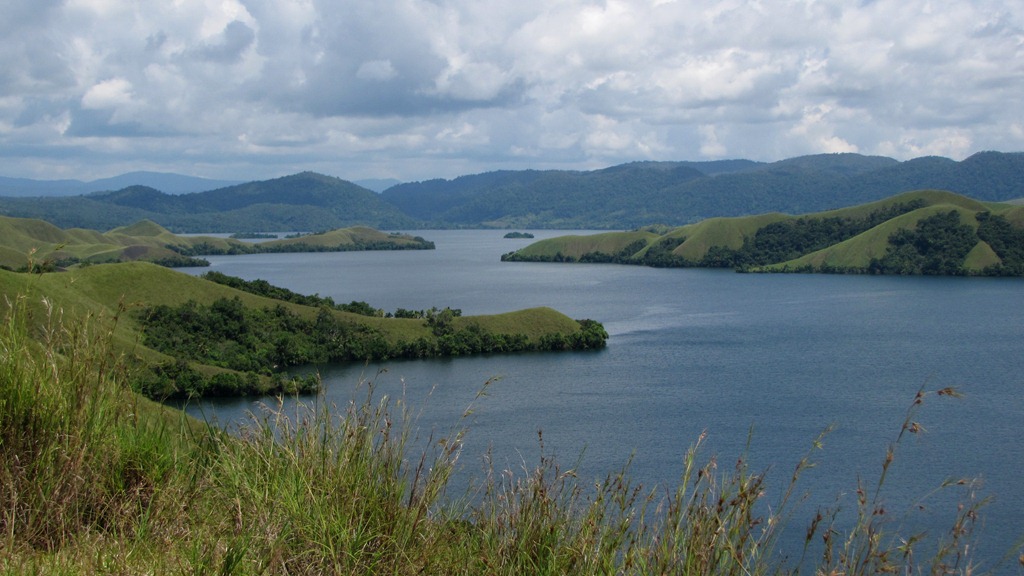
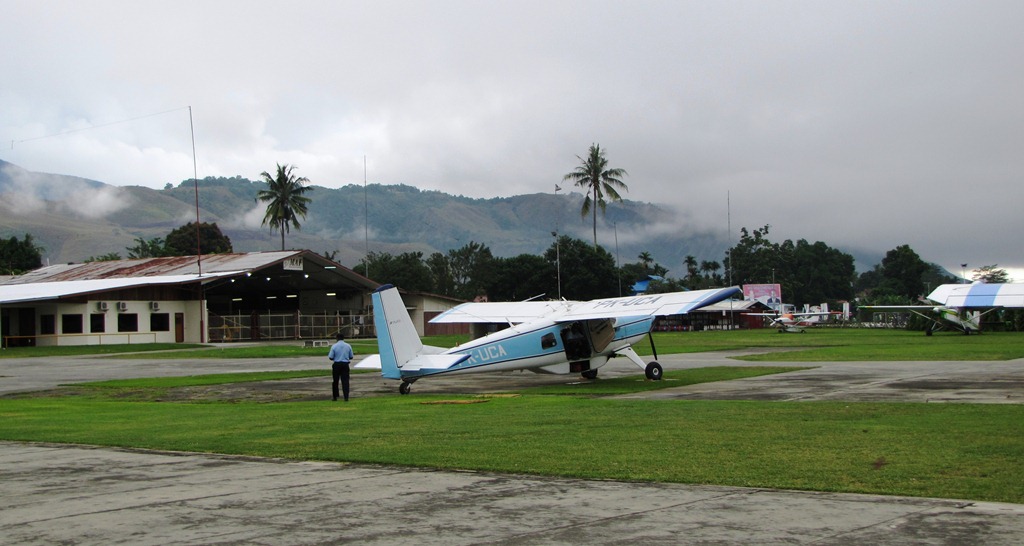


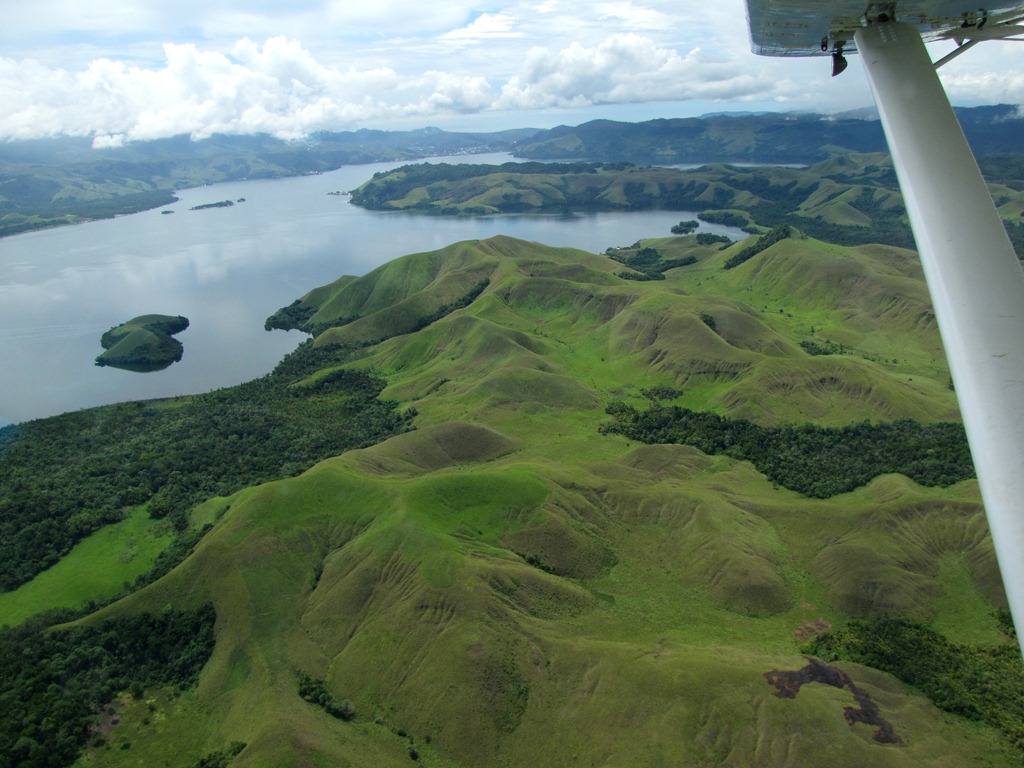


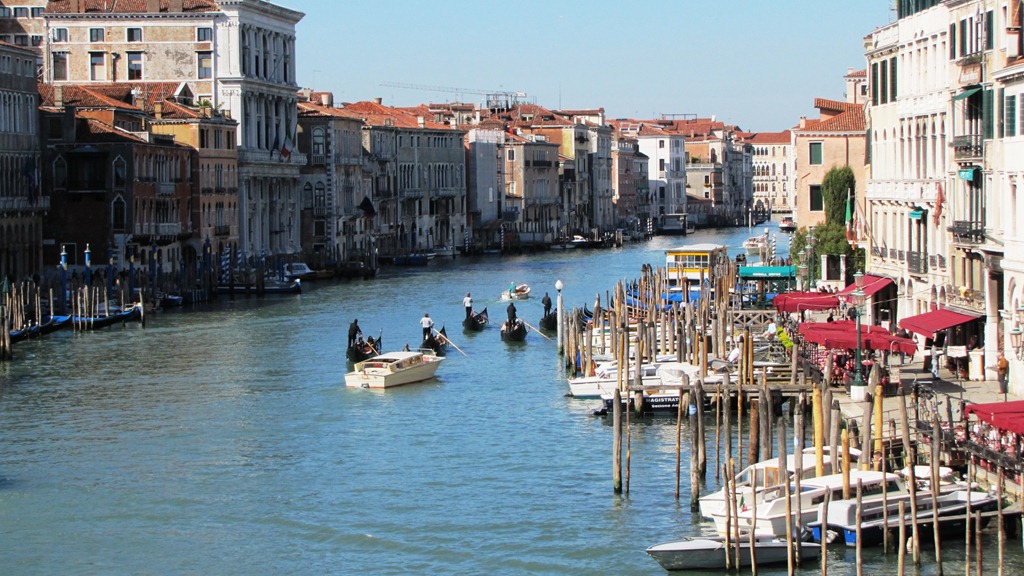
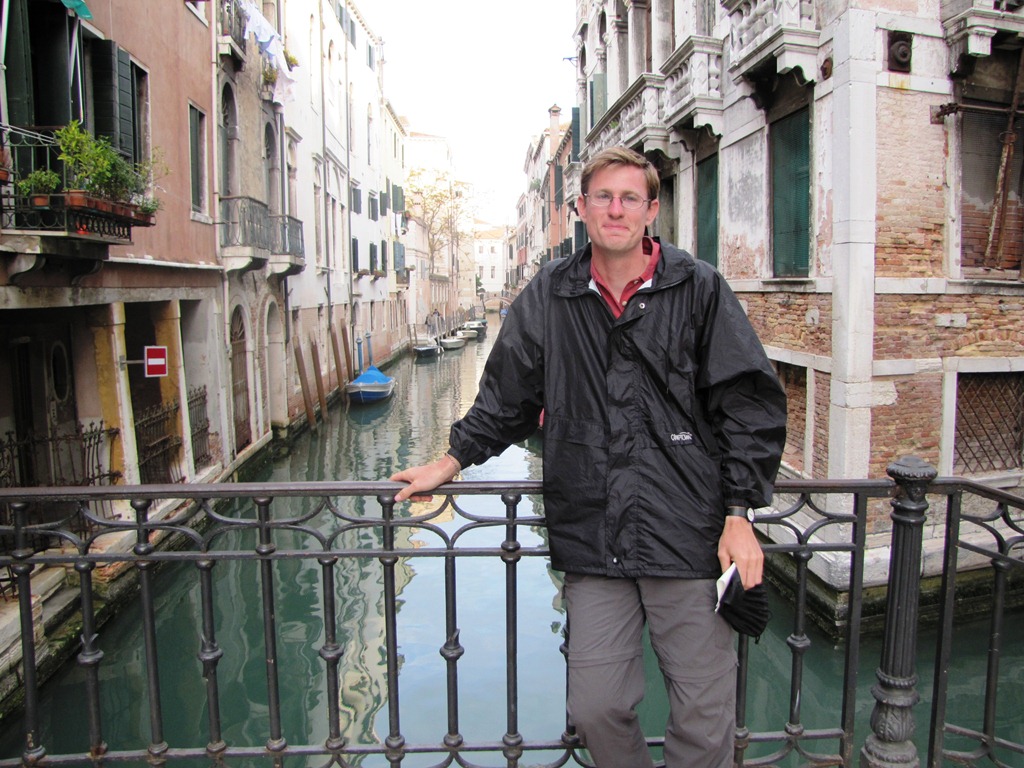
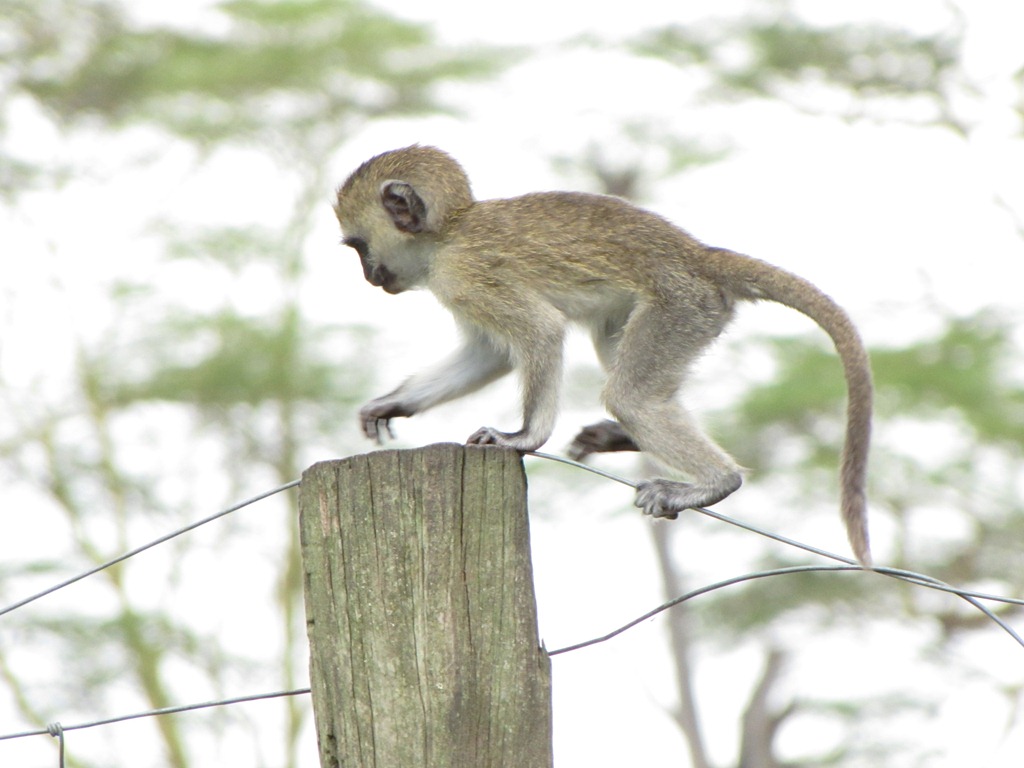
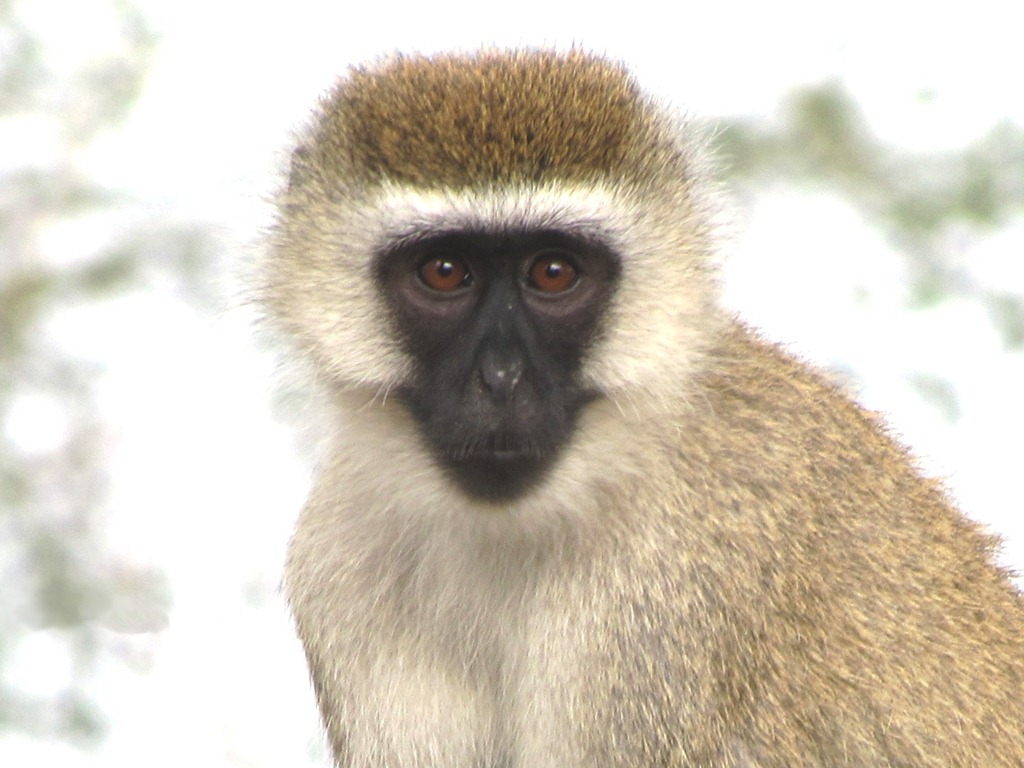
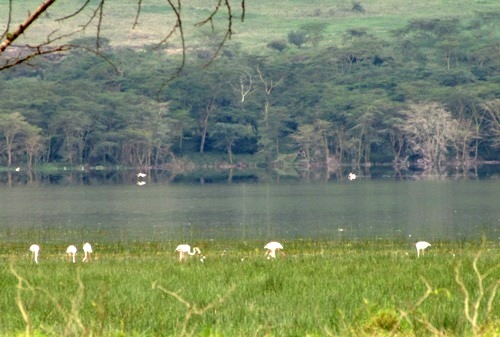
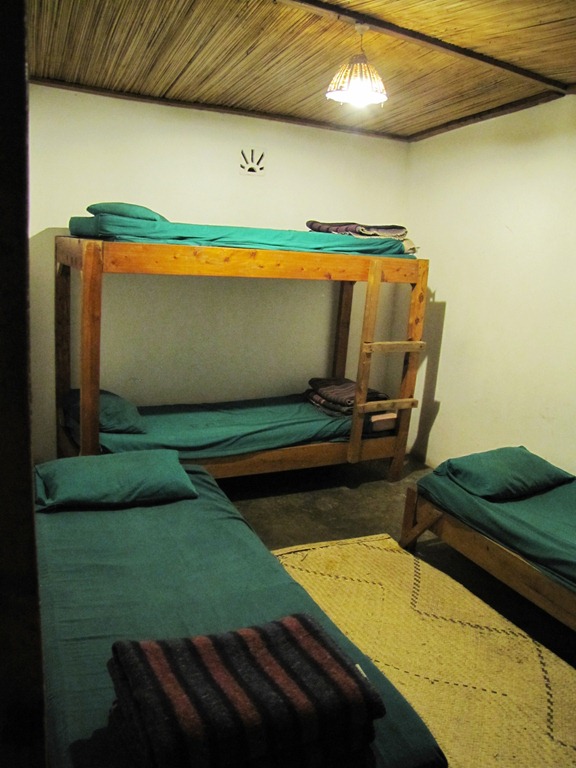
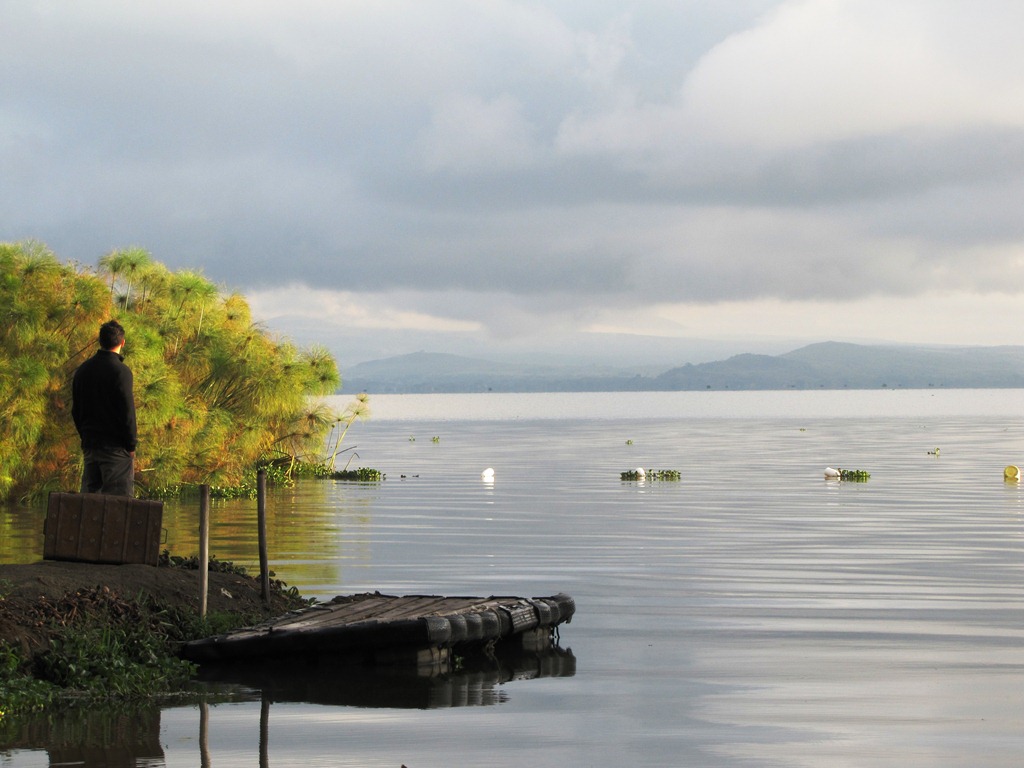
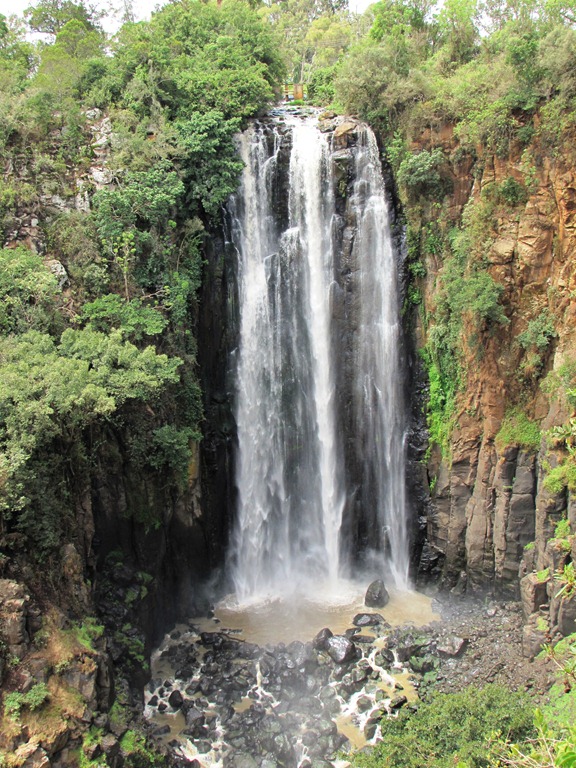
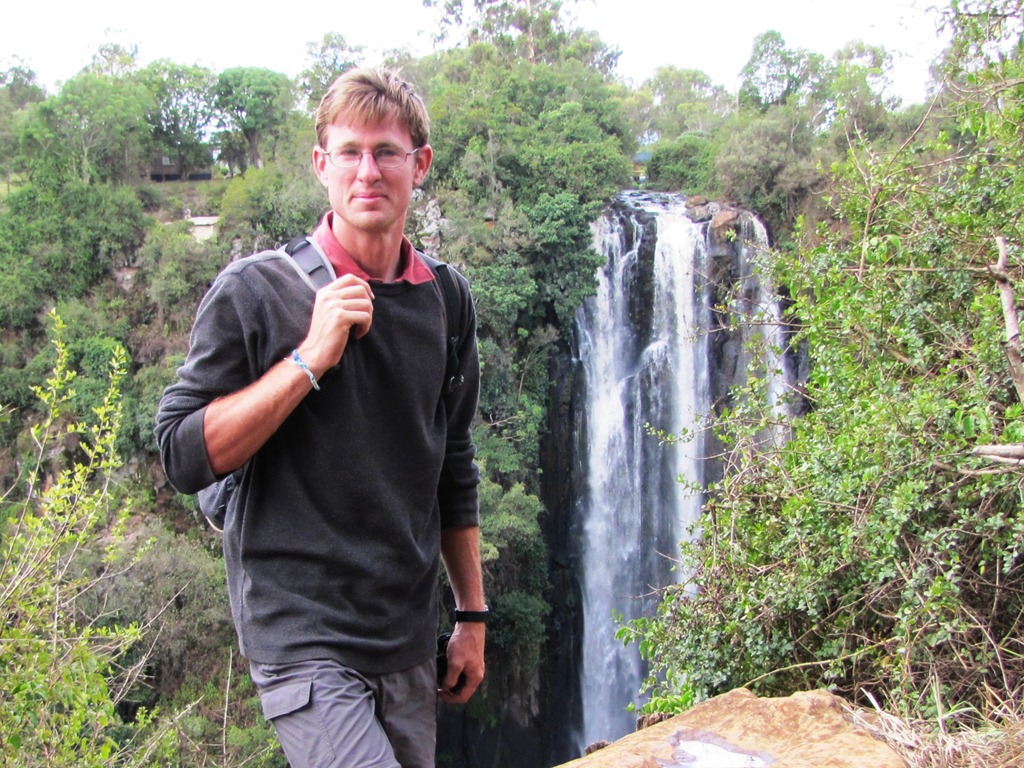

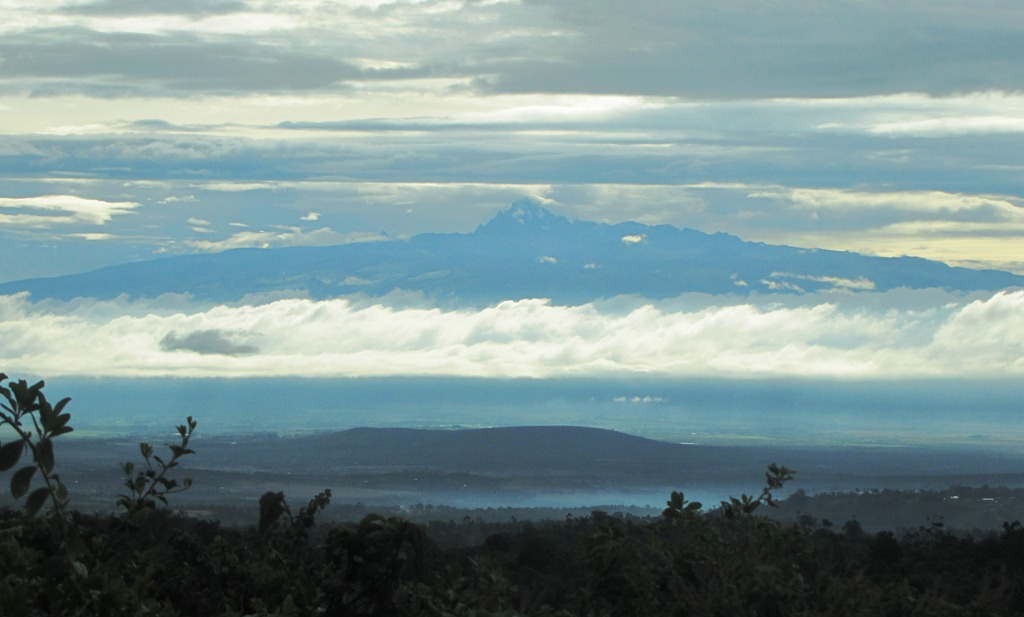
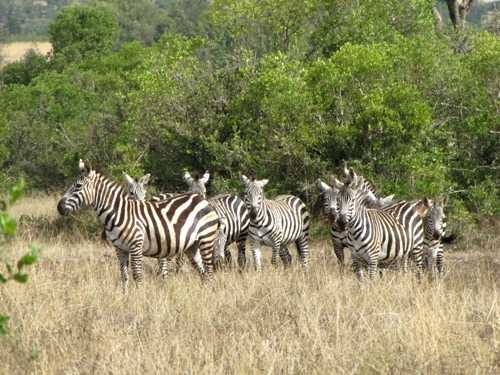
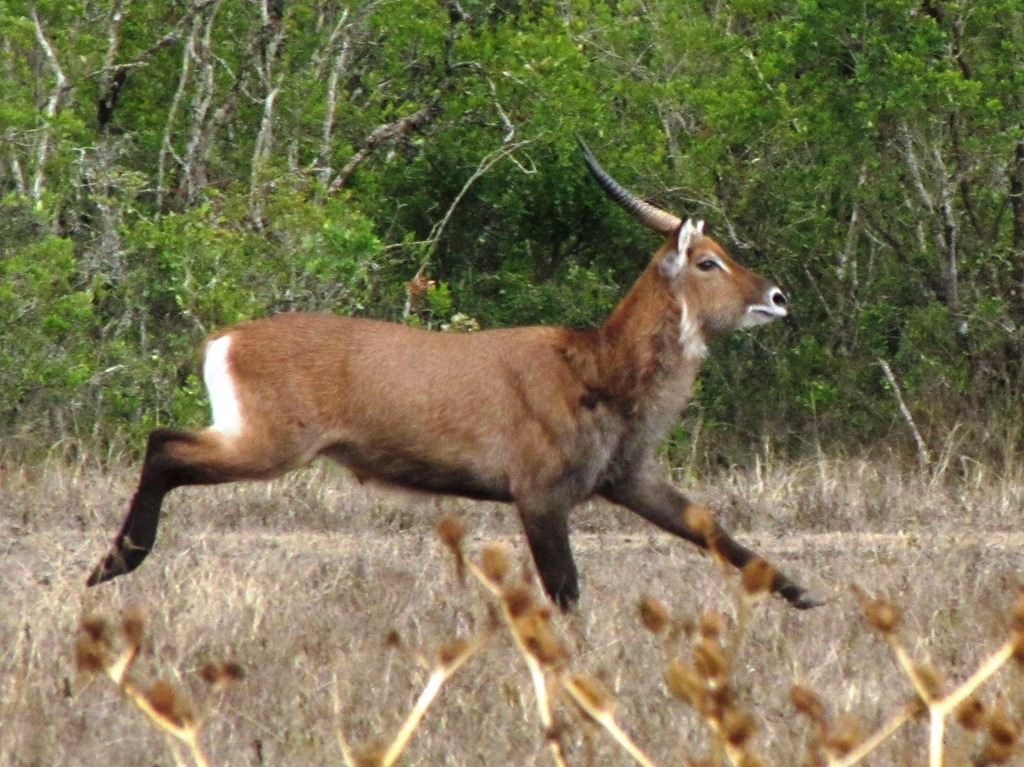
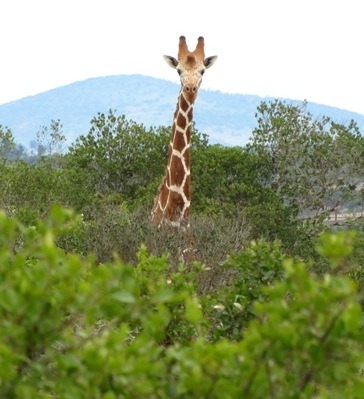


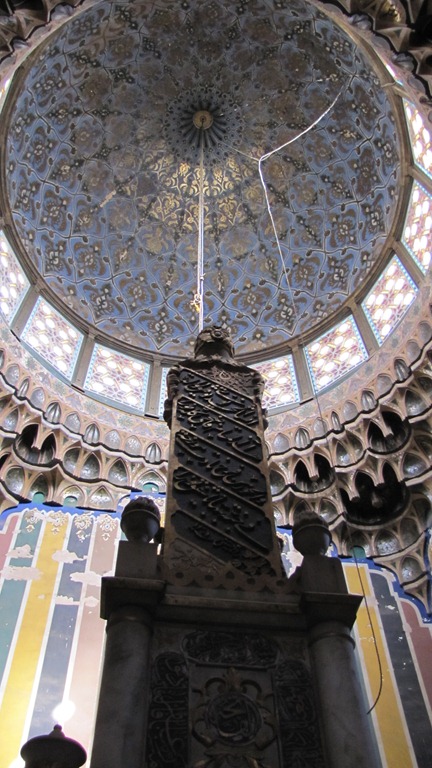
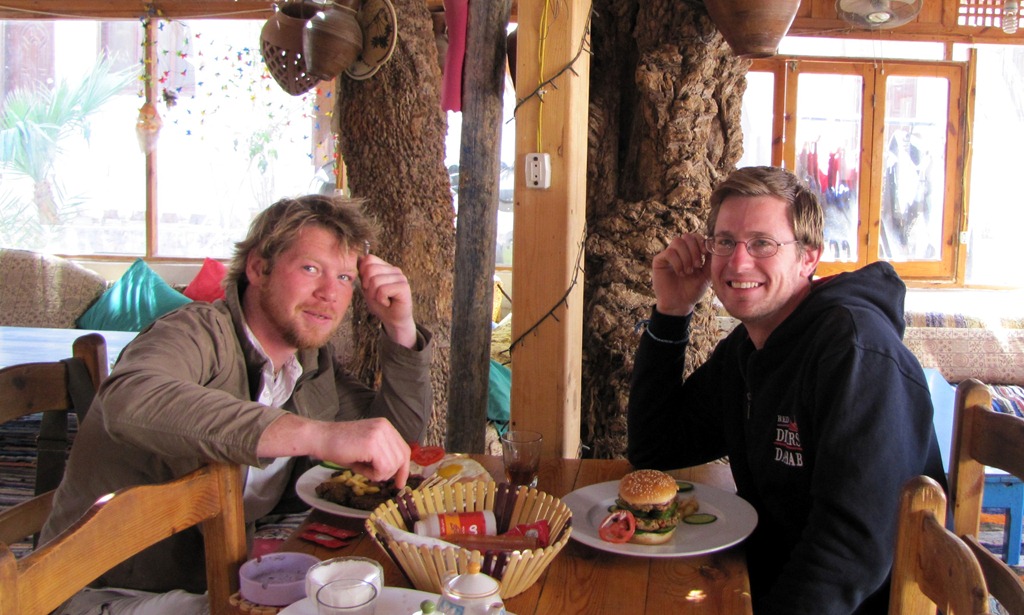
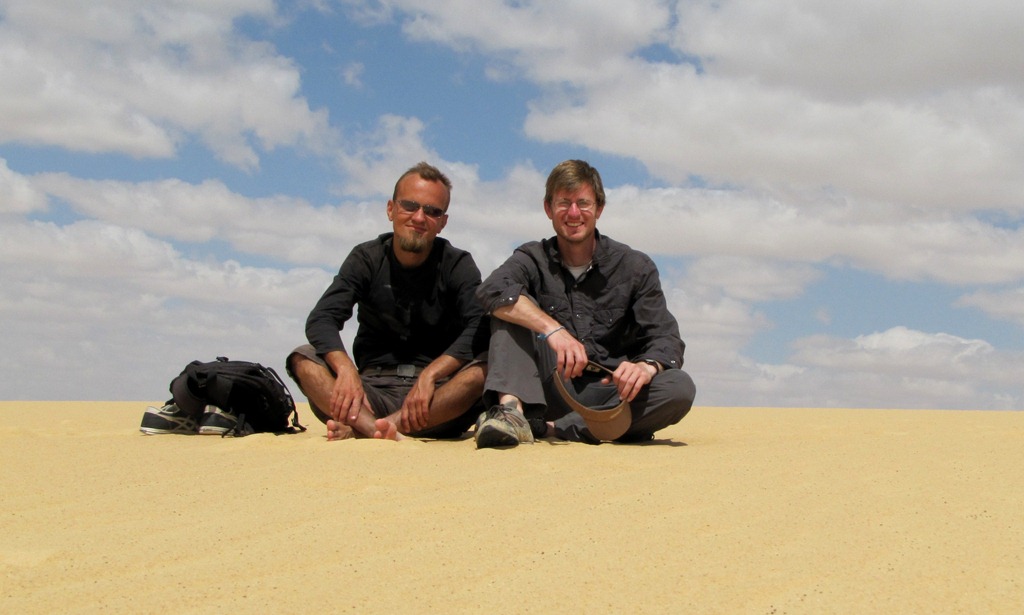
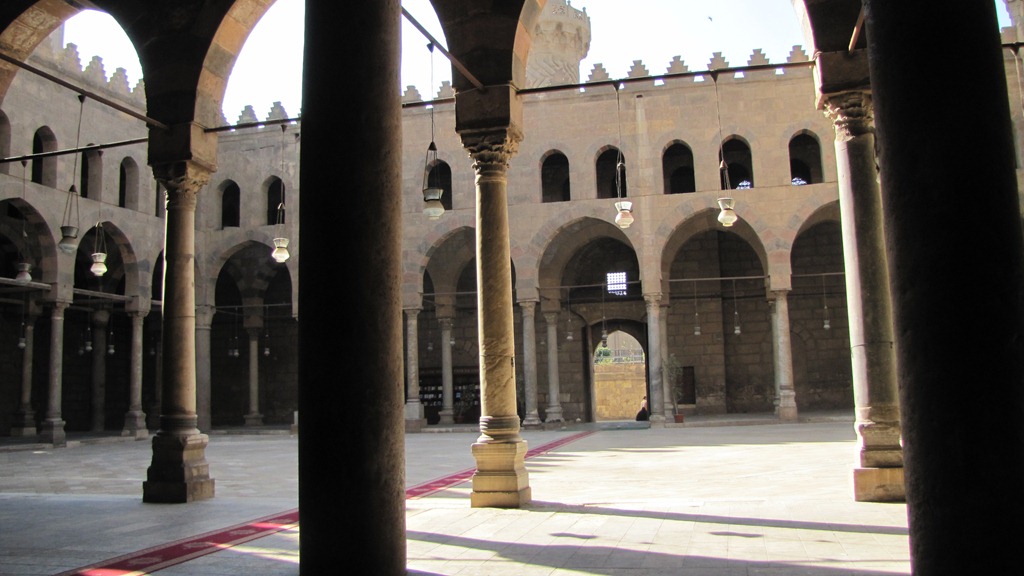

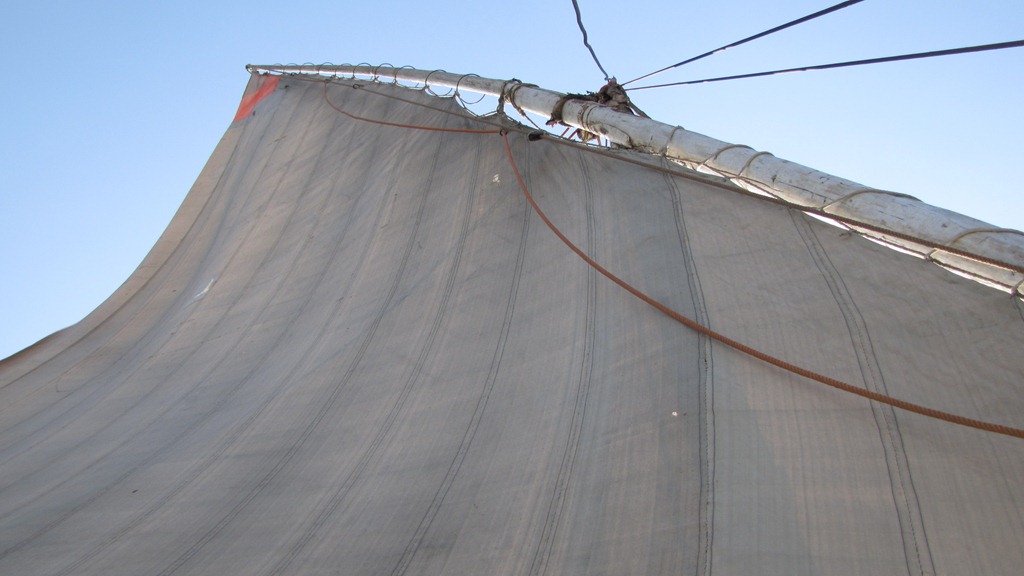
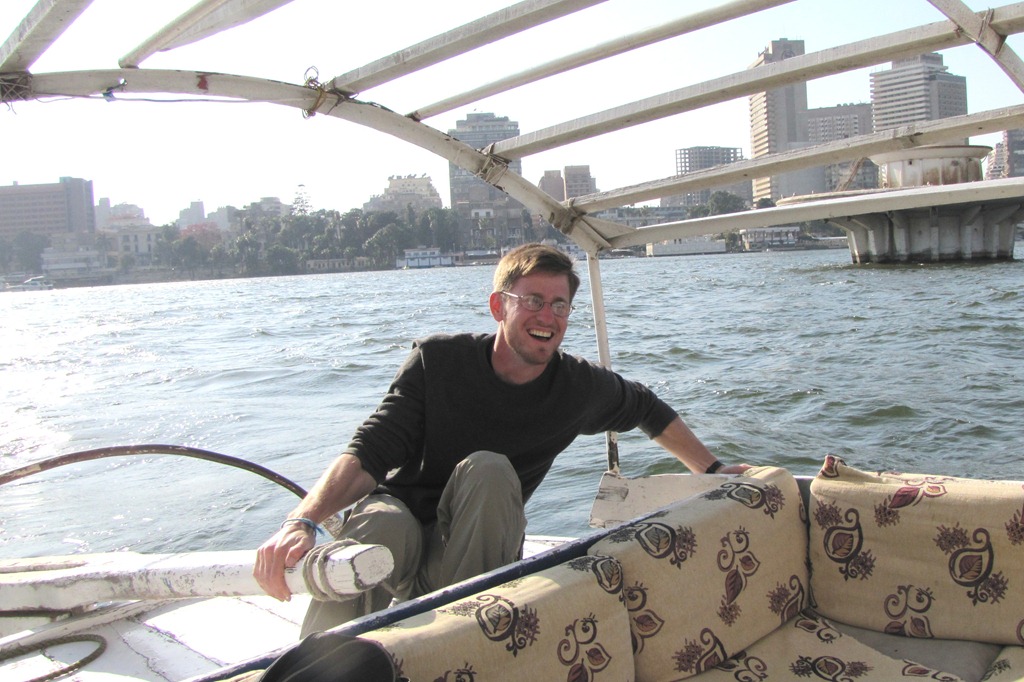
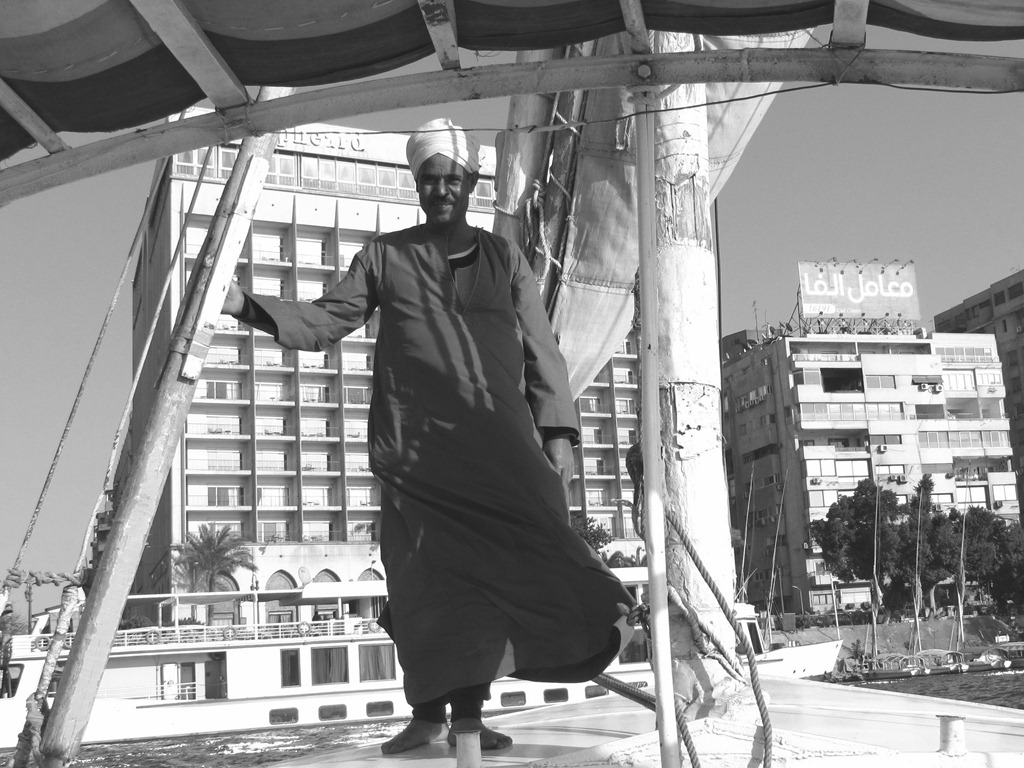
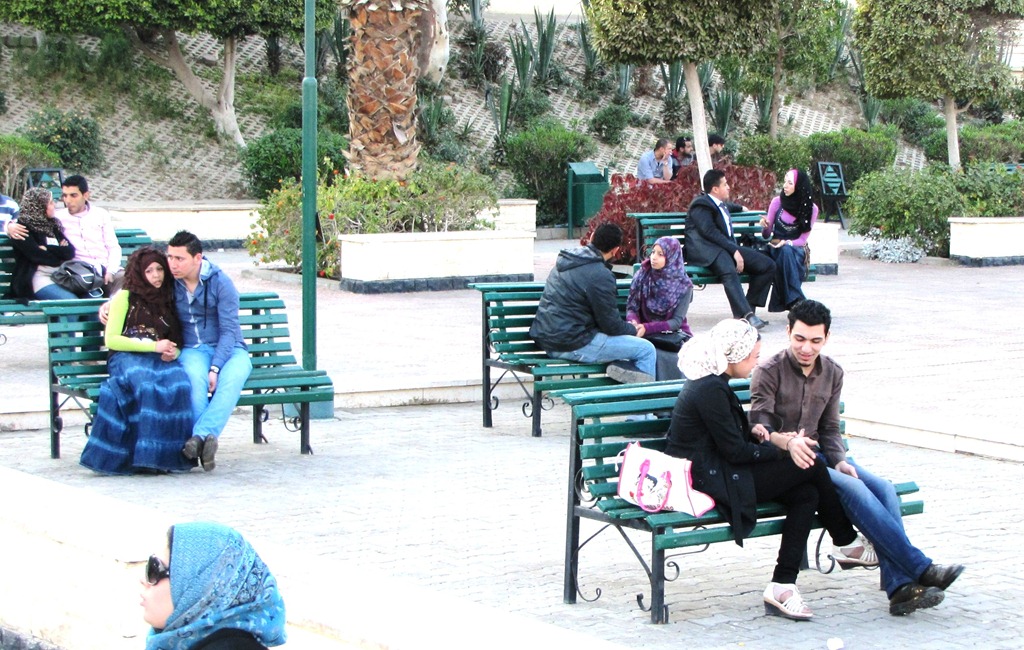

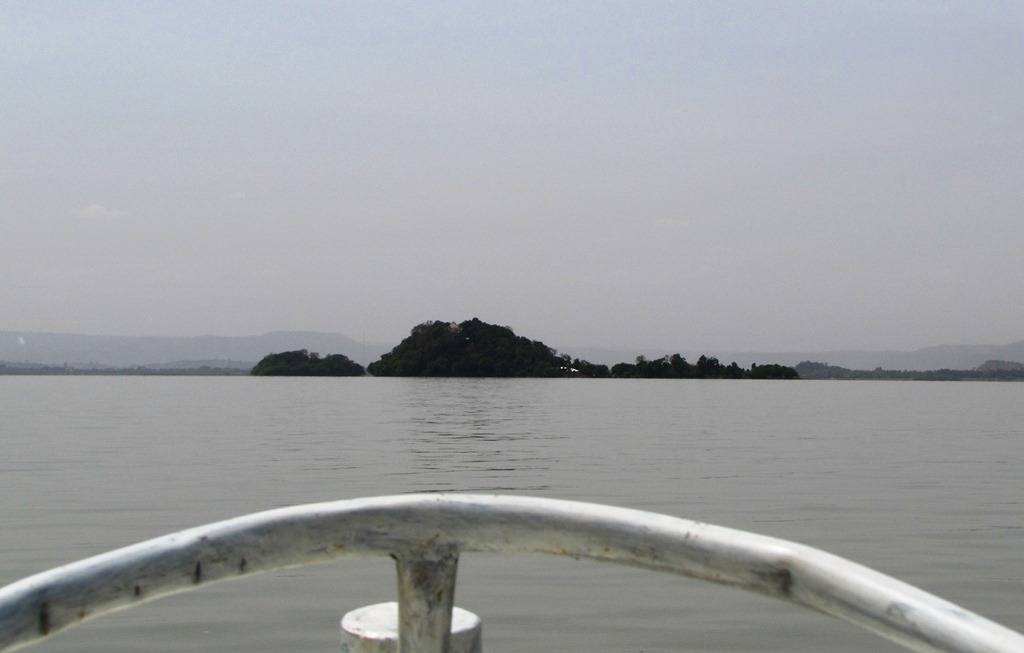
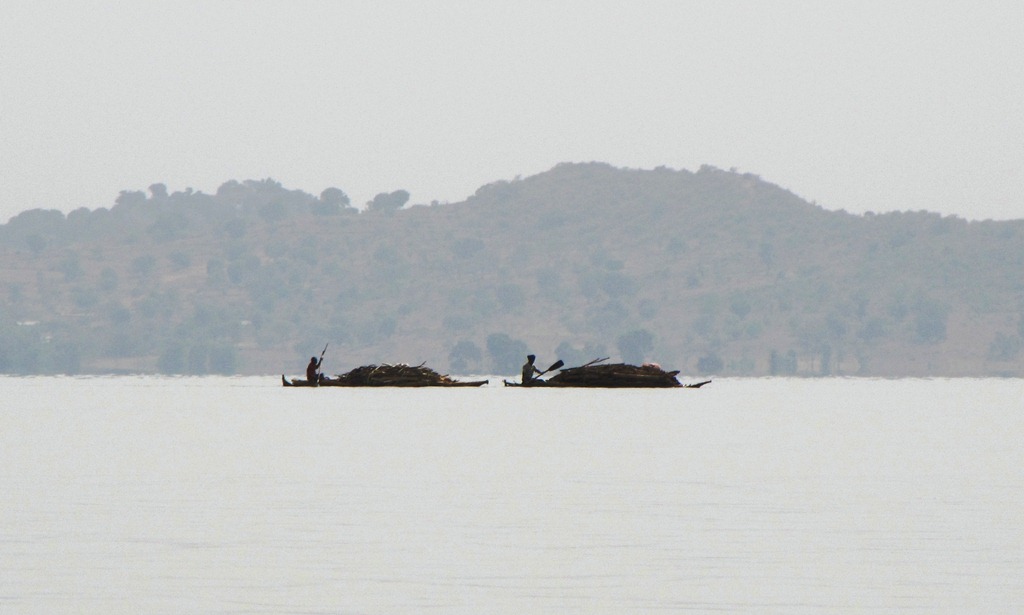
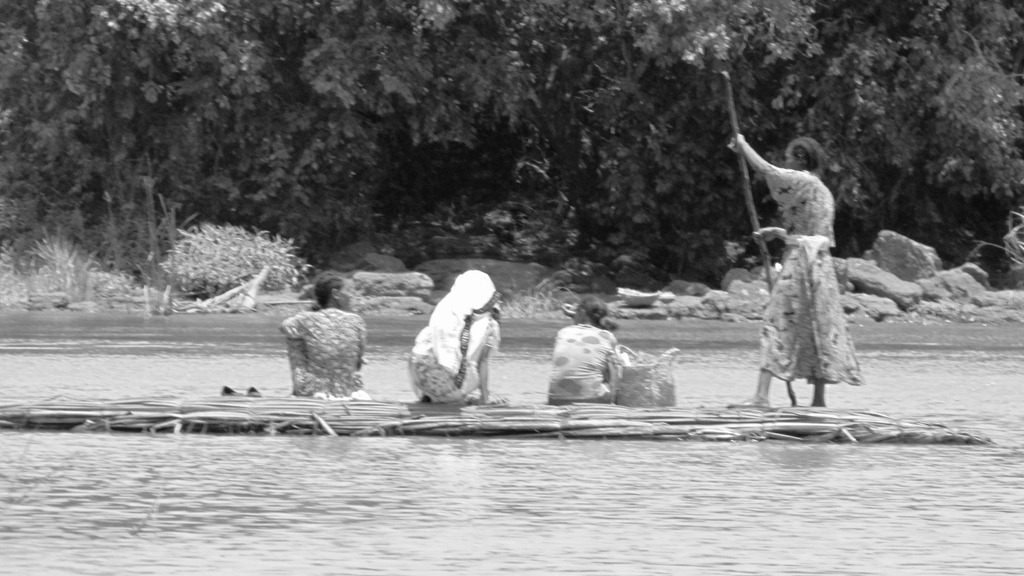
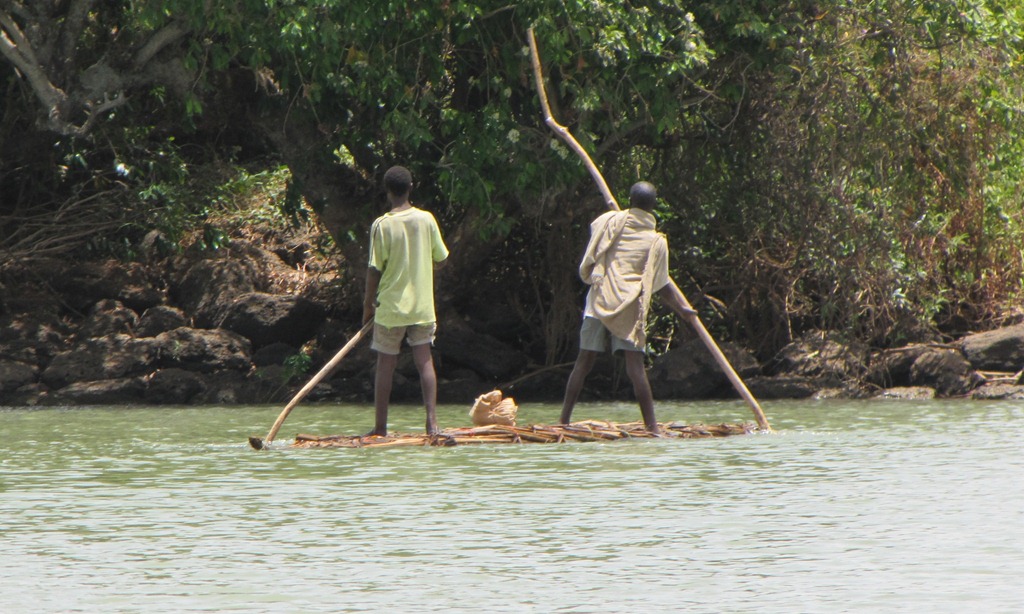

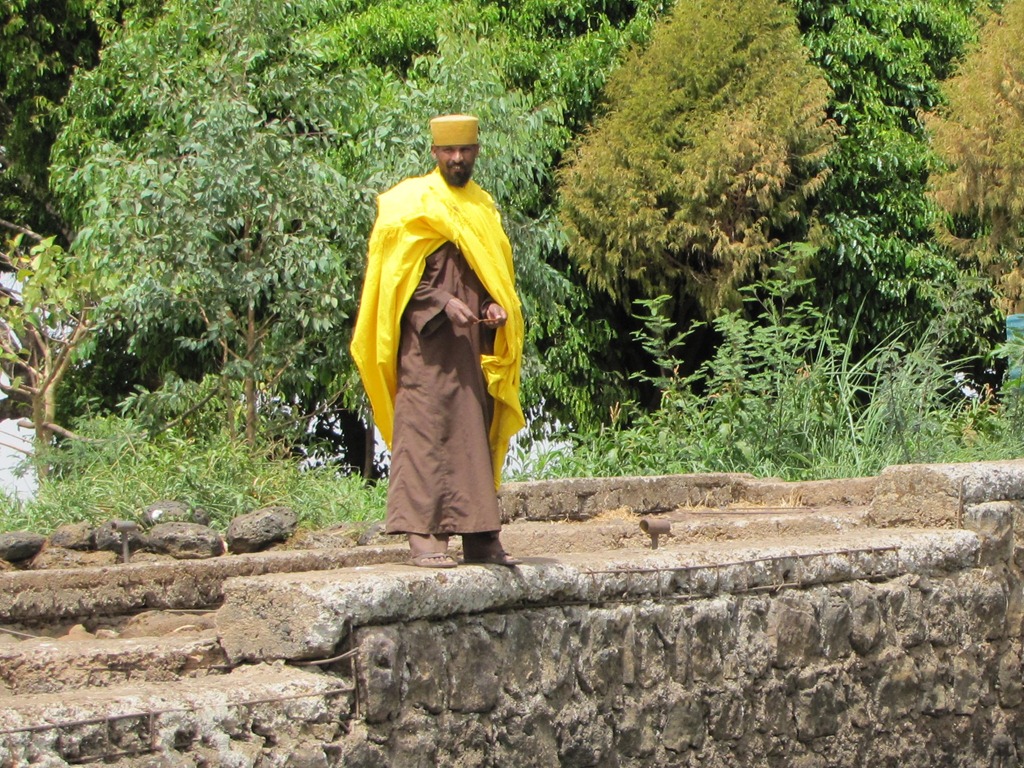
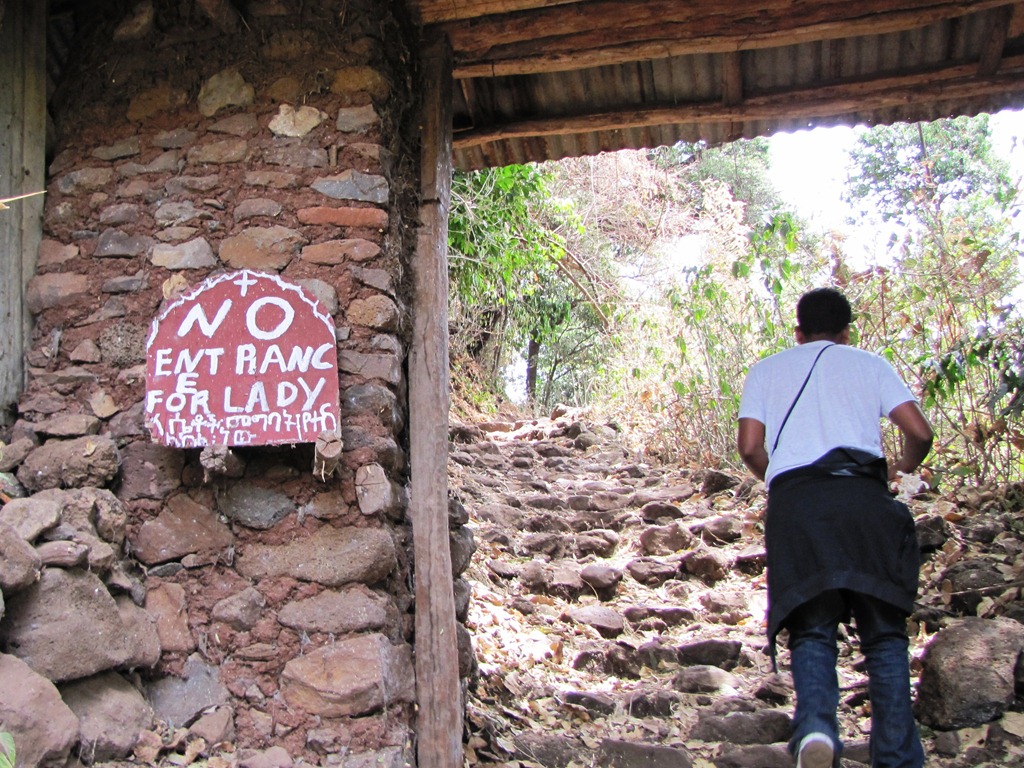
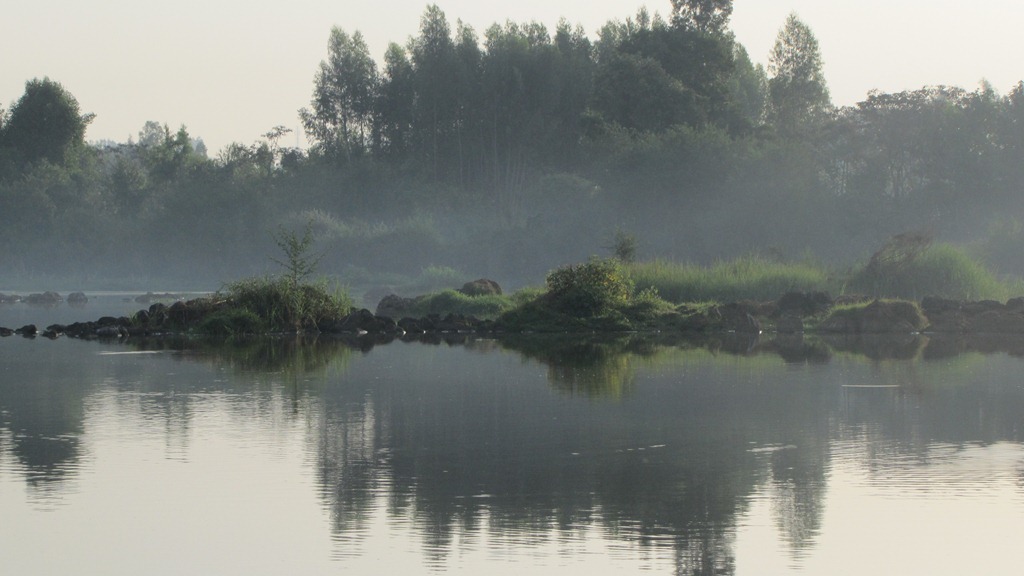


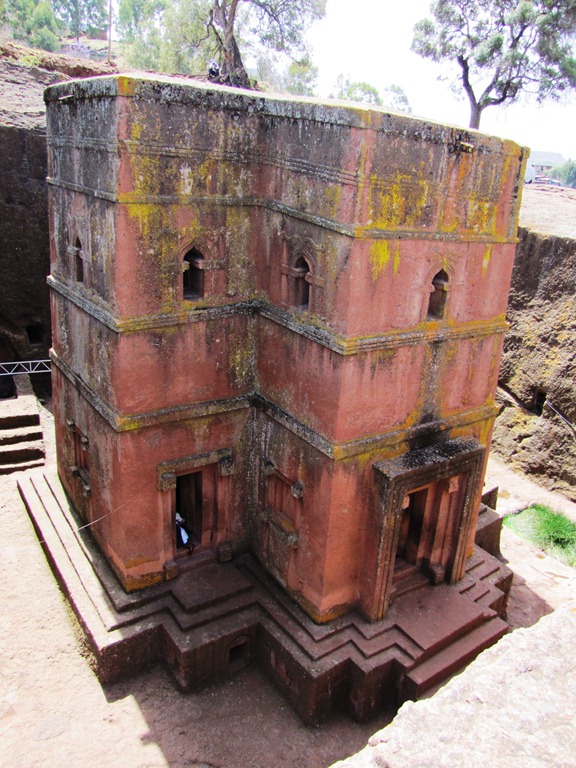
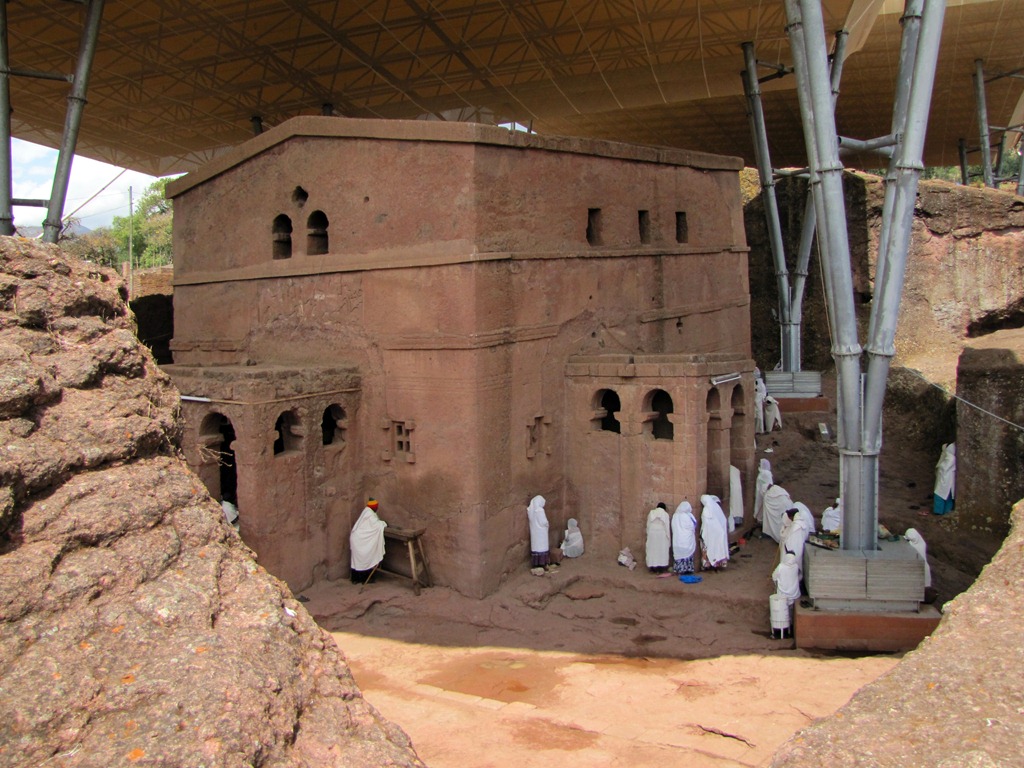
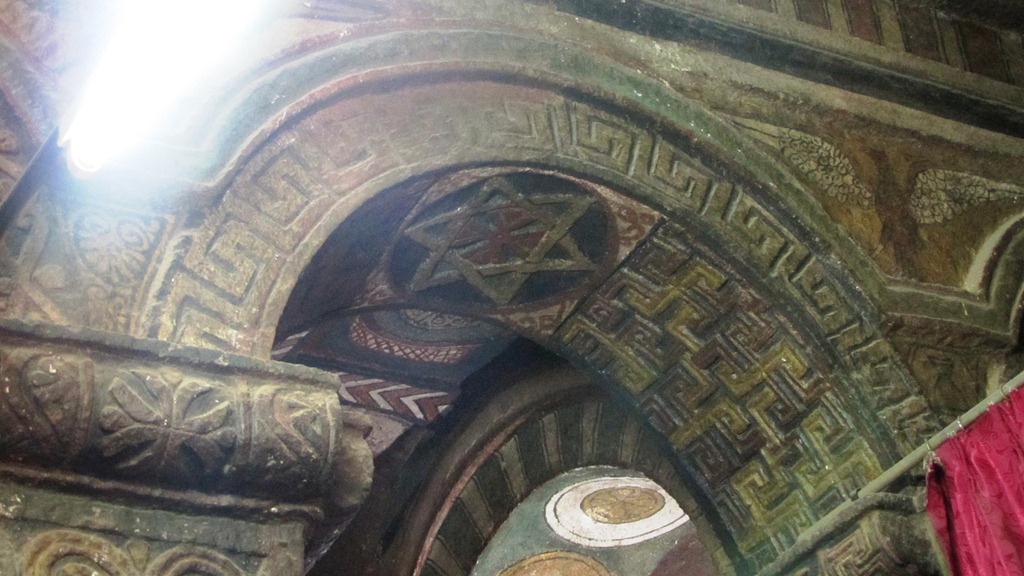
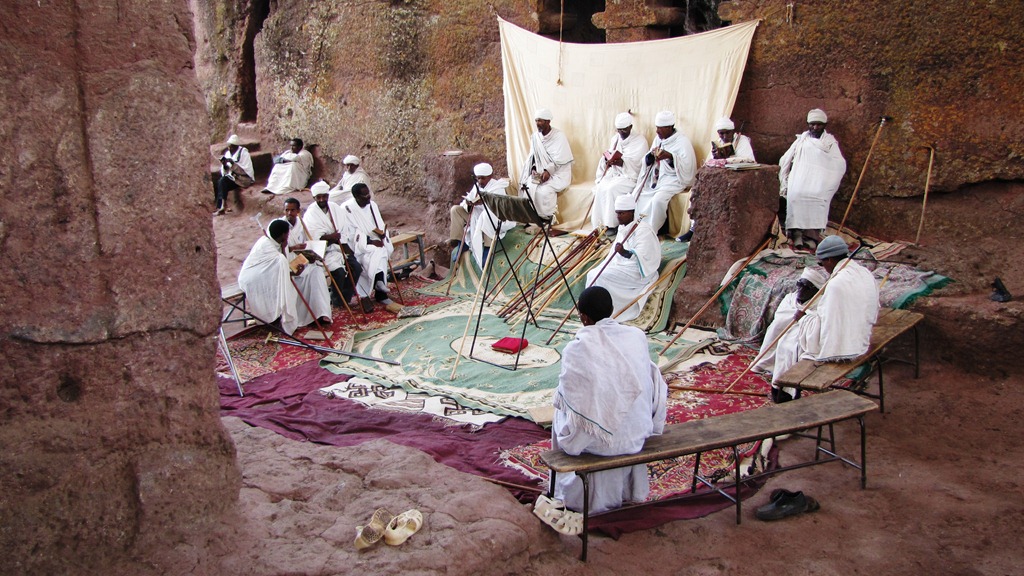
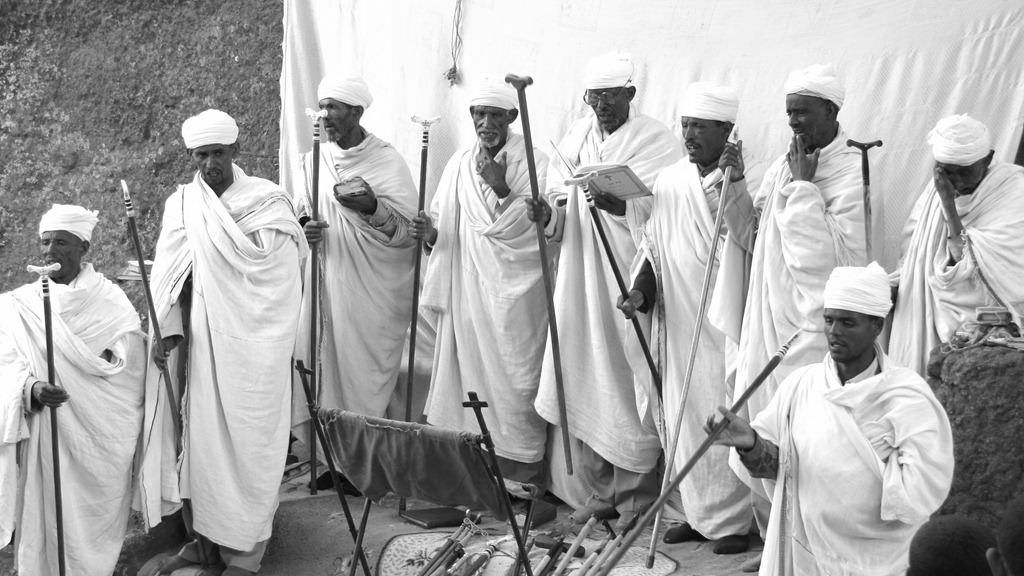
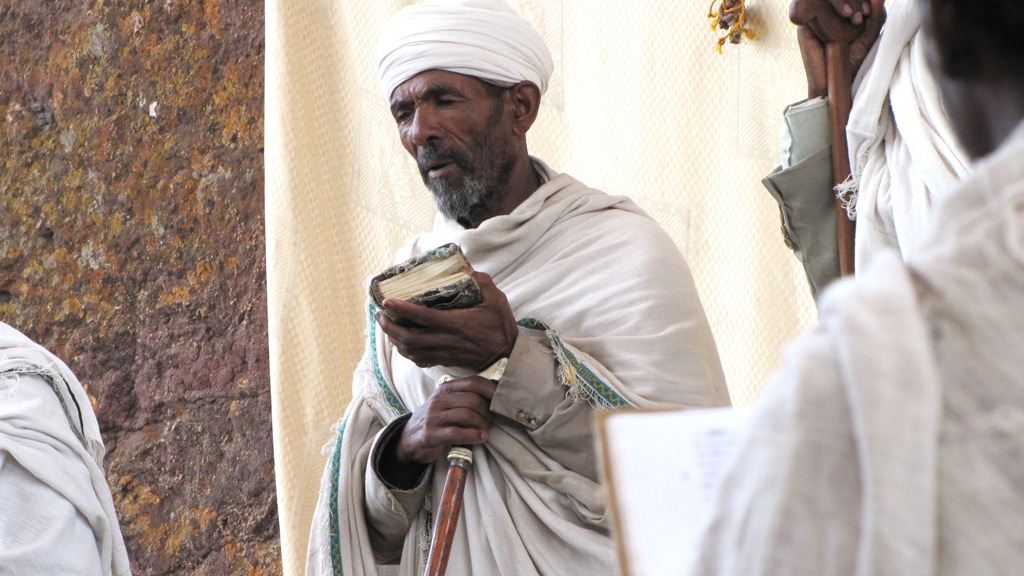

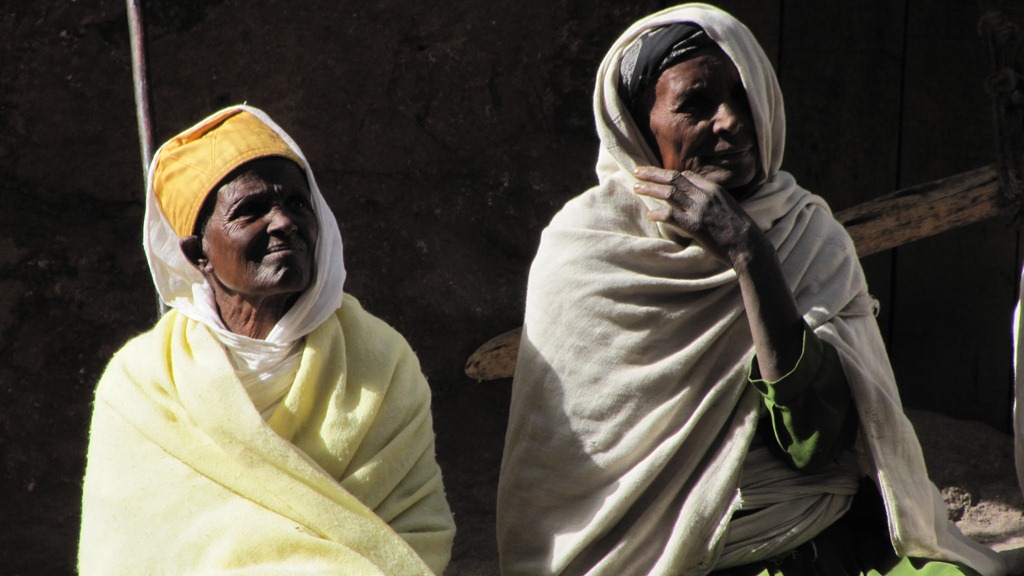
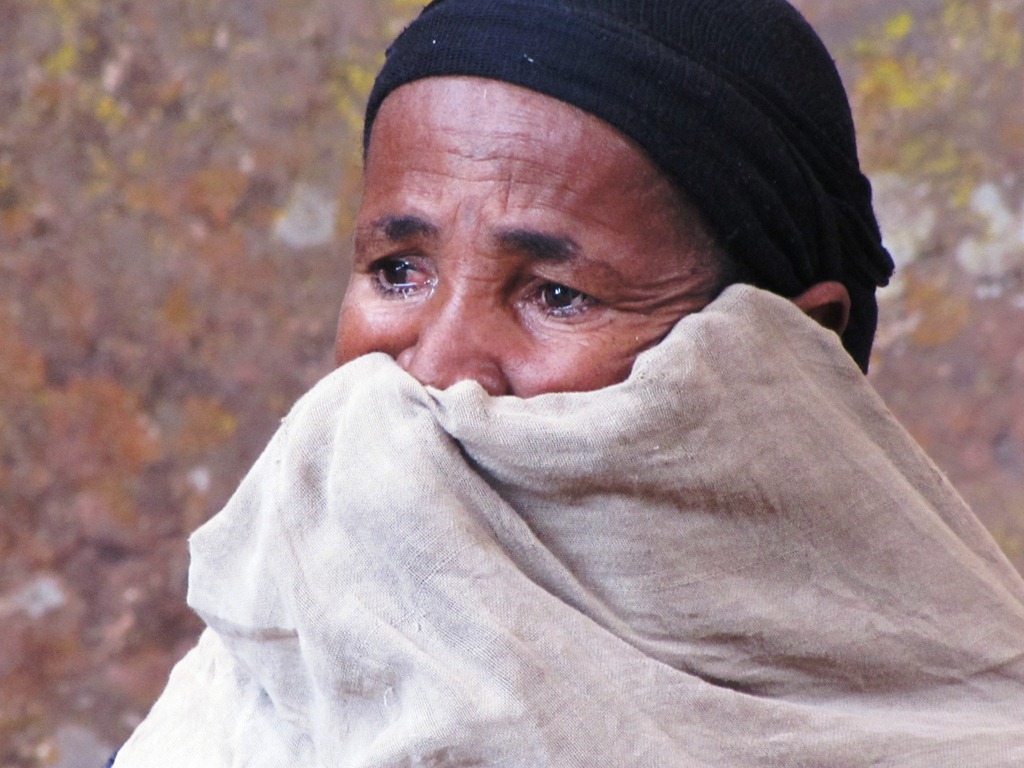
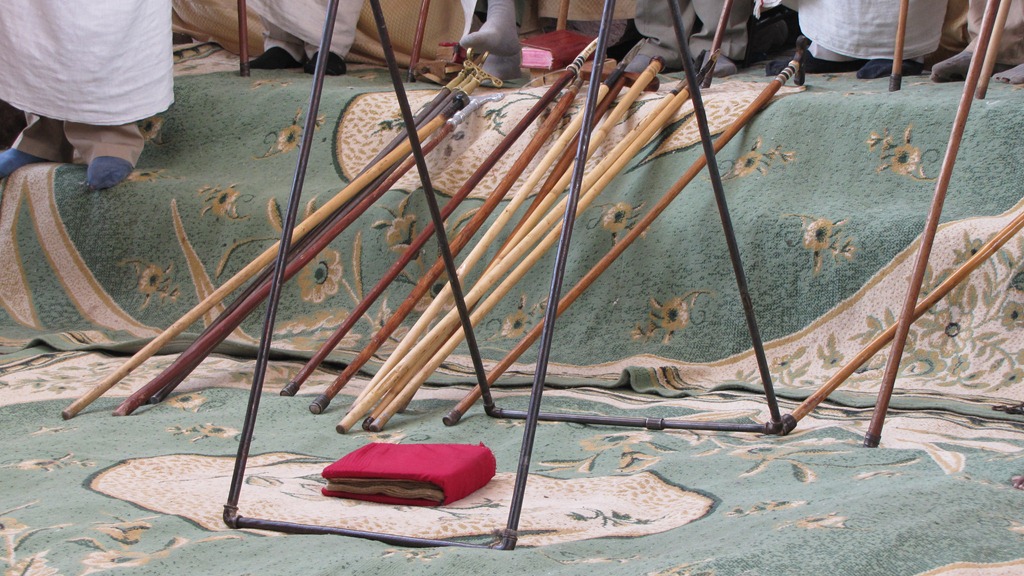
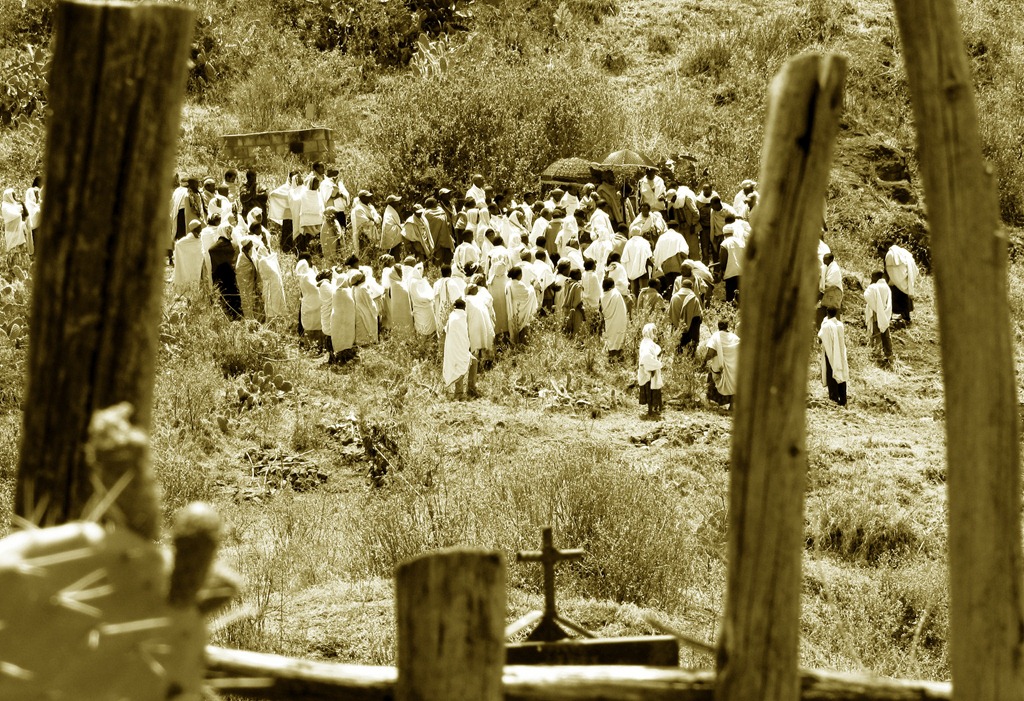
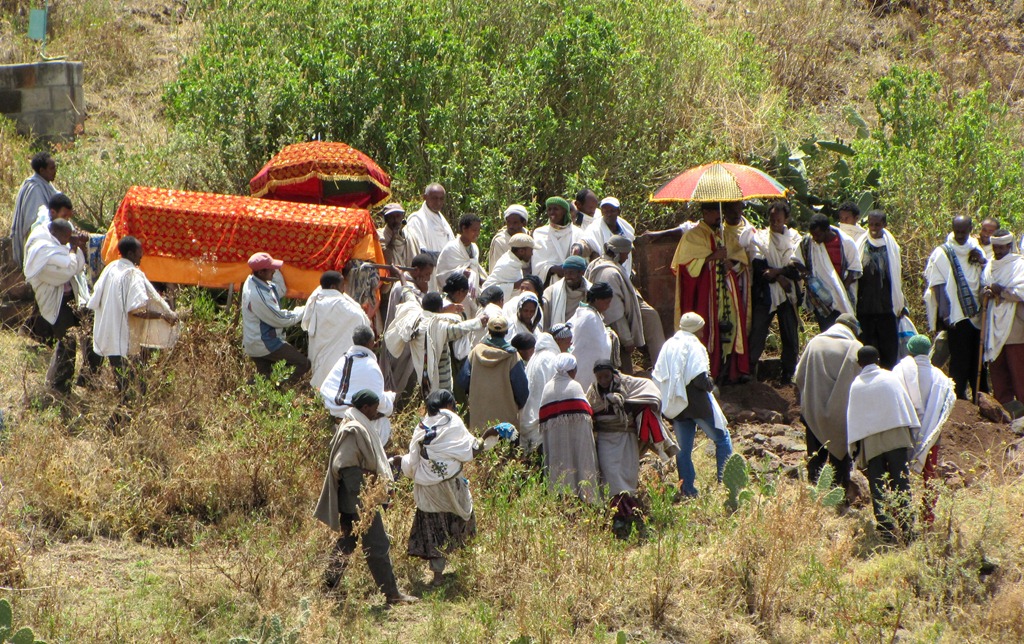
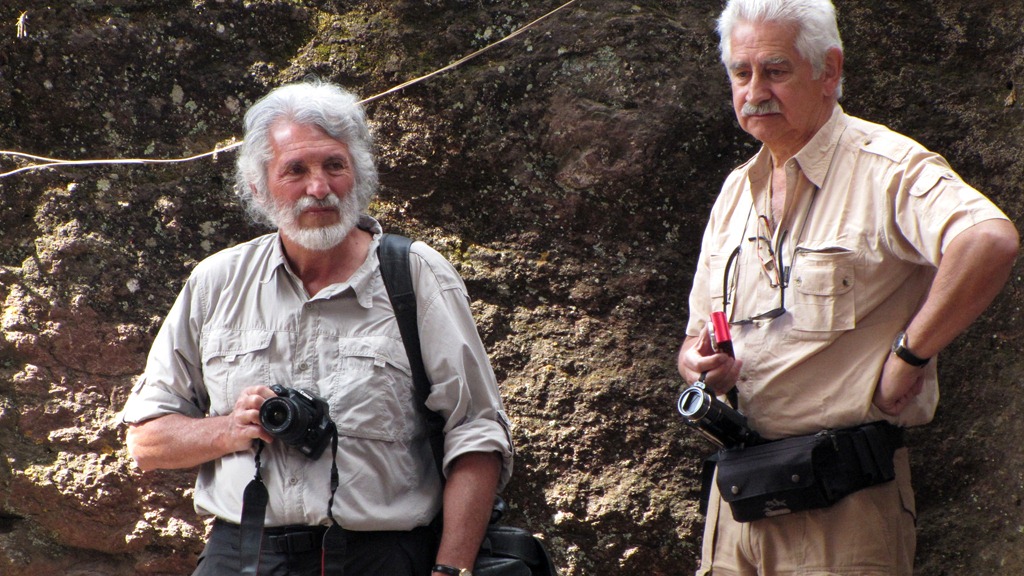
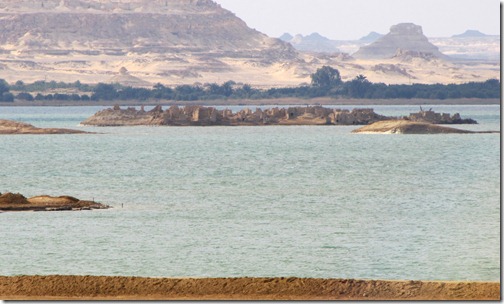

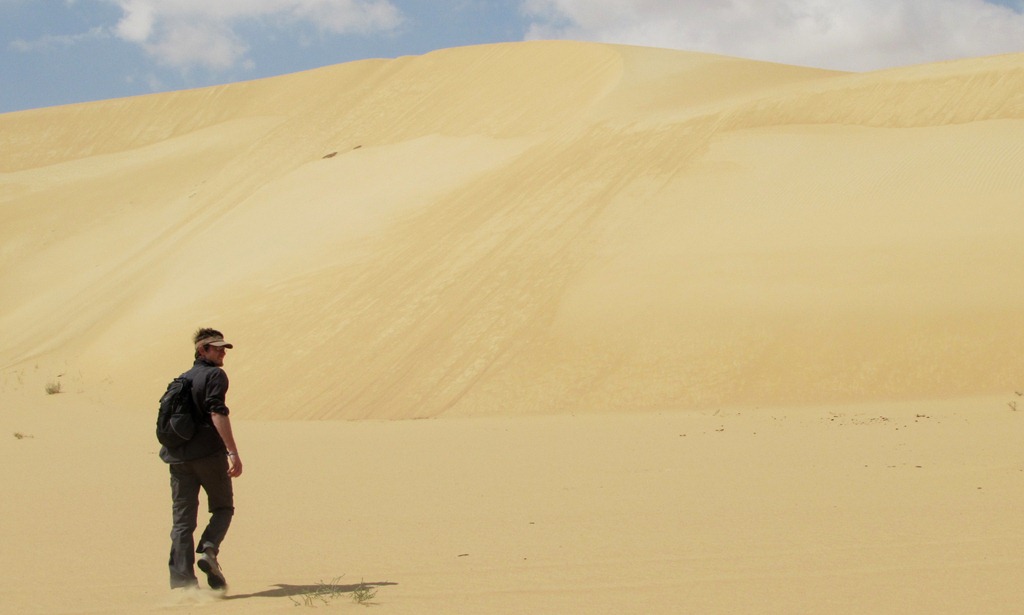

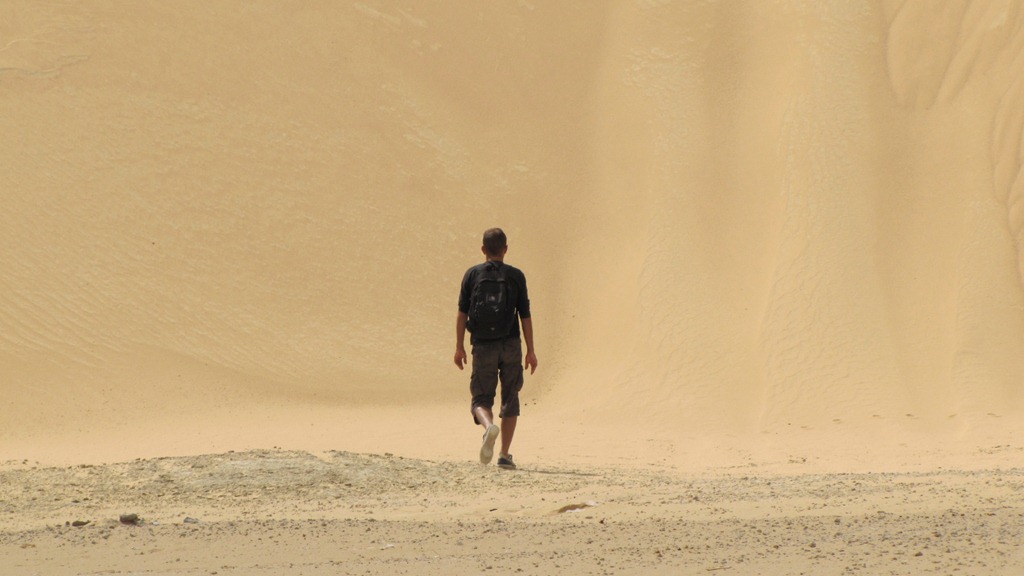
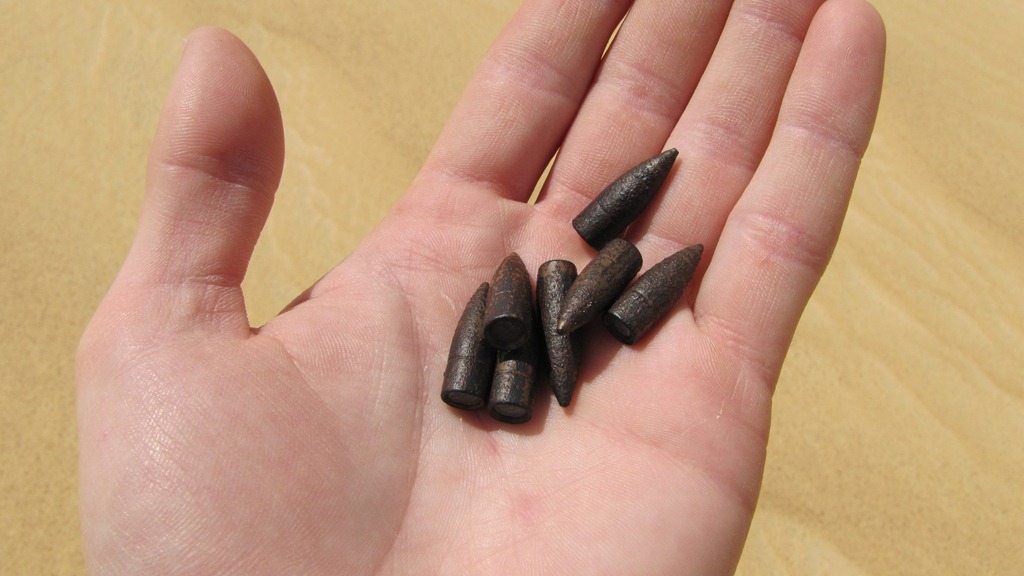
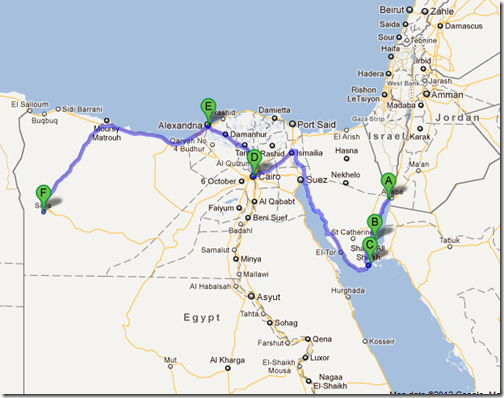
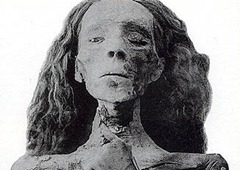
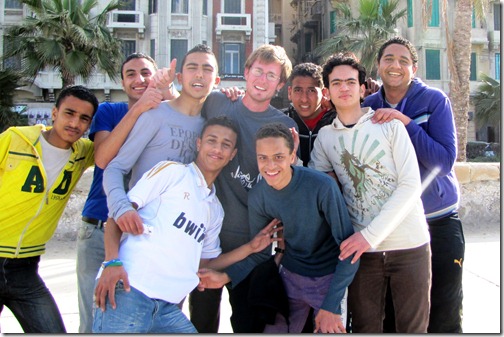
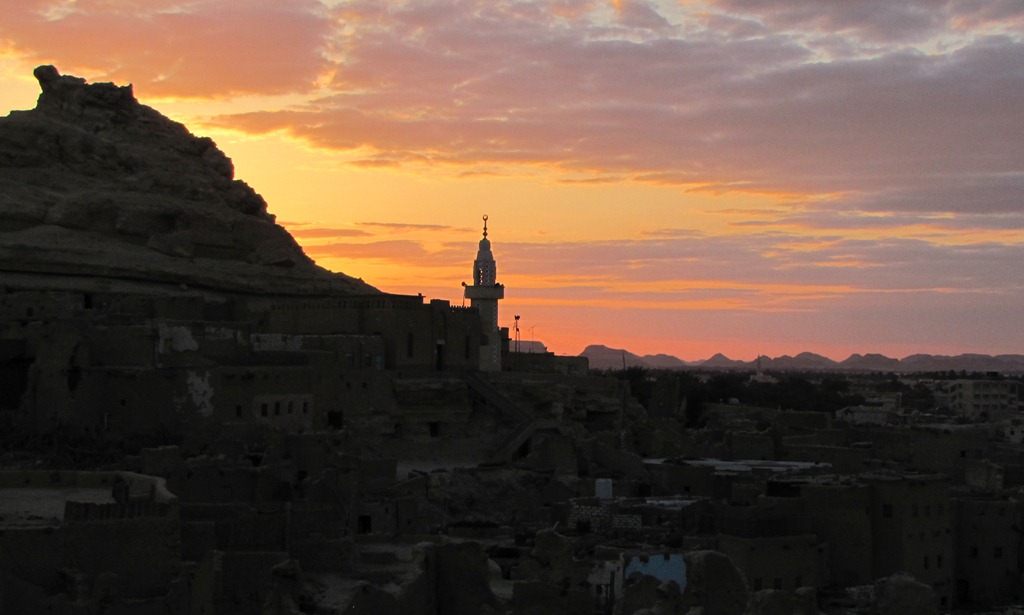
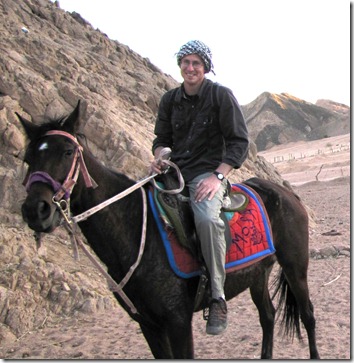

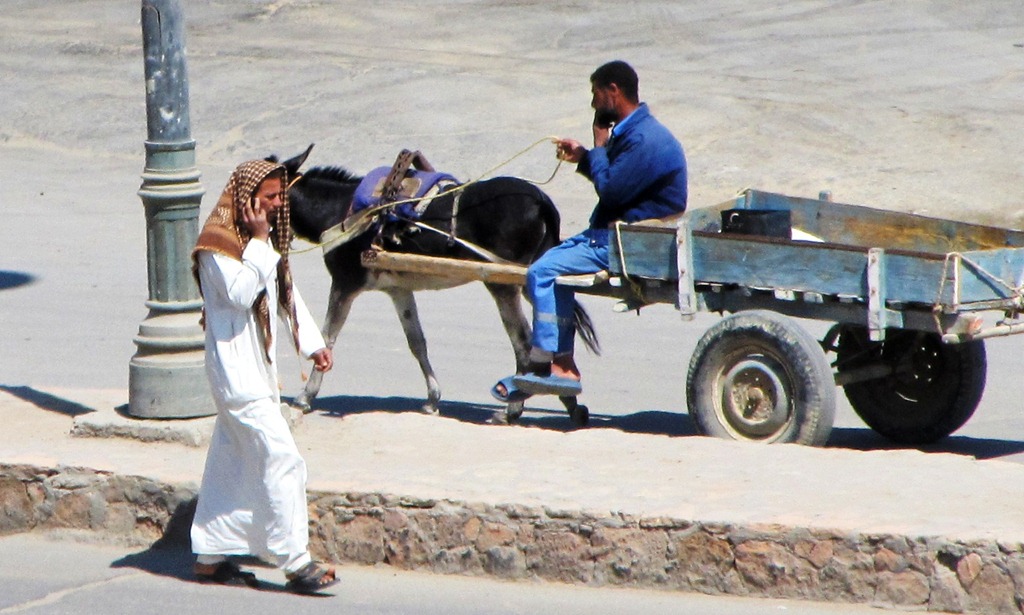
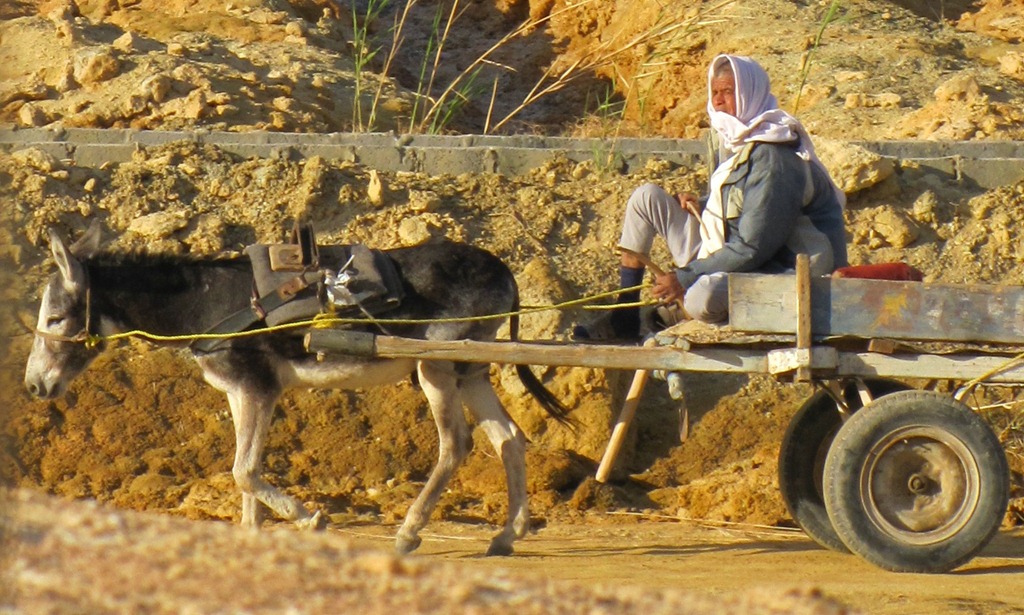
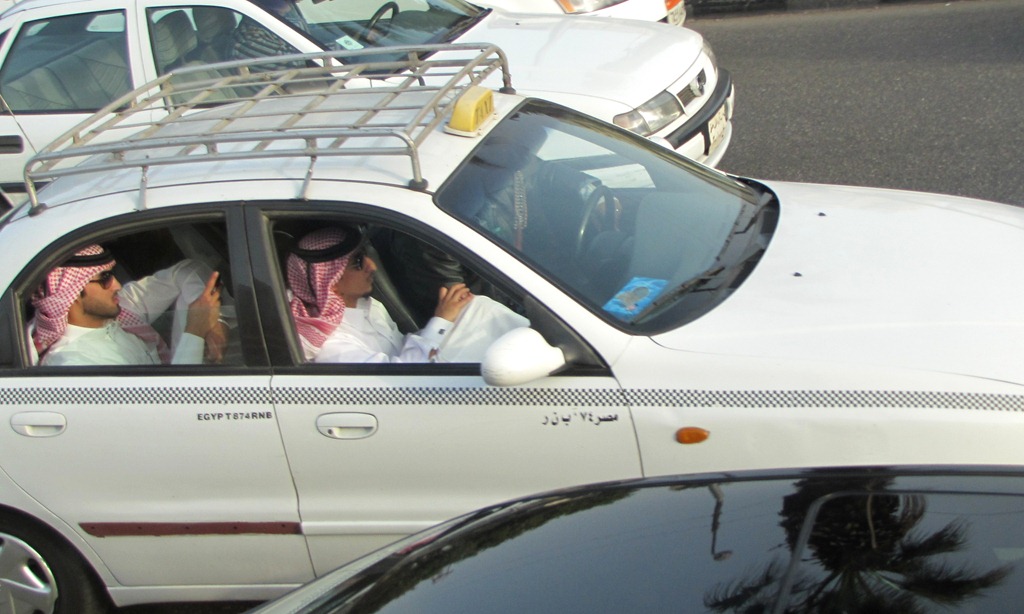

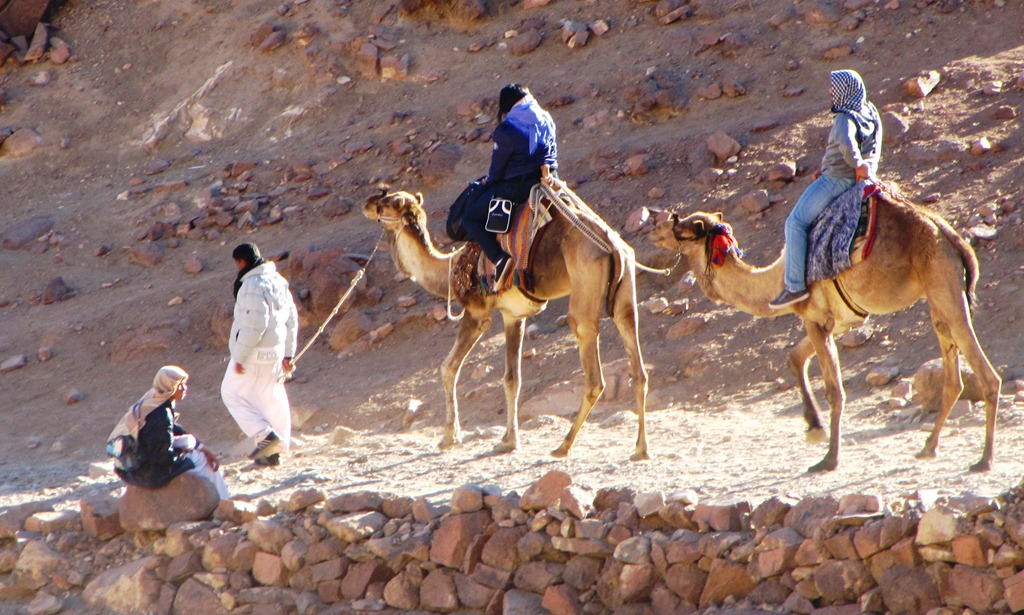
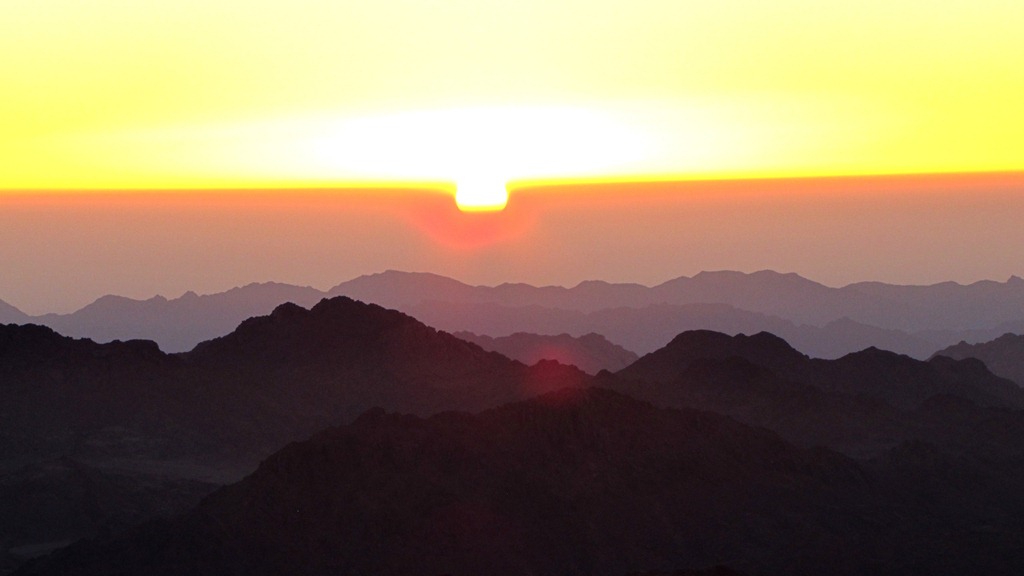
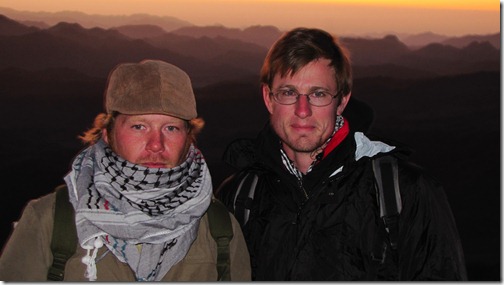
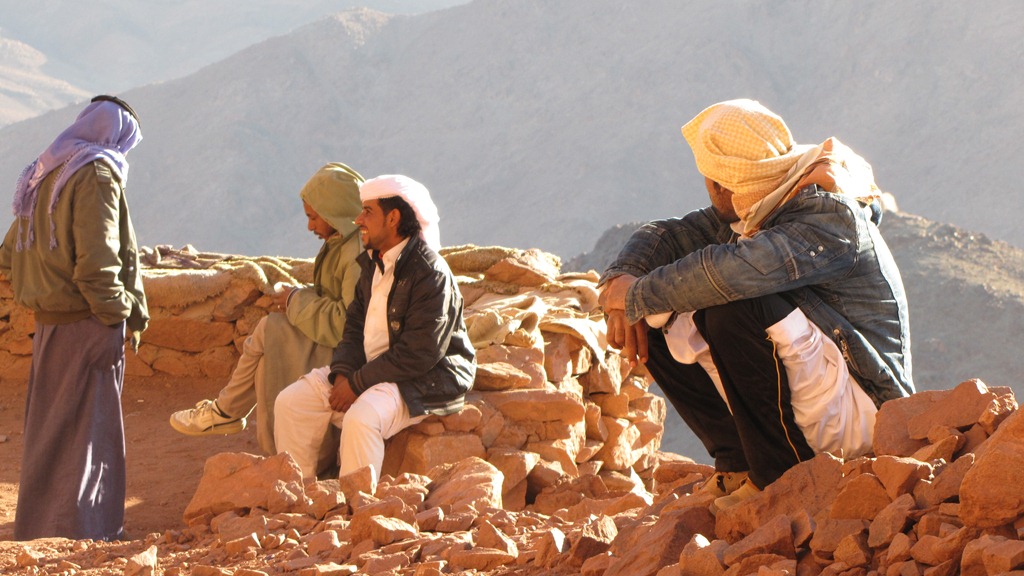
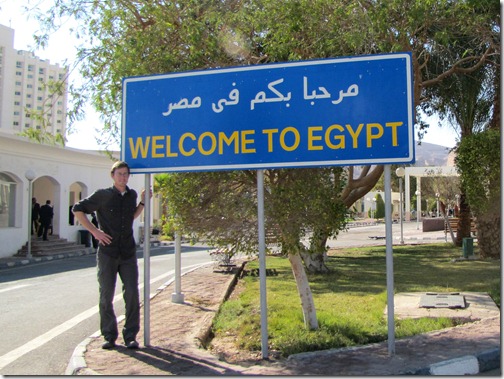
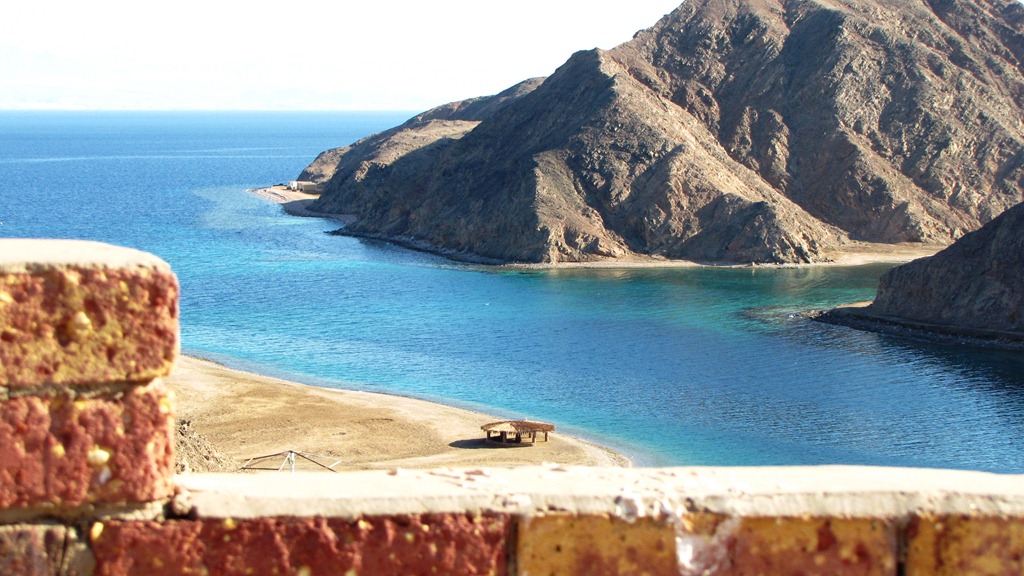
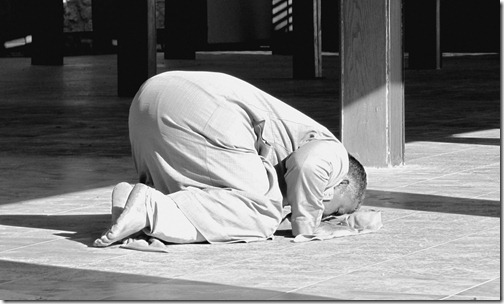
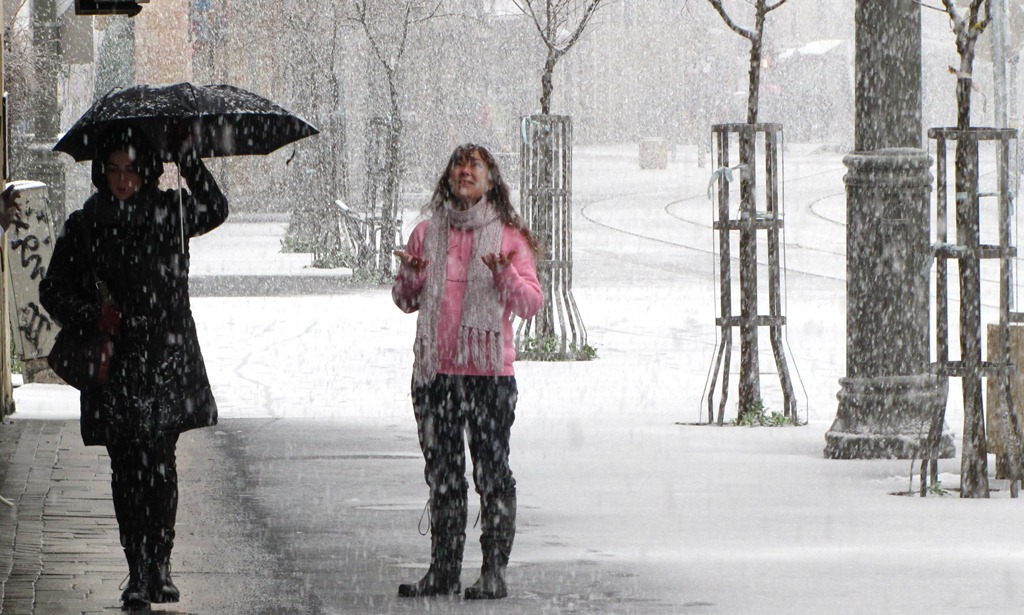

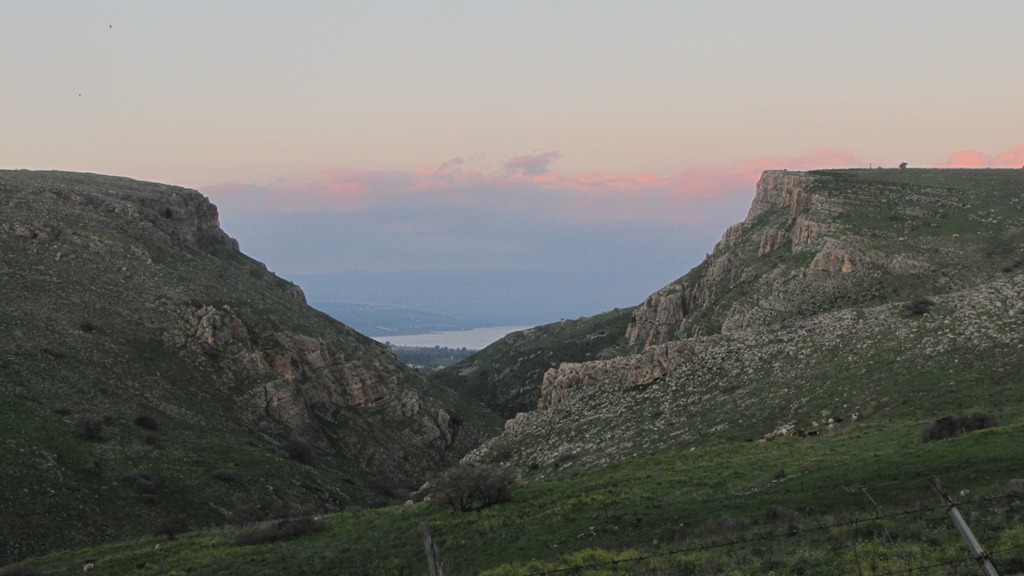
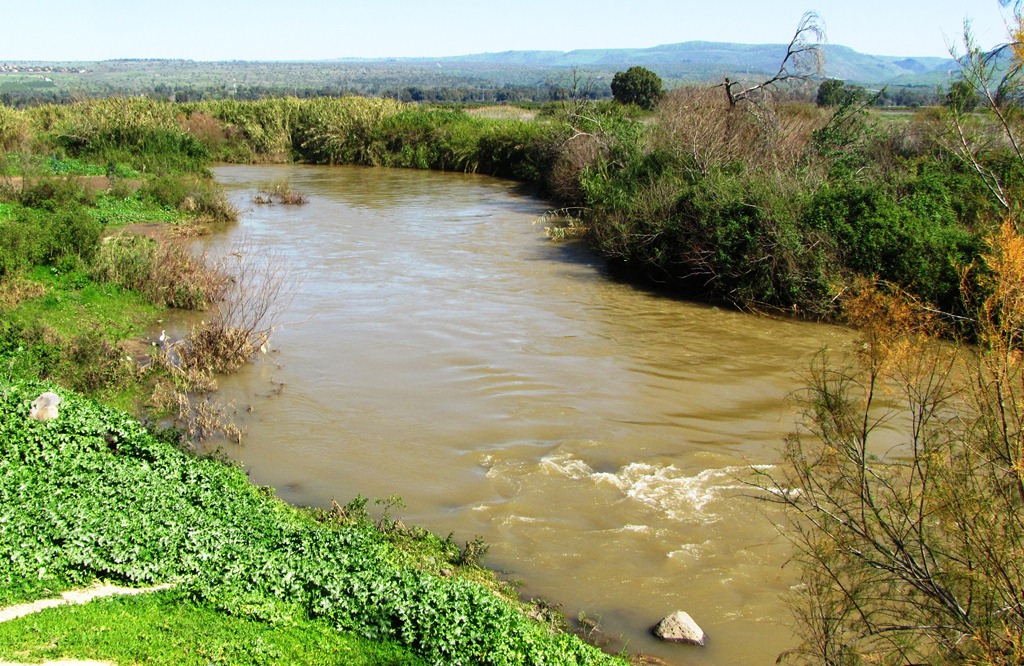
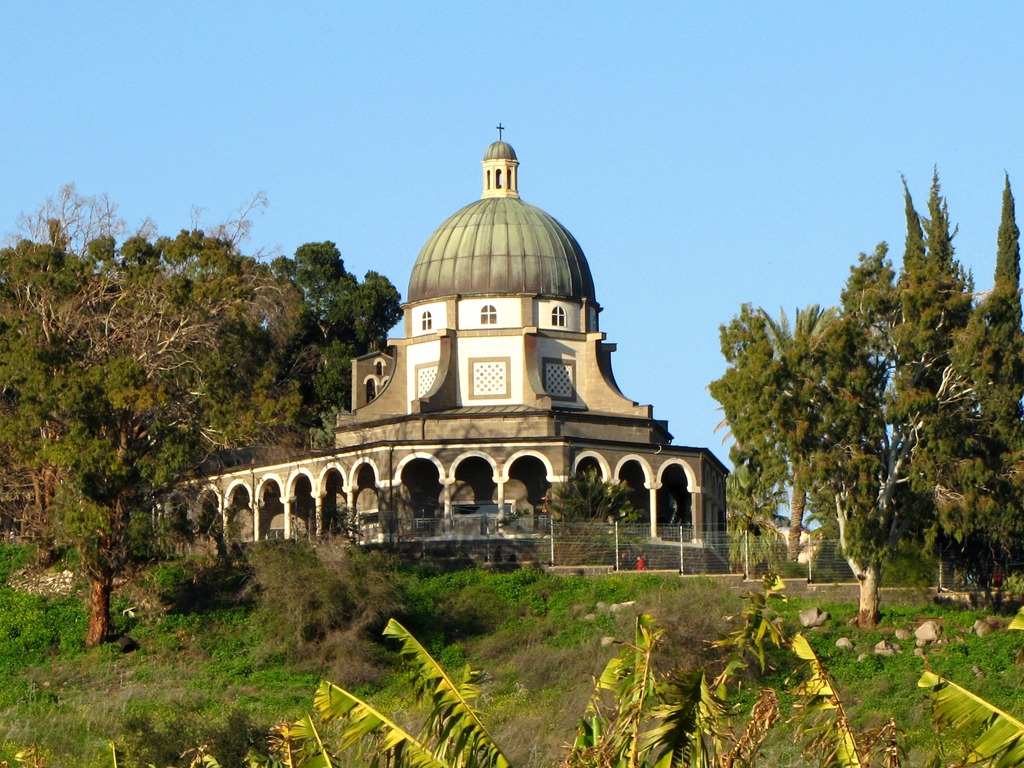
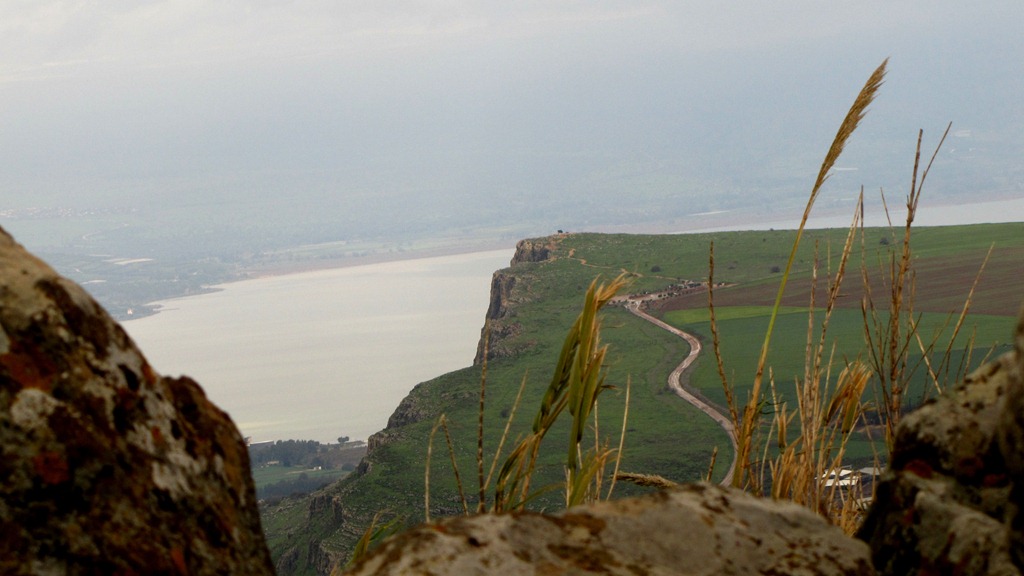
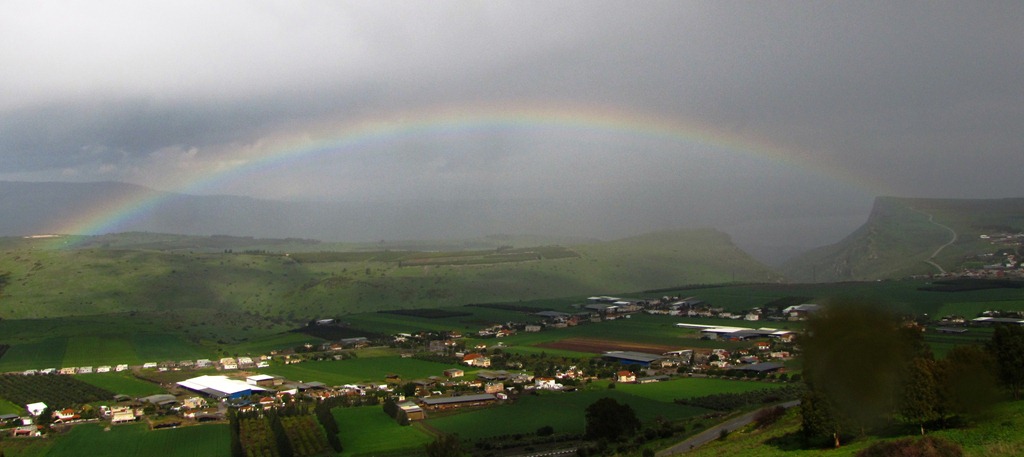
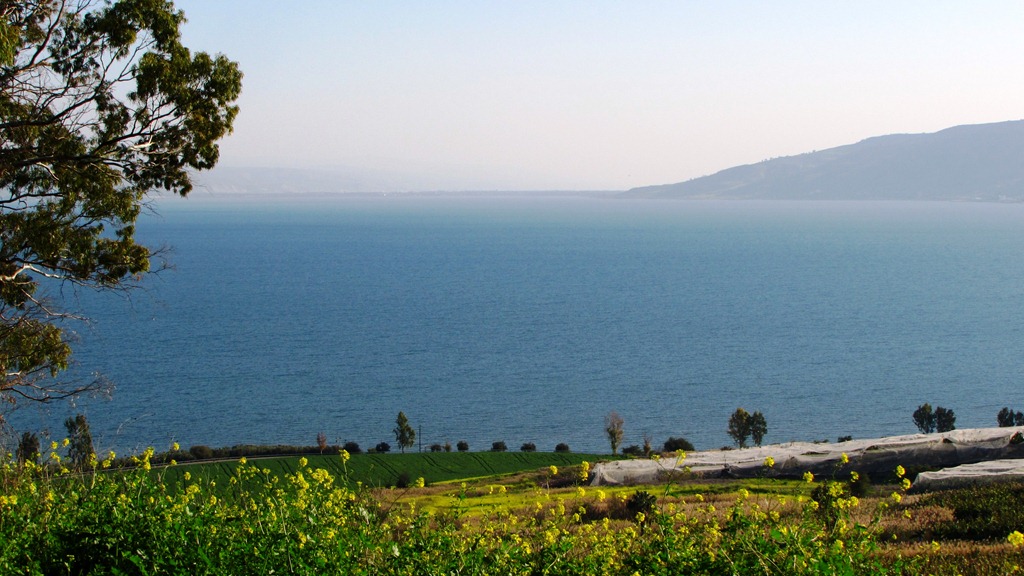
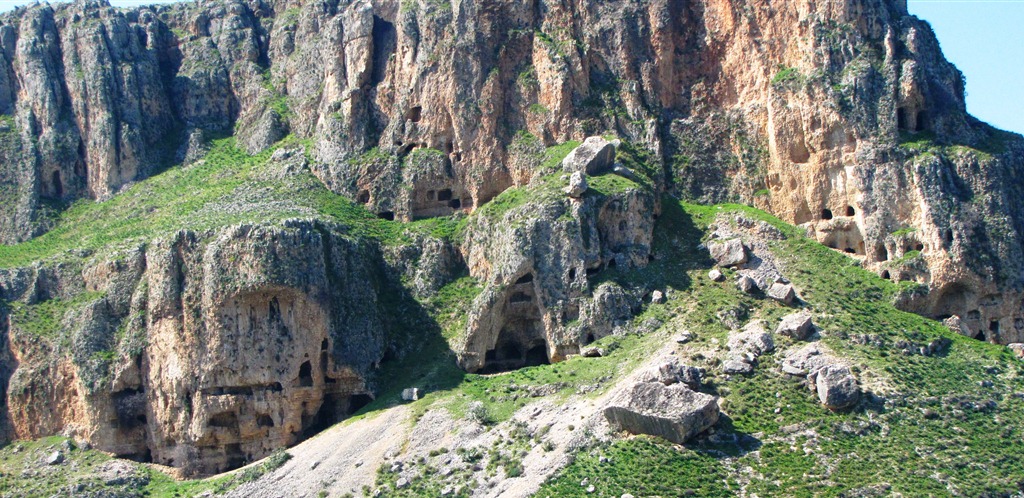
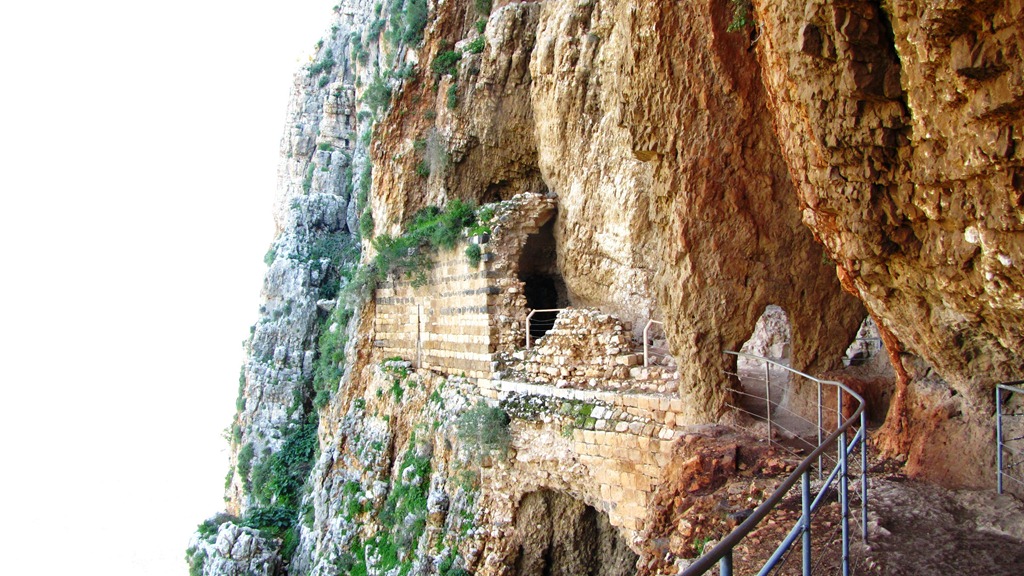
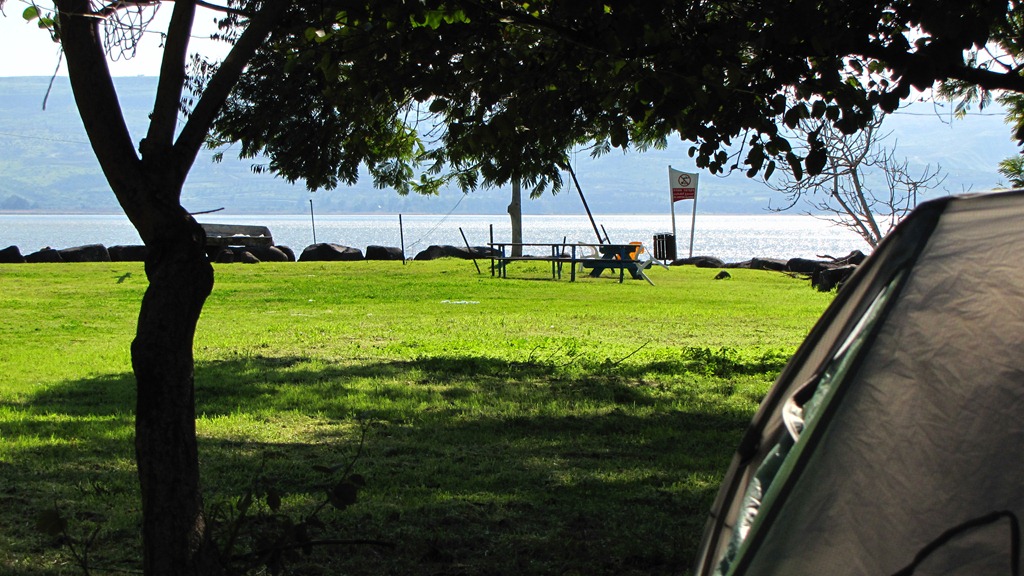
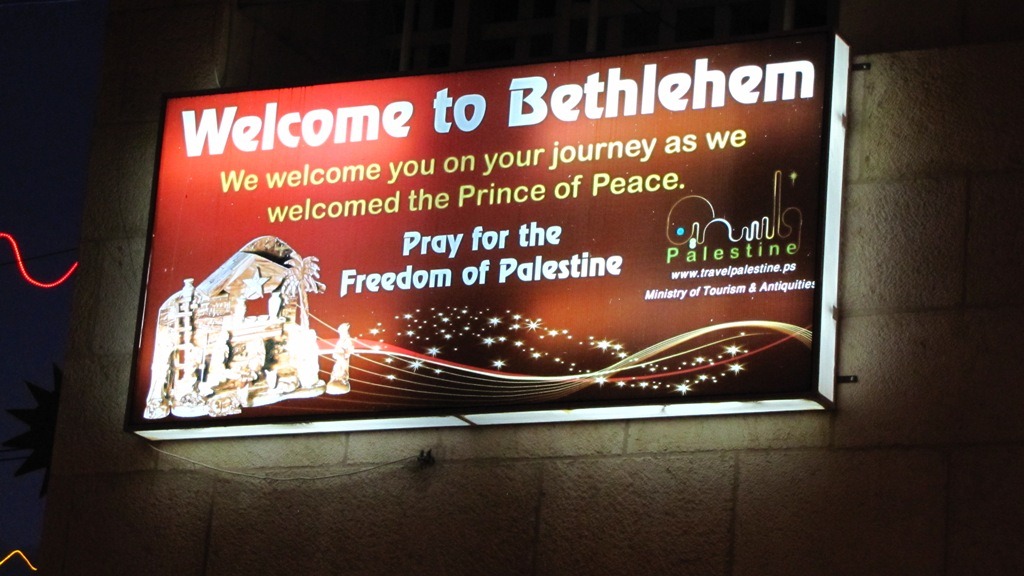
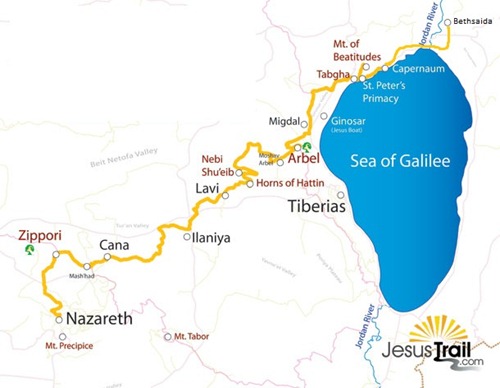 The Sea of Galilee is a lake, not much larger than Cheney back home (though prettier). In fact, the scenery surrounding the lake is gorgeous (no comparison to Cheney).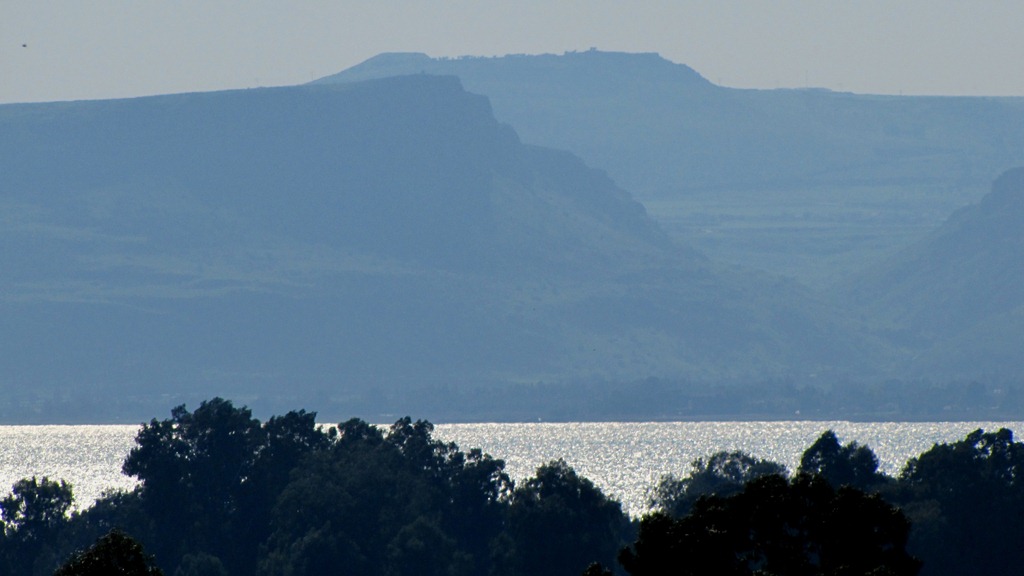





















 and thought it was good, I recommend it. Always love hearing stories of God working in the lives of others.

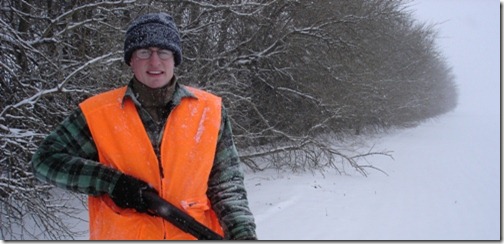
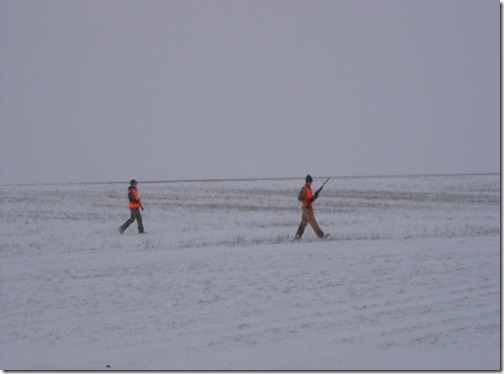 Kansas Bird Hunting
 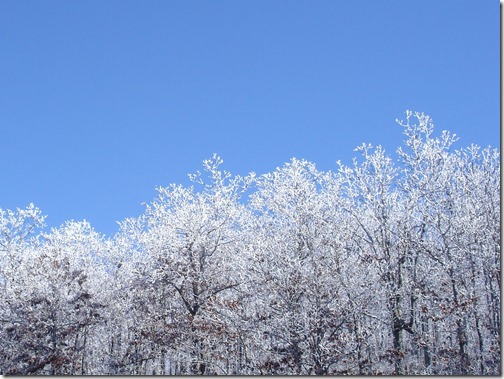 Icy Trees Along the Talimena Scenic Drive
 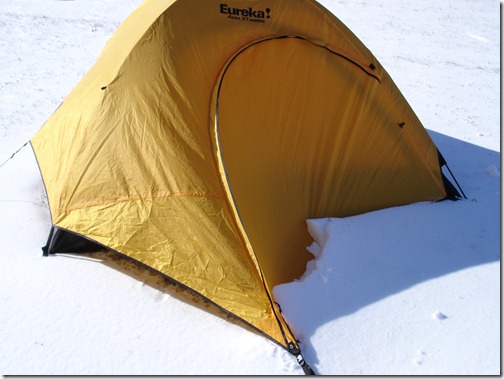 Cold Weather Camping (in the backyard)
 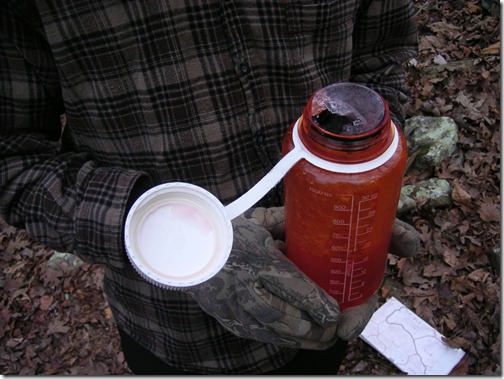 Another Very Cold Campout
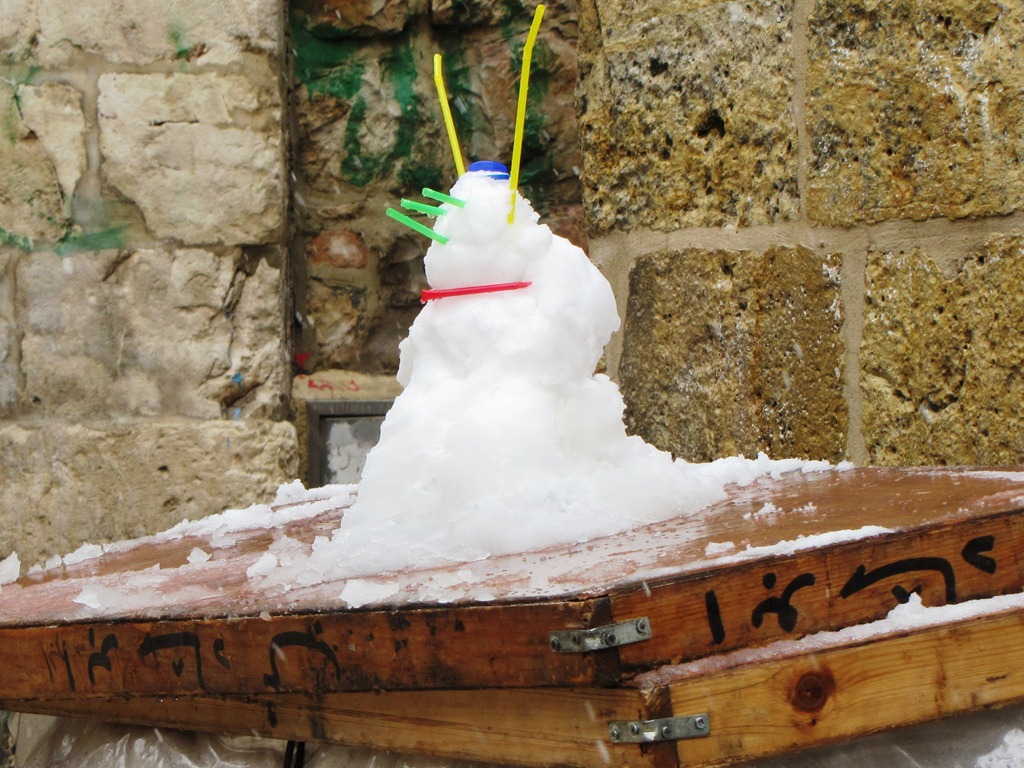
 The Abominable Snowman Revealed (on the right)
 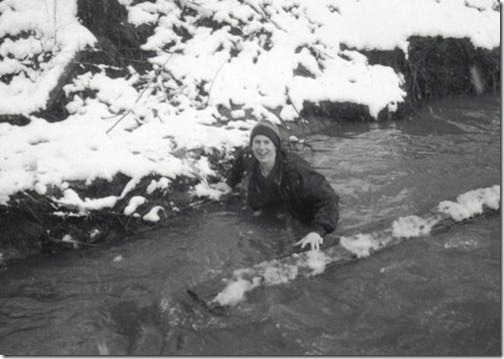 Cold Weather Swimming. Do I Look Cold?
  I Was Colder Here.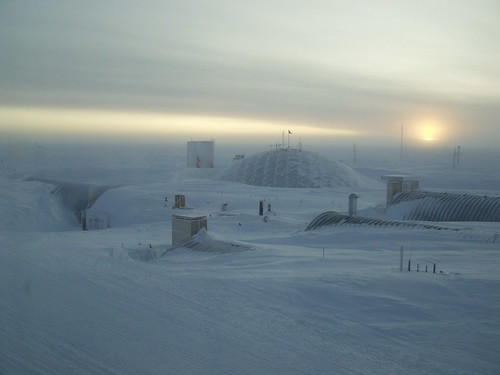

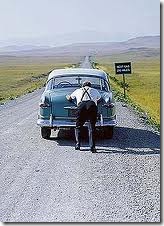 Pushing my car out of its’ stall, I lined it up pointing toward an open stretch of parking lot. I’ve done this before and you have to get it going faster than you think.
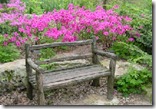 I like to stroll around, then find a cozy place to sit and read a book. Unfortunately, what their benches gain in rustic ambience they lose in ergonomic comfort.
 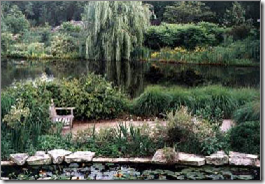 . The other night I spent some time there, leaning up against a tree in the shade, absorbing the bright pastels of blooming flora, hearing the song of a happily chirping bird above, and smelling the pungent aromas of budding plants mixed with cedar mulch.
  Then my eyes shifted to the silent brook, it’s glass-like surface symmetrically reflecting the stately oaks above. What about that? Is beauty also tied to symmetry? The flowers were symmetrical too.
  I heard recently (forget where) a guy say that books didn’t impact him, but sentences did. Guess he was right, because that sentence stuck with me, though nothing else he said did. Not even his name, so he could get the credit.
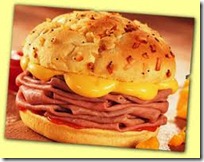 I don’t eat Arby’s much. Not that I don’t like it, I do. It’s just that I’ve found it’s hard to get out of there without spending an arm and a leg. I think their marketing department intentionally devises schemes to reel people in and sock ’em with exorbitant prices when they aren’t looking.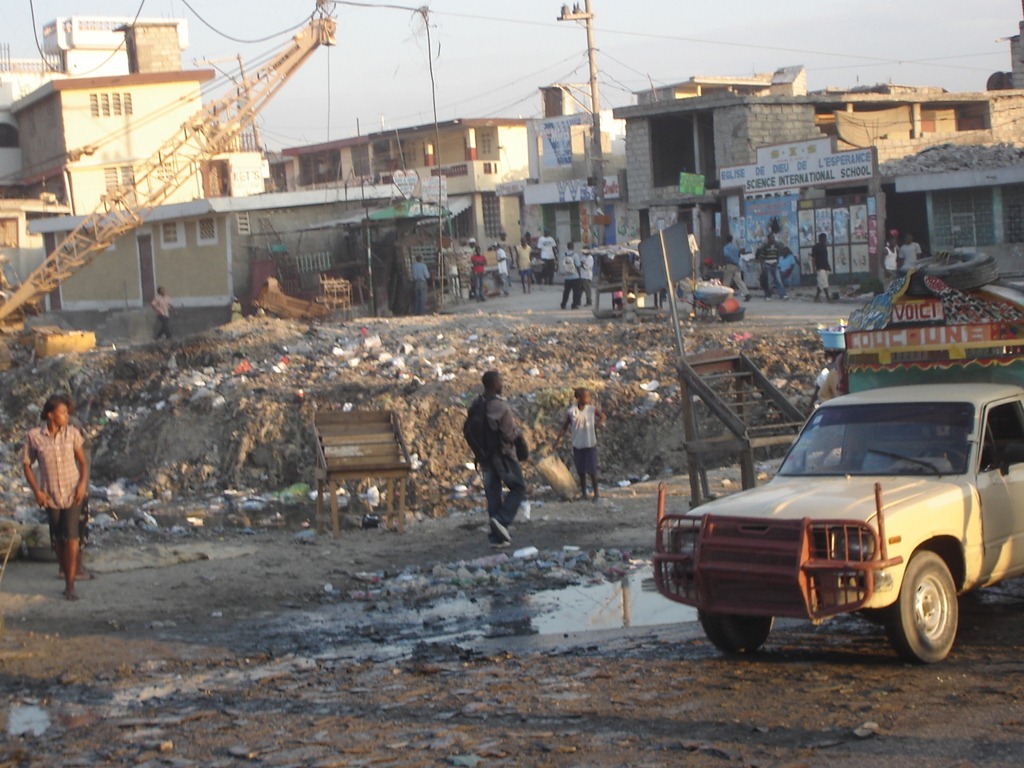
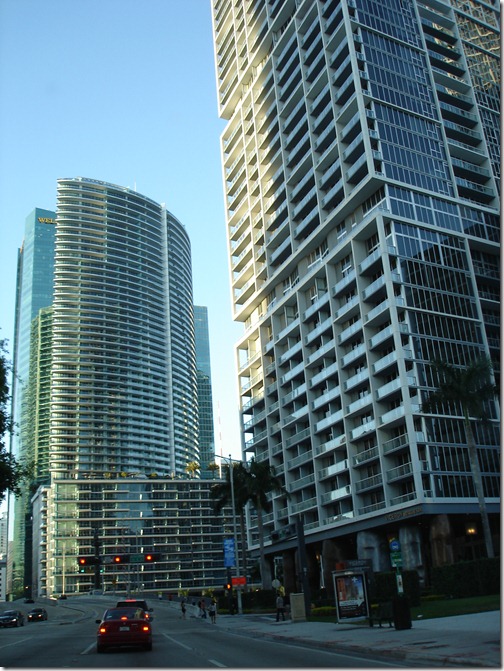
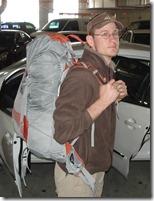 No matter how hard I try to pack light, I always over pack. I used my recent 10 day trip to Haiti and Florida as a packing test for a longer trip.
  Adventures in Missions (AIM) has contacts with 650 churches in Haiti. That’s a lot of contacts!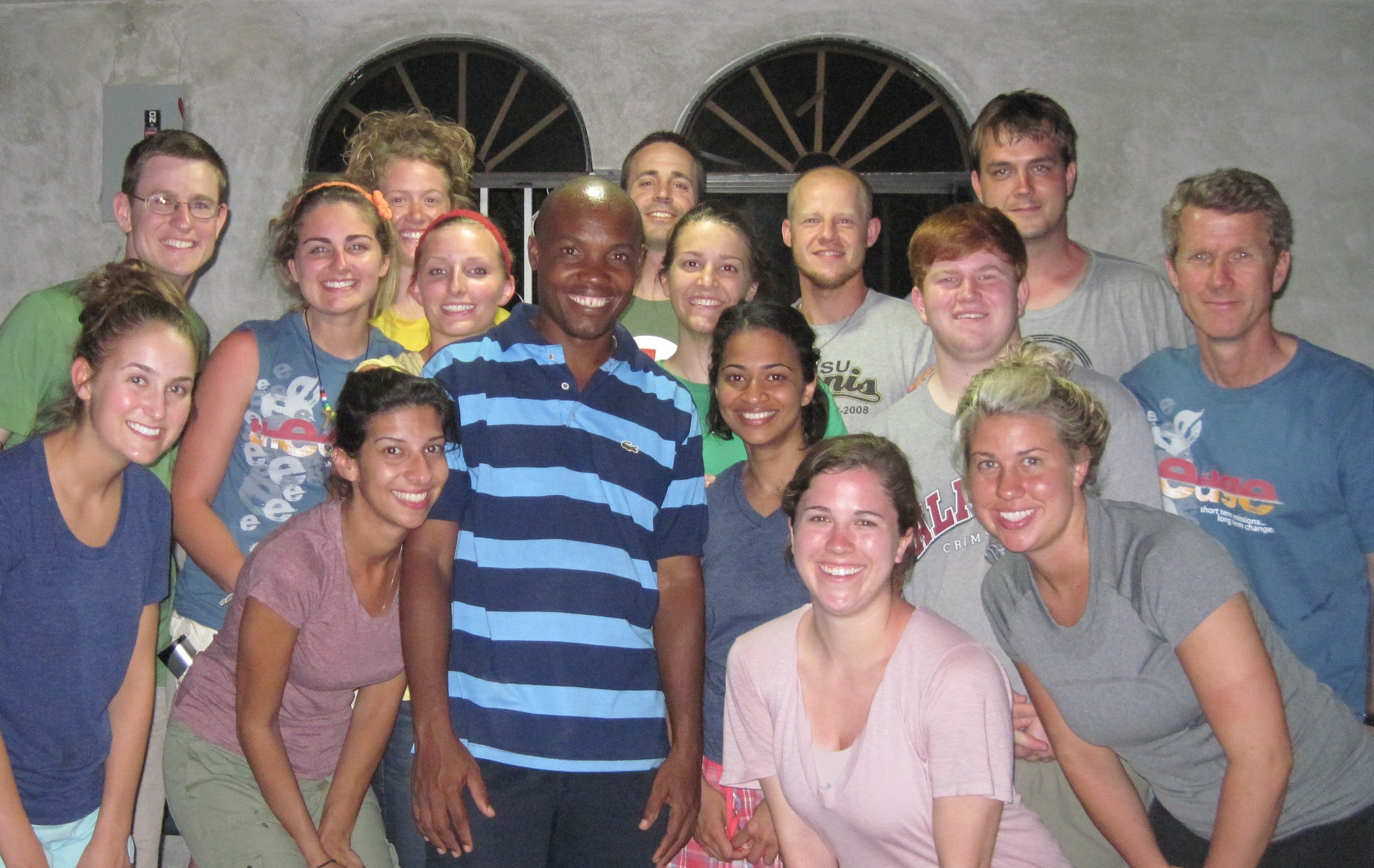







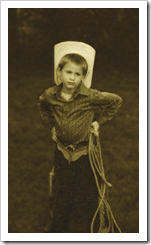 Back when I was six, I was into Cowboys. In particular: BEING a Cowboy. Every day was spent outside riding my bicycle (i.e. Mustang Steed) in the backyard (the Bar-K Ranch) lounging in our wooden playhouse (Davy Crockett’s Alamo) climbing trees (Watchtowers) and lassoing neighborhood alley cats (Rogue Steers).
  Spinach greens, red peppers, green peppers – for a salad. That’s what my friend Keith brought last night when he came by for supper. I added cheese and pulled out several dressings from the fridge.

 by Rick and Jan Hess.
 As you enjoy time with your own families this Christmas, and as you sit on the hearth sipping a cup of hot chocolate next to a warm, crackling fire enjoying a good book, here’s something else to add to the ambience:
 / played by Nick)
 Do you enjoy driving around this time of year admiring Christmas lights people put up on their homes?
  Have you seen the show, "The Biggest Loser?" It’s clever. It takes grossly overweight individuals and puts them in a contest to see who can lose the most weight by body percent. The title is a misnomer, as the biggest loser is in fact the biggest winner: he gets $250,000, fame, and loses enough weight to be considered healthy again.


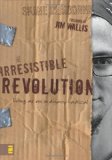
 by Shane Claiborne challenges nearly every aspect of American "churchianity."
  e-mail or the internet. This capability we have to remotely stay in touch is perhaps stretching us further emotionally than we were designed to be stretched.
  When I text around others, my actions shout loud and clear, "I’m with you physically because I have to be, but I’m with them mentally because I want to be."

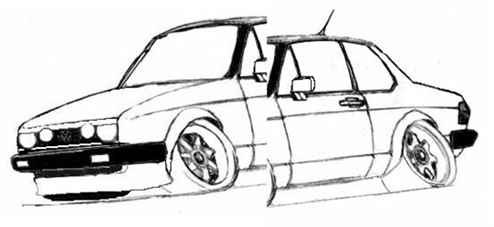

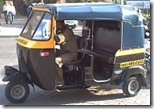 "Then why can’t you go fast? Cars there not GO this fast?" The three wheeled auto-rickshaws I’ve seen pictures of aren’t overly inspiring.
 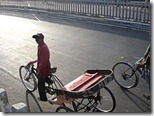 Wow. But keep in mind automobile penetration is fairly low in India. Only 13 million cars there between 1 billion people. In comparison, America has some 240 million cars for a third the population. Of course, no telling how many motor scooters and auto-rickshaws are in India!
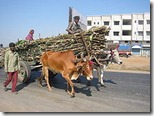 application: What do we have in our own lives that’s slowing us down? As believers, we are called to walk a narrow path. At the best of times it can seem slow and uphill, but we have this tendency to gather baggage that drags us down to a crawl… even causing us to backslide at times.
 Control. What would happen if I let go? Removed every crutch?
 Was running late to work the other morning. Empty on gasoline. Stopped at QuickTrip. Filled the Jeep. Was ready to leave when a guy comes over to my car. Had a story: Low on gas, wife wouldn’t give him any money, etc. Could he have $10?
 One of the cool things about playing an instrument is the unique outlet it provides for worship. Sometimes I am able to express best the way I feel towards God while playing the piano. But never fear those who don’t play an instrument because…! singing is another way we can express ourselves: And everyone can sing!
 A shortage of time has become a problem for me in attempting to maintain all the relationships and responsibilities in my life. I imagine you face the same problem! In order to create more space, here are 10 things I’ve tried, more or less successfully: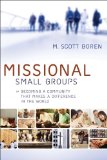



 , Scott Bessenecker writes:
 And keep them paying.”
  Traveling light. The very phrase conjures images of camel-laden nomads crossing the Sahara, an Alpinist scaling Mt. Kilimanjaro, or (slightly less romantic), a homeless man walking down Main Street.
 For example… one time my Dad, Brothers, and I traveled to Minnesota and canoed on the Boundary Waters. I decided since the canoes were carrying my luggage (rather than my back), I could afford some extra luxuries, right? Wrong, because I didn’t take into account lengthy portages! Baggage became a literal burden on that trip.
 Could we do without musical niceties such as offertories, special numbers, and five member bands?
  )
)
 How about the New Testament? Now hear me out! I’m not saying God’s Word is dispensable, it isn’t. But I would like to point out that if we’re going down to the minimum, early churches did not have a complete copy of the New Testament. Remember, the Gospel was initially shared verbally. Jesus himself did not write anything down, nor did he instruct others to do so.
 When we aren’t literally faced with the stark reality of a starving child on our doorstep, we easily rationalize extravagances such as spending $700 on upgrading our Jeep (like I just did), buying new books on Amazon rather than checking out used ones from the library (something I do), or eating expensively and unhealthily when we could easily do otherwise (me again). All this rather than store up for ourselves treasure in heaven. All this rather than help people who have nothing, not even hope.

 by Ernest Loosley. At only 77 pages, it was a quick read. Not a new work, (written in 1935) I still found it applicable.




 I attended our annual AWANA awards banquet last Sunday. Many young people were recognized, but one young girl in particular stood out to me. In case you’re unfamiliar with AWANA, it’s a fun program for youth offered in many churches and has a heavy emphasis on Bible memorization. But back to our young heroine, Emily. Over the course of this past year Emily has completed several AWANA books which represent a significant amount of Bible study and scripture memorization.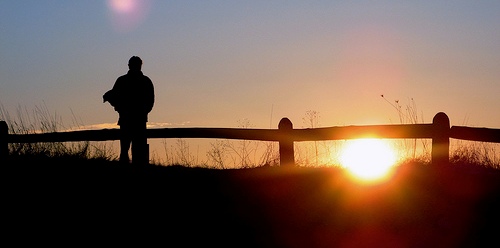
 The title of this post may sound wierd: “Who are the Church?” What kind of grammar is that??!
 A question I’ve had recently is, “Were Paul’s letters written to me or others?” I’ve wondered, “Am I reading someone else’s mail or are Paul’s writings general information relevant to all believers?”
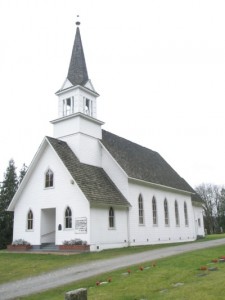 Recently there has been discussion among my friends as to what makes a Christian gathering an official “church meeting.” What makes a church, church?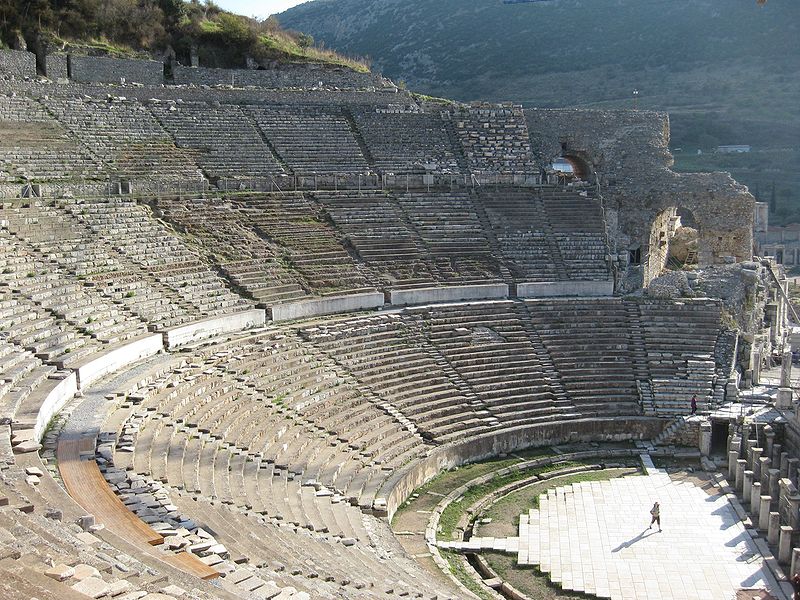

 Three months have passed
  I am officially without internet at my apartment now. I called COX Saturday and had them cancel my account. The representative asked me why. I tried to dismiss it with a nonchalant, “Well, you know, I have access other places.”


 Lesson 7 from Matthew 6:1-6, 16-18
 is primarily about Jim Daly’s young life. It’s not until pg. 173 he even turns thirteen years old. However, he sure went through the ringer as a kid!

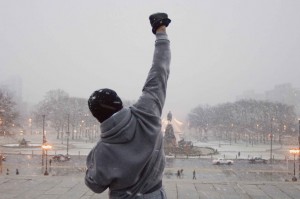 So this isn’t an overly religous quote, but it spoke to me:


 by Francis Chan. In fact, I read it twice. Chan defined who this book was written for in his Preface:


 Some of my students are very difficult to deal with (er… instruct).